Triangle housing market cools, giving Wake County buyers more leverage
Wake County listings climbed to 6,803 in June, and buyers are now getting closing-cost help and other concessions more often than in the bidding-war years.
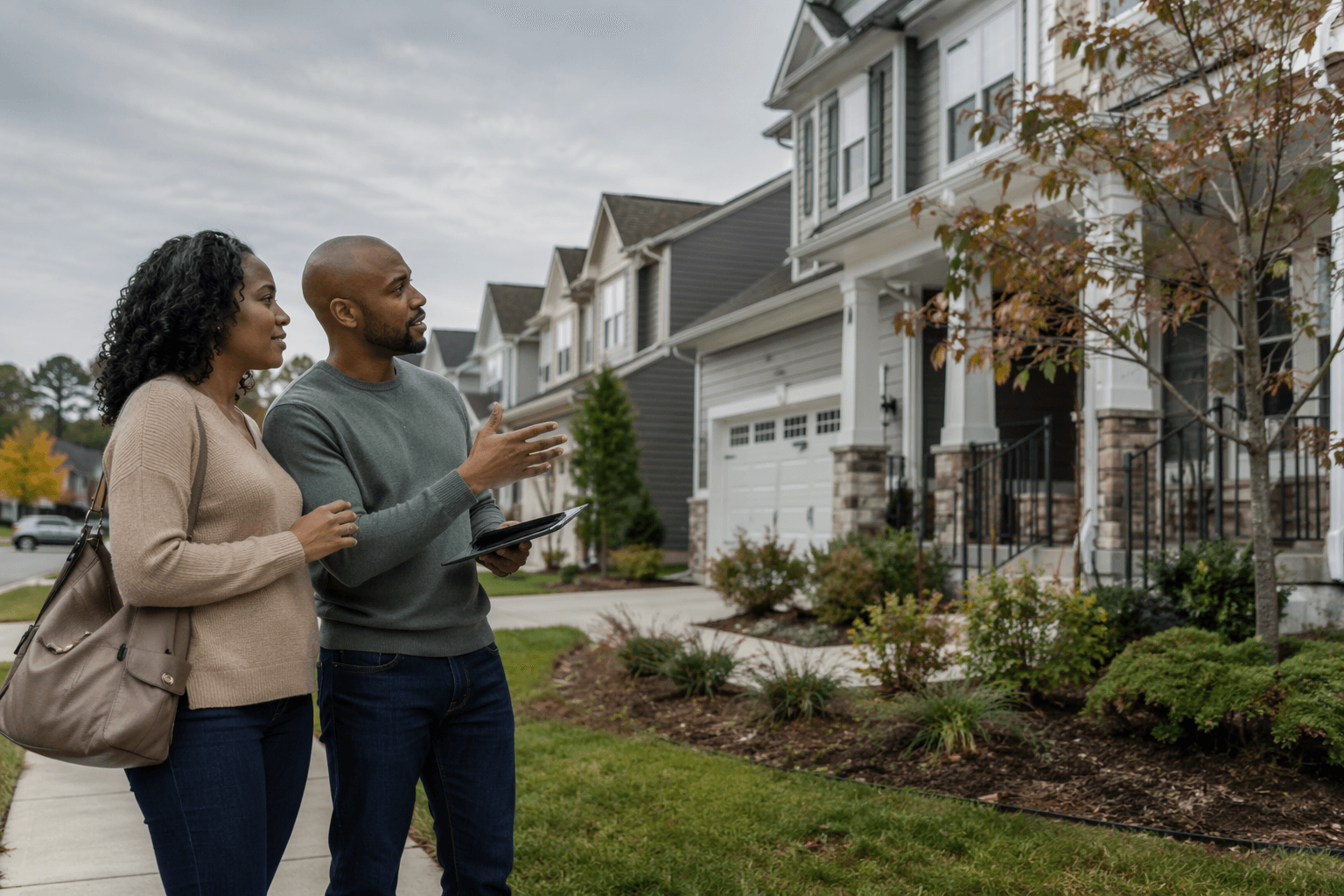
Wake County homes reached 6,803 total listings in June 2026, and the market has slowed enough that buyers are again asking for help with closing costs, blinds, refrigerators and other concessions. Prices are finally leveling out, giving shoppers more leverage than they have had in recent years.
Federal Reserve Bank of St. Louis data tied to Realtor.com put Wake County at 4,025 active listings in May 2026, and the county’s median days on market rose to 48 in June 2026. On March 19, ABC11 put Raleigh homes at an average 68 days on market, ranking the city third nationally for the largest increase in days on market. Sales in the Raleigh area were down 3.7% year over year even as prices were still up 2%.

Wake County’s population was estimated at 1,257,235 on July 1, 2025, up 11.3% since the 2020 Census, and the county had 543,103 housing units, with a median owner-occupied home value of $461,300 in Census estimates. The Triangle’s pace is less frenzied than during the post-pandemic surge, when buyers often waived concessions and competed in bidding wars.
The National Association of Realtors listed Raleigh among the clearest opportunity markets of 2026, with 50% of sales carrying price cuts as of October 2025. Zillow’s June 2026 Raleigh snapshot showed a median sale price of $432,083 and a sale-to-list ratio of 0.989, while 58.6% of sales in May 2026 closed under list price.
Builders are the most flexible sellers. In new construction, where inventory can pile up more quickly, buyers are better positioned to ask for closing-cost assistance or upgrades that were much harder to get when supply was tighter.
On April 30, ABC11 put Wake County’s need at up to 230,000 new homes by 2035, and Raleigh’s population grew by about 32,000 from 2020 to 2024.
This article was produced by Prism’s automated news system from verified source data, official records, and press releases, then run through automated quality and moderation checks before publishing. The system is built and supervised by the people who set the standards it runs under. Read our full AI policy.
Did this article answer your question?