Wake County approves first 10-year farmland preservation plan
Wake County’s new farmland plan targets land under pressure from Raleigh, Knightdale and Wendell, with easements, funding and a lower state match among its tools.

Wake County took its first formal step toward a countywide farmland preservation strategy when commissioners approved a 10-year plan on June 17. The plan is meant to do more than celebrate agriculture: it is supposed to steer land-use policy, conservation spending and program design as development keeps pushing across the county.
The stakes are clear in the county’s own numbers. Wake County said it has lost more than 36,000 acres of farmland over the last decade, a drop larger than the combined size of Knightdale and Fuquay-Varina. Earlier county materials said Wake had roughly 91,000 acres of active agricultural land, while a 2025 public-input release said 342 acres and six farms had already been permanently protected since the 2022 ordinance.
County officials said the new plan will help identify which land should be prioritized, where natural areas overlap with productive farms, and what partnerships and funding tools are needed to slow the loss. That makes the document a map of vulnerability as much as a preservation strategy, with pressure rising around fast-growing areas such as Raleigh, Wendell and the edges of Marks Creek where farmland still competes with subdivisions, roads and utility corridors.
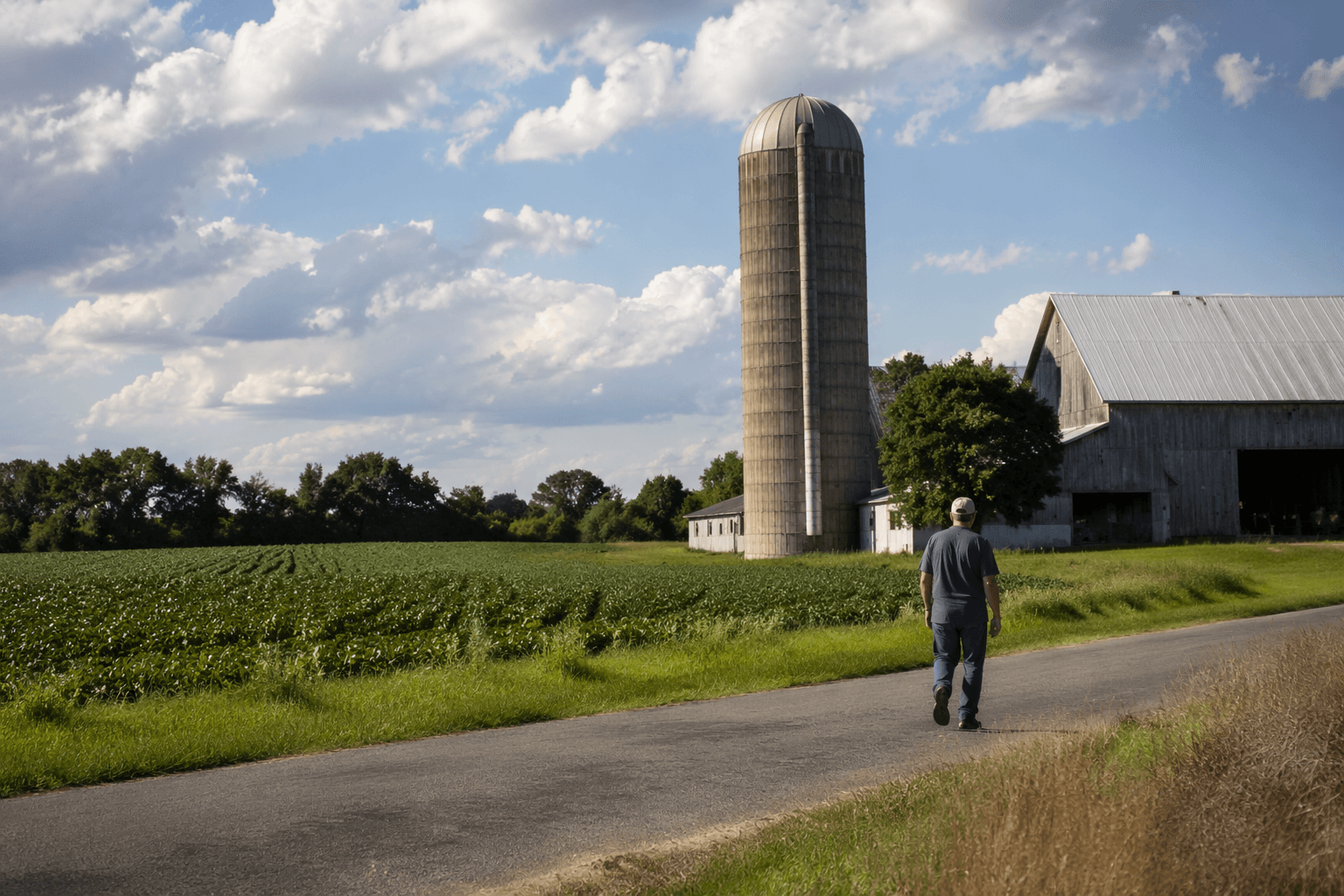
The plan also gives county leaders a more concrete playbook. Wake County said it will collect feedback from residents, landowners and other stakeholders, map important farmland and natural areas, set preservation priorities and recommend ways to strengthen support for farming. The county’s farmland preservation program, run through the Wake County Soil & Water Conservation District with board support, already includes the Voluntary Agricultural District program, Enhanced Voluntary Agricultural District options and Agricultural Conservation Easement protections.
Funding may matter as much as policy. Wake County said a dedicated funding source created in 2023 has already helped secure more than $20 million in conservation value, supporting agricultural conservation easements that have protected more than 407 acres across seven farms. Officials said the new plan could also improve Wake’s standing when it seeks state conservation money by cutting the local match requirement from 30 percent to 15 percent.
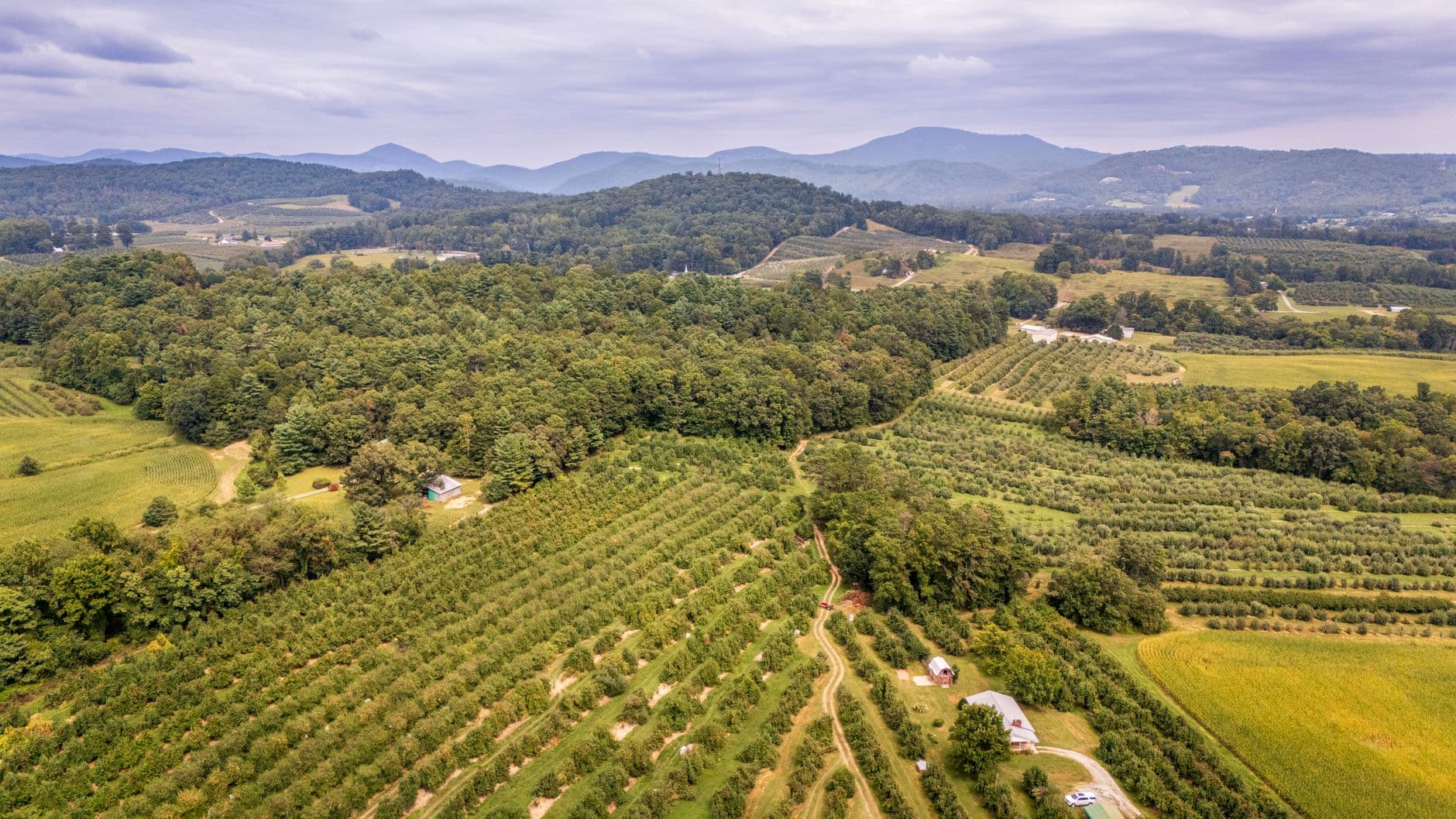
State officials have flagged the urgency beyond Wake County. North Carolina agriculture leaders say the state is projected to lose 1.2 million acres of farmland by 2040, and Wake ranks 32nd nationally in projected farmland loss. Commissioner Steve Troxler presented Wake County with the Friend of Farmland Award in 2024 for preservation work that had already protected 238 acres, a sign that the county has built momentum even as land values and development pressure rise.
Wake County’s broader conservation goal is to protect 1,000 acres of green space, parks, greenways, farmland and forests by 2029. The new plan gives county leaders a framework to pursue that goal, but the real test will be whether the county can match its ambitions with enough money, targets and land protection to keep working farms in business.
This article was produced by Prism’s automated news system from verified source data, official records, and press releases, then run through automated quality and moderation checks before publishing. The system is built and supervised by the people who set the standards it runs under. Read our full AI policy.
Did this article answer your question?