Wake County Board Limits Student Social Media, Tightens Campus Connectivity
The Wake County school board approved changes to its Technology Responsible Use policy on December 15, restricting student access to social media on district issued devices unless a teacher authorizes it, and narrowing who may use school wifi and hotspots. The move aims to comply with new state law and to protect student data, but it raises concerns about enforcement, equity, and access for families who rely on district technology.
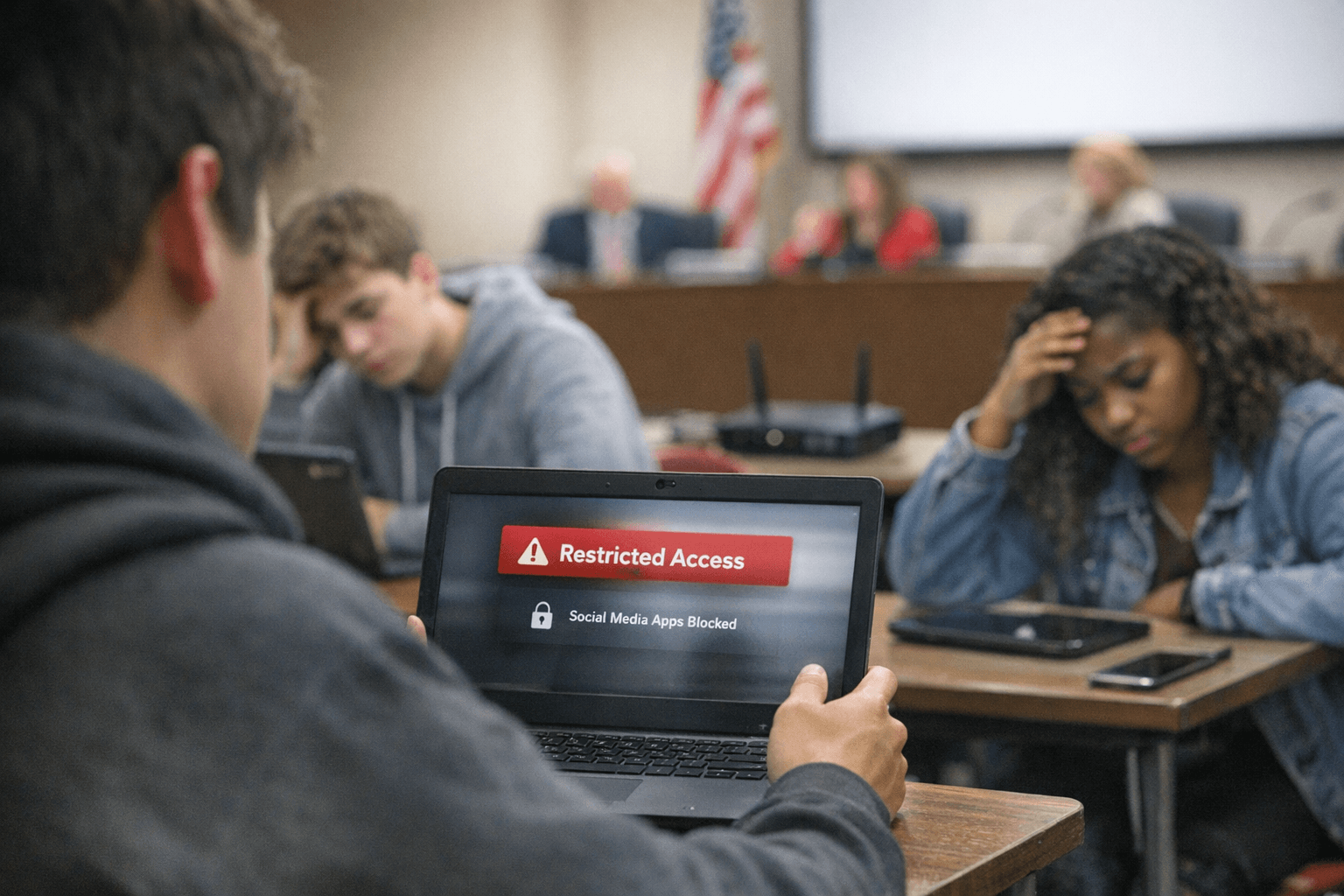
The Wake County school board voted December 15 to tighten rules around student internet and device use, prohibiting students from accessing social media on district issued devices unless a teacher explicitly authorizes the access for academic purposes. The same policy revision restricts use of school wifi and school hotspots to students and staff who need them for academic work, and bans private hotspots on campus. A separate change to the district Internet Safety policy bars access to websites that do not protect student data.
The social media limits respond to requirements in House Bill 959, which also includes provisions on cellphone use. Most of the bill's requirements take effect January 1, but the board enacted these local policy changes during the meeting after waiving the usual requirement for a second vote. Board leaders signaled they are open to adjustments later, and some members voiced slight concern about the pace of the vote.
The policy language expands the range of possible consequences for violations, noting that depending on the offense and applicable laws, behavior could result in disciplinary action or criminal prosecution. Parents and guardians are already required to consent to district monitoring of student internet and technology usage. The approved policy applies to district issued devices when it comes to social media access, while wifi and hotspot restrictions cover broader campus connectivity.
For families and educators in Wake County the changes have immediate practical implications. Many students depend on district devices or school provided internet to complete homework, access remote tutoring, or connect with health and mental health resources. Limiting social media and campus wifi without clear enforcement procedures risks widening the digital divide for households that lack reliable broadband. The policy does not specify how the district will prevent students from using mobile data to access blocked sites, though district leaders previously suggested cellphone rules could reduce that pathway.
Public health and equity concerns include potential barriers to telehealth and school based mental health support that rely on online access, and the risk that punitive enforcement could disproportionately affect students from marginalized communities. Procedures that the district typically compiles after a policy passes will determine day to day enforcement and any accommodations for students without home internet. As the new rules move into effect, the district faces pressure to publish clear procedures, ensure equitable access to learning, and protect student privacy while implementing the state mandated changes.
This article was produced by Prism’s automated news system from verified source data, official records, and press releases, then run through automated quality and moderation checks before publishing. The system is built and supervised by the people who set the standards it runs under. Read our full AI policy.
Did this article answer your question?