Wake County Drivers Weigh Switching to Electric and Hybrid Cars
As the year ends, more Triangle buyers are considering hybrid and electric vehicles, but changing federal incentives and evolving dealership offers mean savings are not guaranteed. Local data show growing adoption, yet range concerns, charging access, and upfront costs will determine whether 2026 is the right time to switch for Wake County households.
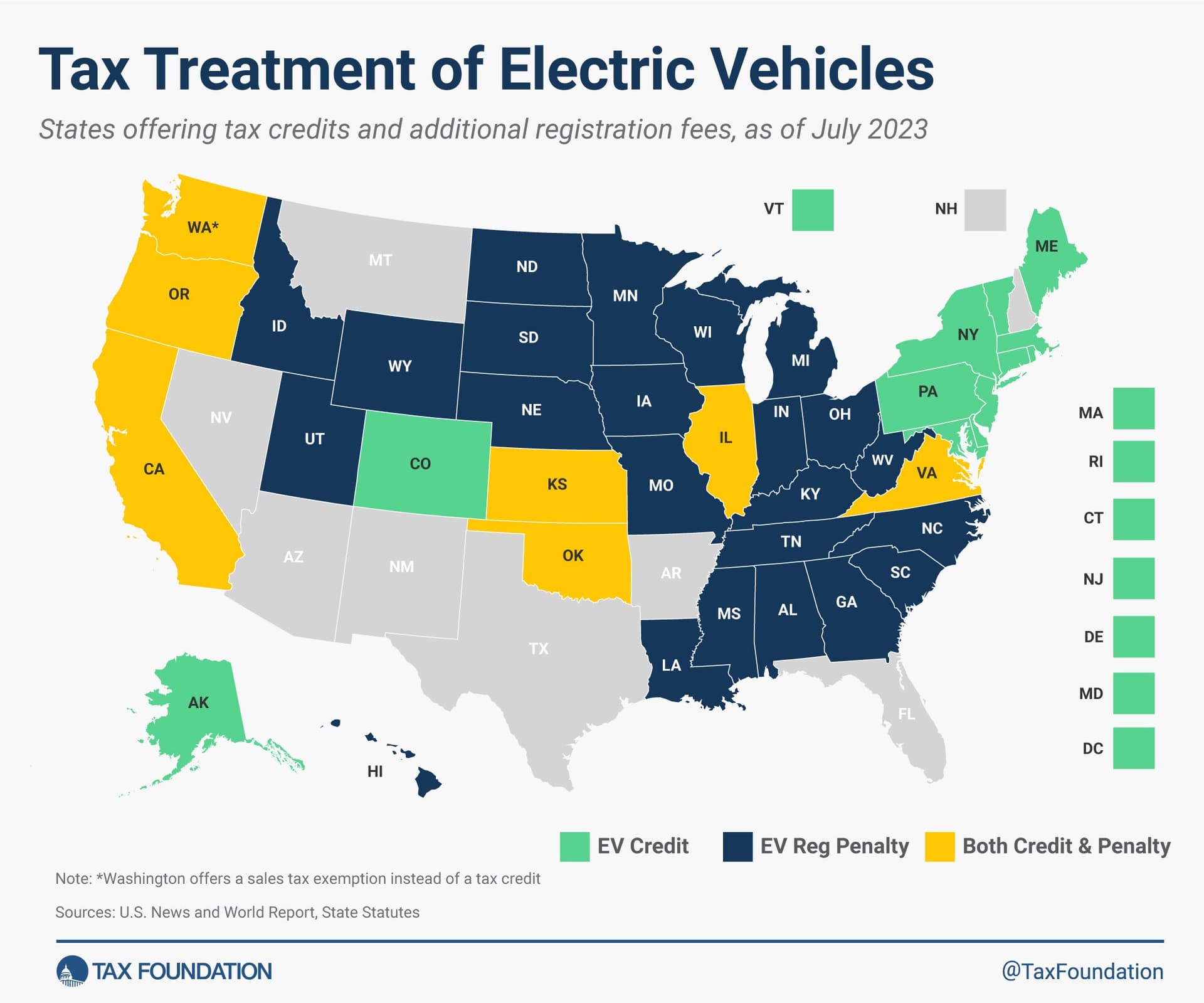
As car buyers prepare for 2026 purchases, the market for hybrid and fully electric vehicles is shifting in ways that matter locally. The Raleigh Durham market recorded about 18.8 percent of new registrations as hybrids and about 9 percent as battery electric vehicles this year, indicating rising consumer interest. At the same time, recent changes to federal incentives and ongoing industry pressures mean that the effective cost of switching can vary substantially from one buyer to the next.
End of year is typically the busiest sales period, and dealerships often layer time limited offers on top of incentives. That dynamic can create opportunities for some shoppers, but it also comes amid reworked tax credit rules that affect eligibility and the dollar value households can claim. For Wake County residents, the arithmetic of ownership is therefore more complex than comparing sticker prices.
Practical trade offs remain central. Hybrids generally lower fuel spending without requiring charging, while fully electric vehicles eliminate gasoline costs but shift expenses to electricity and charging access. Range anxiety continues to influence buying patterns in suburban and rural parts of the county where home charging or workplace charging is not always available. Local charging programs have expanded, and some dealerships are adapting promotions as market forces change, yet public fast chargers remain concentrated along major corridors rather than evenly distributed across neighborhoods.
Total cost of ownership matters. Higher upfront prices for many electric models can be offset over time by lower maintenance and fuel costs, but the break even period depends on driving habits, local electricity rates, and how long owners keep their vehicles. For households that rely on a single shared charger or street parking, the convenience and cost math can shift against buying an electric vehicle.

For shoppers considering 2026 purchases verify eligibility for any federal or state incentives before negotiating, compare realistic daily range against routine trips, assess charging options at home and work, and factor in likely resale values and maintenance savings. Watch for end of year offers but treat them as one component of a broader total cost analysis.
Longer term, adoption in the Triangle suggests steady demand that will support more local charging investment and dealer stocking of electric models. For Wake County families the right timing will depend on individual travel patterns, access to charging, and how federal policies evolve in the months ahead.
This article was produced by Prism’s automated news system from verified source data, official records, and press releases, then run through automated quality and moderation checks before publishing. The system is built and supervised by the people who set the standards it runs under. Read our full AI policy.
Did this article answer your question?

