Wake County ends Bryant Center contract for Raleigh shelter operation
Wake County cut The Bryant Center off from Second Street Place after payroll and other operational concerns surfaced, leaving a key downtown Raleigh shelter in transition.
Wake County moved to sever ties with The Bryant Center after county leaders said they learned of concerning operational practices at Second Street Place, the downtown Raleigh shelter meant to serve people without housing in the urban core.
The county said it sent notice on March 23 to terminate the agreement, and the contract is set to end April 23. That decision came after Wake County had announced in June 2025 that The Bryant Center would operate the shelter, which is part of the county’s low-barrier shelter network.
A former Bryant Center employee, Robin Uhl, told CBS 17 Investigates that she was laid off on March 10 and said payroll problems were part of the operation’s troubles. Uhl said paychecks were “almost always late,” and said they were sometimes two weeks late. Wake County said it was recently made aware of concerns about how the shelter was being run and acted to end the agreement.
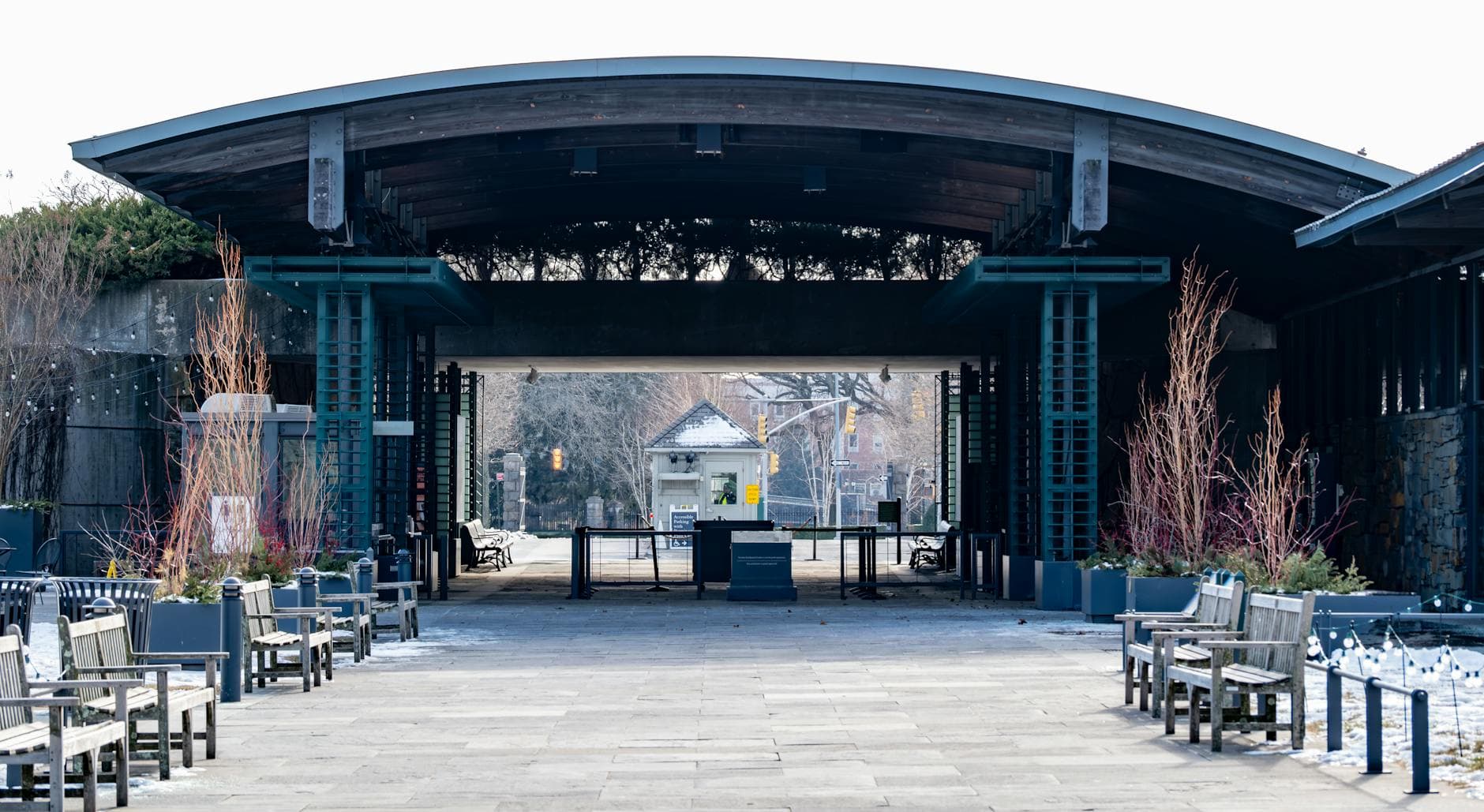
The termination matters far beyond the contract itself. Second Street Place is one of the county’s shelter resources for people facing homelessness in Raleigh, and any disruption raises immediate questions about staffing, daily management and continuity of services while renovations continue. For people who rely on the site, the county action signals a change in oversight at a moment when shelter space remains tight across Wake County.
That pressure is not new. A Wake County-commissioned study presented to county commissioners found the county needed hundreds of additional shelter beds. The study also pointed to the need for a permanent drop-in shelter, more daytime shelter and services, and shelters with private spaces for families. In that context, the loss of an operator at Second Street Place is more than an administrative reset. It affects a system already described as short on room and stretched by demand.
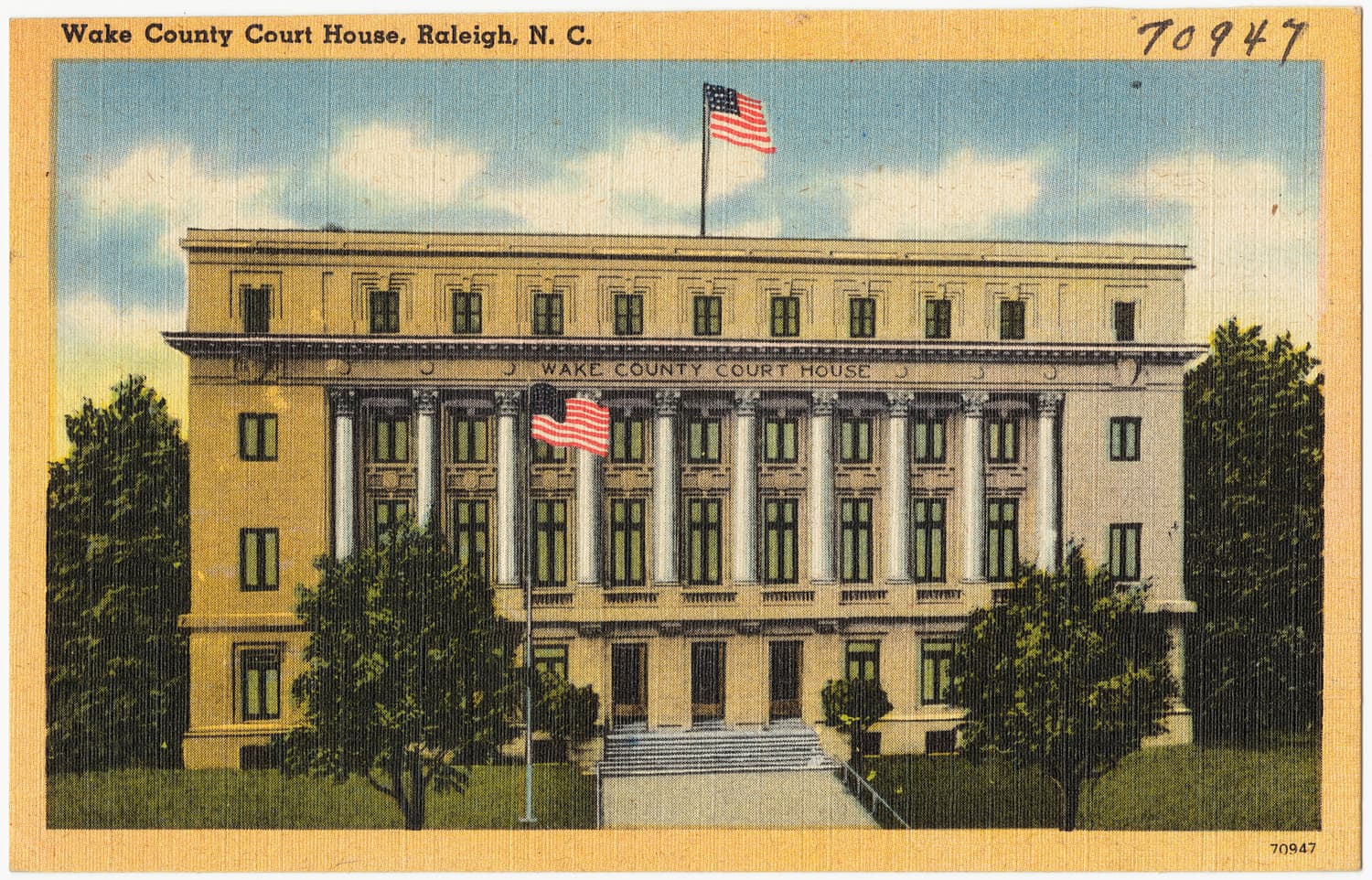
Winter coverage has underscored that strain. Wake County’s white-flag shelters, which open when temperatures fall below 35 degrees, have been described as filling up or operating at capacity on cold nights, including at Second Street resources. That history makes the county’s decision especially consequential for the people who turn to downtown Raleigh shelters first when the weather turns or regular options run out.
Wake County did not publicly spell out every internal problem, but its move to issue termination notice and set a firm end date suggests leaders believed the operational breakdown was serious enough to require a swift handoff. What happens next at Second Street Place will shape how well the county can absorb another stress point in a shelter system already under pressure.
This article was produced by Prism’s automated news system from verified source data, official records, and press releases, then run through automated quality and moderation checks before publishing. The system is built and supervised by the people who set the standards it runs under. Read our full AI policy.
Did this article answer your question?