Wake County heat wave sends dozens to emergency rooms
UNC Health saw about 50 heat-related ER patients over the holiday weekend, while Wake County kept cooling stations open through July 11.
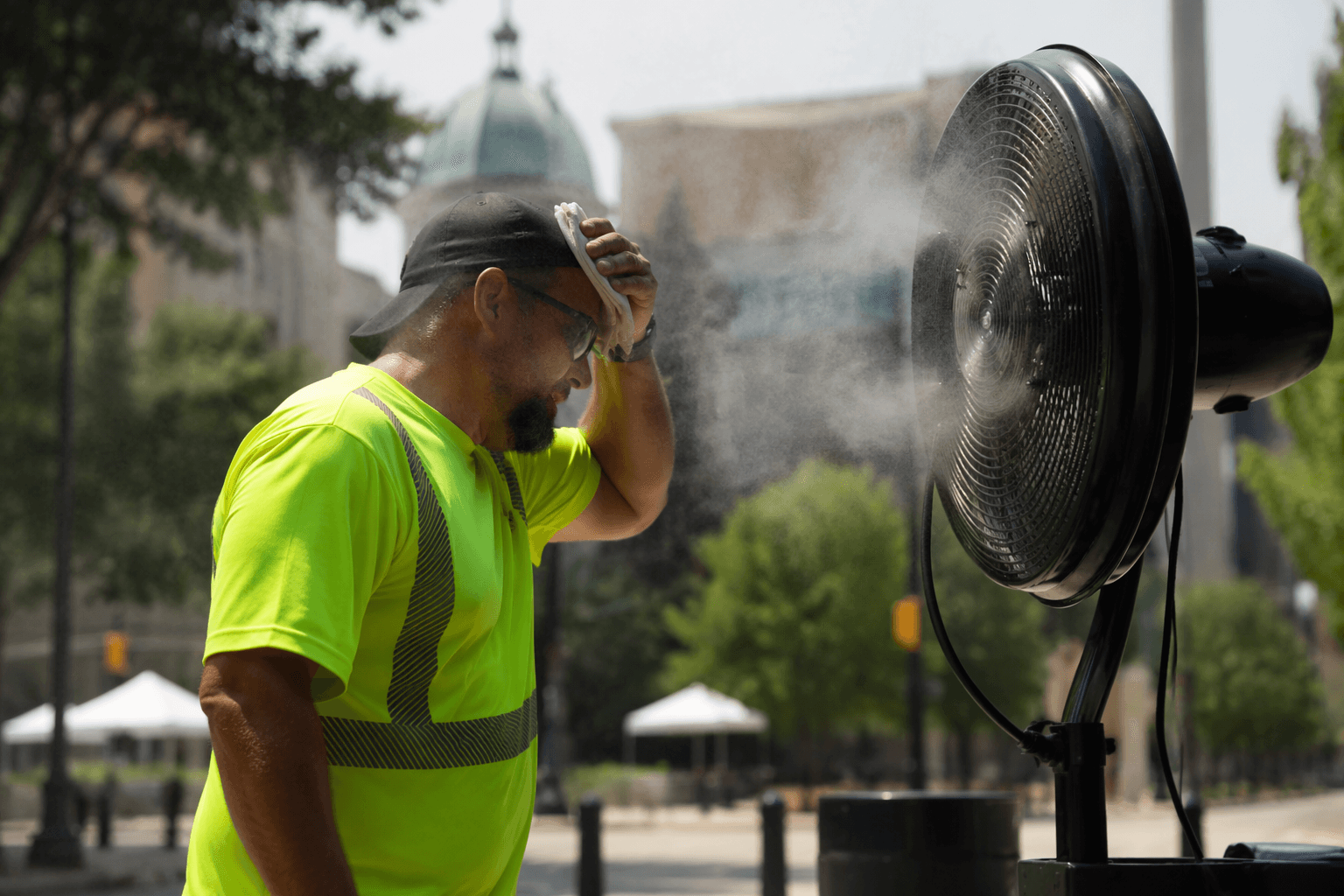
UNC Health emergency departments in Raleigh, Holly Springs, Chapel Hill and Hillsborough saw about 50 heat-related patients over the Fourth of July weekend, and UNC Hospitals in Chapel Hill treated about 10 fireworks-related injuries. Temperatures were expected to top 100 degrees and feel like 110 with humidity.
The warning signs were the kind that can escalate fast: dizziness, heavy sweating, nausea, pale or clammy skin and muscle cramps for heat exhaustion, and confusion, slurred speech or loss of consciousness for heat stroke. Older adults, children, outdoor workers and people with health conditions are especially vulnerable, and the state had already documented more than 1,808 heat-related emergency-room visits between May 1 and June 28, above the average of 1,363 during the same stretch from 2021 to 2025.

Residents can still get out of the heat at Wake County cooling stations, which the county kept open through at least Saturday, July 11. Public libraries and county buildings serve as cooling spaces, including Wake County Health & Human Services on Swinburne Street in Raleigh, the Eastern Regional Center in Zebulon and the Southern Regional Center in Fuquay-Varina, with library hours varying by branch.
For households without air conditioning, Cool for Wake offers free fans and air-conditioning units to eligible residents when a child, an older adult or a person with a disability lives in the home. Call 919-212-7083 or email CoolForWake@wake.gov to get connected, and sign up for the NCDHHS Heat Health Alert System for county email warnings from May 1 to Sept. 30 when dangerous heat is forecast. Drink plenty of water, even if you are not thirsty, and move quickly to a cooler place if heat illness symptoms start.
This article was produced by Prism’s automated news system from verified source data, official records, and press releases, then run through automated quality and moderation checks before publishing. The system is built and supervised by the people who set the standards it runs under. Read our full AI policy.
Did this article answer your question?