Wake County jury awards $18.2 million in WakeMed birth injury case
Wake County jurors said a WakeMed delivery error left Naqah Lake with permanent nerve damage, then awarded him and his mother $18.2 million.
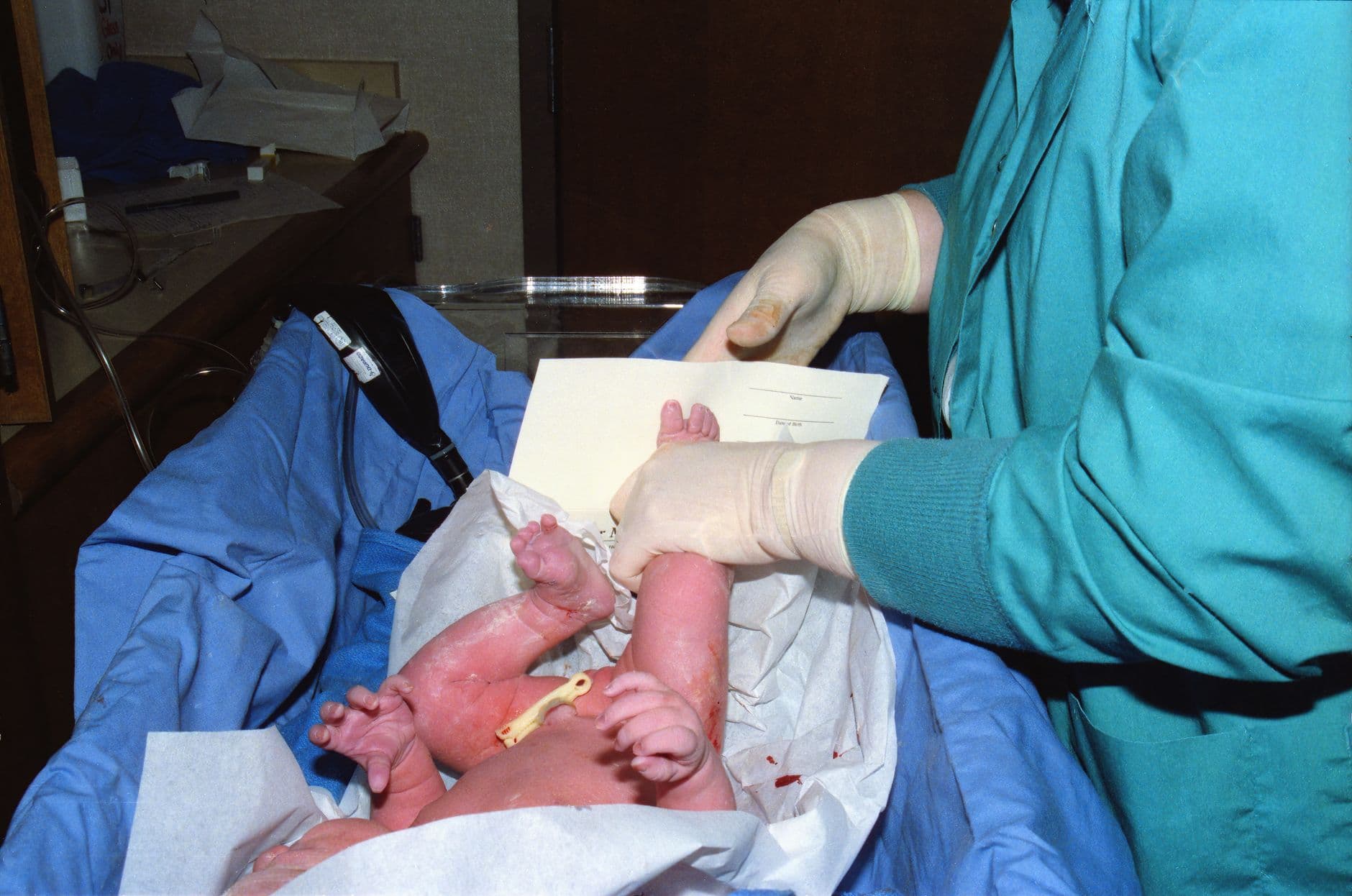
A Wake County jury awarded $18.2 million to Naqah Lake and his mother, Laurel Browne, after finding that negligence during the boy’s birth at WakeMed Raleigh Campus Hospital caused permanent injury, disfigurement and a lifelong disability. The unanimous verdict came after a five-week trial in Wake County state court and ranks among the largest medical-malpractice awards tied to birth injury in North Carolina.
Jurors heard that the delivery on Sept. 17, 2019, involved shoulder dystocia, when a baby’s shoulder becomes stuck behind the mother’s pubic bone. Plaintiffs’ lawyers said the resident physician documented the complication and then performed a fetal vertex rotation maneuver, which they argued should not have been used in that setting and instead caused Naqah’s brachial plexus injury, leaving his left arm, shoulder and hand permanently impaired. The jury’s verdict confirmed negligence by both the hospital and the resident physician.
The damages breakdown gives a sense of how the jury viewed the harm. Plaintiffs’ counsel said the panel awarded $2.2 million in economic damages and $16 million in noneconomic damages, and Judge Winston C. Gilchrist presided over the case. North Carolina law generally caps noneconomic medical-malpractice damages at $500,000, but it allows no cap when a plaintiff proves disfigurement, loss of use of part of the body, permanent injury or death, along with reckless disregard, gross negligence, fraud, intentional conduct or malice. The statute also says any verdict over the cap must be modified to match the law.
WakeMed’s spokesperson said the jury found three other WakeMed medical professionals were not negligent and said the health system is committed to a safe environment for patients and for future health care providers. On WakeMed’s own maternity pages, the system still points families to Raleigh Campus, North Hospital and Cary Hospital, offers virtual tours of its birthing centers and says those locations deliver nearly 10,000 babies a year, the highest volume of any health system in Wake County.
For expectant parents in Wake County, the case is a reminder to ask direct questions before labor begins: who is on the delivery team, how the unit handles shoulder dystocia, when an attending obstetrician is called in, and what steps the hospital uses before trying emergency maneuvers. WakeMed says its birthing centers have around-the-clock specialty trained teams and highly secured labor and postpartum areas, but this verdict shows how much turns on the split-second decisions made in the room.
This article was produced by Prism’s automated news system from verified source data, official records, and press releases, then run through automated quality and moderation checks before publishing. The system is built and supervised by the people who set the standards it runs under. Read our full AI policy.
Did this article answer your question?