Wake County launches housing plan to move 400 people indoors
Wake County put $22 million behind Wake at Home, a push to move 400 people from encampments into permanent housing over 18 months.
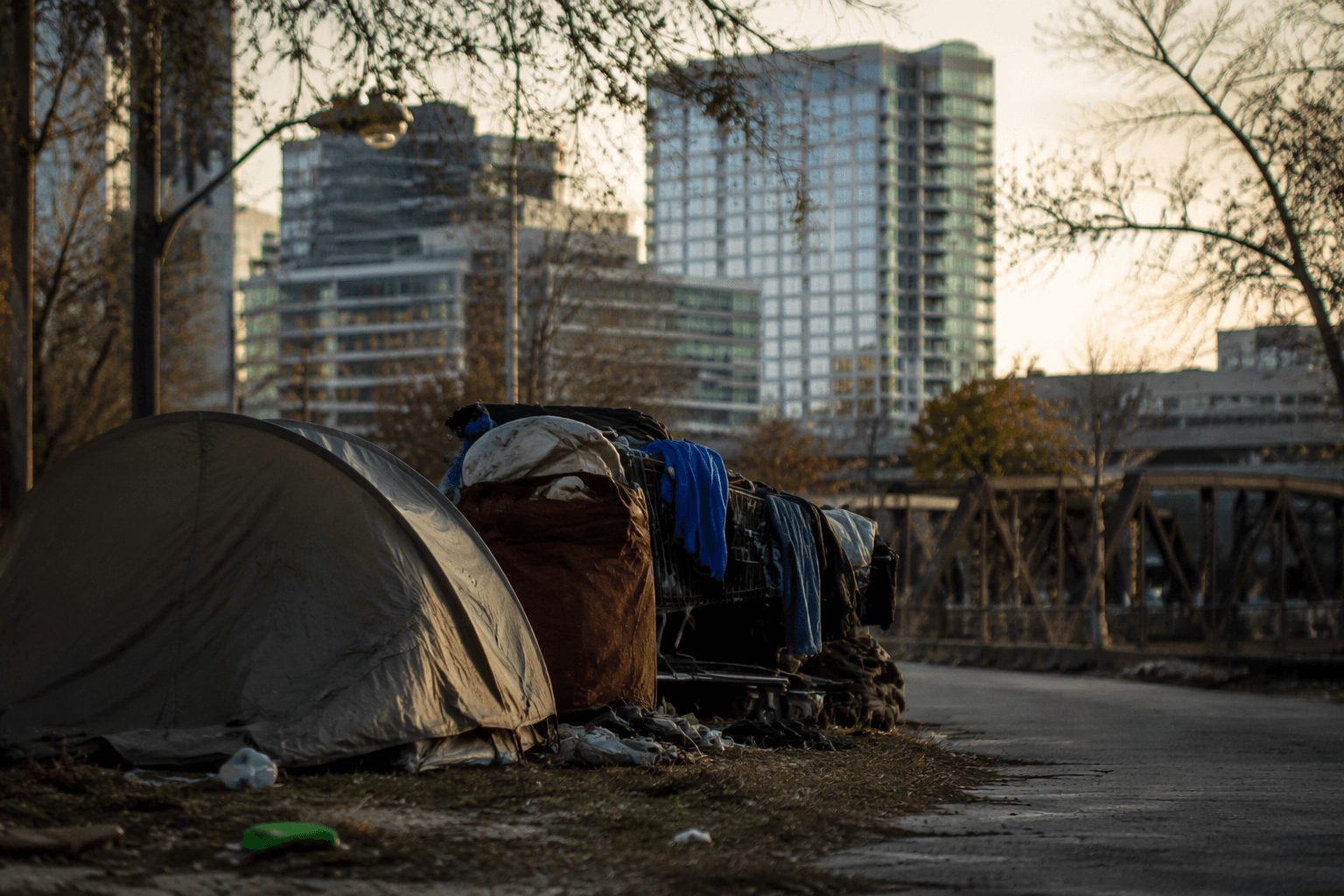
Wake County launched Wake at Home, a $22 million homelessness plan that will try to move 400 people living in encampments into permanent housing over the next 18 months. County officials have said the goal is to shift people out of tents and makeshift shelters and into stable leases, while Wake County says it sees more than 1,000 unhoused people every night in shelters or encampments.
The new effort is built around a Housing First model, which means permanent housing comes before other supports instead of after a person clears a long list of conditions. That is a sharp contrast with older emergency-only responses, and it puts Wake County’s Continuum of Care, known as NC-507, at the center of the work. The countywide network says its mission is to make homelessness “rare, brief and non-recurring.”
Wake County has already spent years building the system around this plan. The county described Bridge to Home as a comprehensive approach to homelessness and affordable housing, and that effort built on the Hotels to Housing program used during the COVID-19 pandemic. Wake County and the City of Raleigh also moved more directly into joint work this year, holding their first joint meeting in more than 20 years on Feb. 17, 2026, to focus on affordable housing. County and city homelessness materials now show coordinated work on unsheltered homelessness response, including decommissioning encampments and providing housing-focused case management.
The stakes are larger than one new program. County and local news materials have said Wake County faced a deficit of more than 56,000 affordable housing units as of 2015, and the county’s 2025 Annual Housing Impact Report says targeted investments and cross-sector partnerships are meant to expand housing affordability, prevent homelessness and strengthen community stability. The county also previously launched a housing hotline for people at risk of homelessness, another sign that officials are trying to connect the homelessness response to the broader housing shortage.

Residents should judge Wake at Home by whether the county can actually house 400 people within the timeline, not simply announce placements. The clearest benchmarks over the next year will be how many people leave encampments for permanent housing, whether encampments are reduced without shifting people elsewhere, and whether the nightly number of unhoused residents starts falling from the current county estimate of more than 1,000. If those numbers do not move, the county will have spent $22 million without changing the basic math on Wake County’s streets.
This article was produced by Prism’s automated news system from verified source data, official records, and press releases, then run through automated quality and moderation checks before publishing. The system is built and supervised by the people who set the standards it runs under. Read our full AI policy.
Did this article answer your question?