Wake County schedules June meetings on South Wake Landfill study
Wake County is taking comments on what comes after the South Wake Landfill, with June drop-ins in Wake Forest, Fuquay-Varina, Zebulon, Cary and Raleigh.
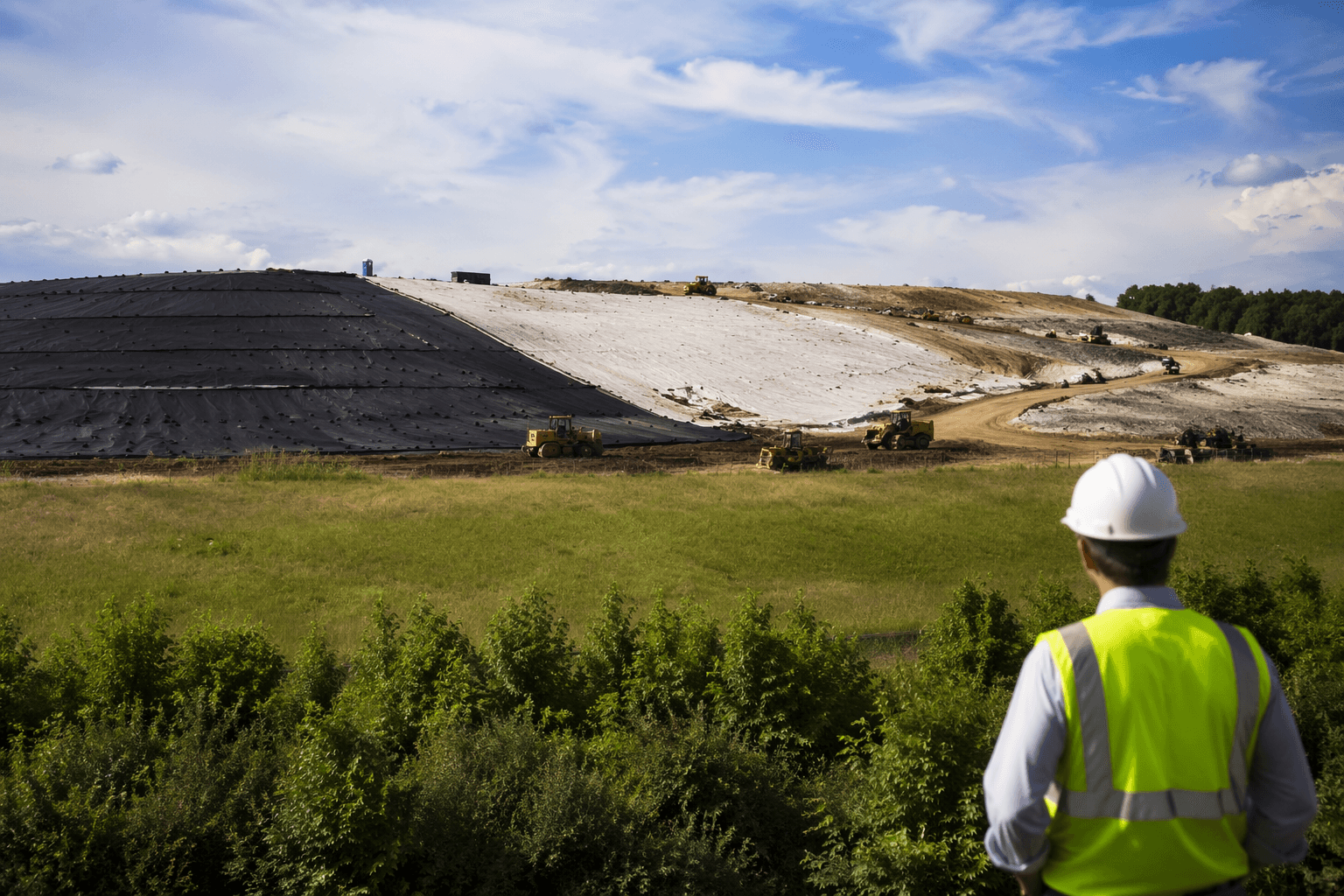
The real question hanging over Wake County’s June landfill meetings is who will bear the costs when the South Wake Landfill nears the end of its life, and how much say residents will actually have before county leaders choose a new disposal path. Wake County says the study will not make decisions itself, but it will shape the data, public feedback and analysis commissioners use later.
County officials say the landfill is about 39% full and is expected to reach capacity between 2040 and 2045. The county is treating the effort as a 50-year planning study, with 2025 focused on assessing options and gathering initial input, 2026 set aside for deeper analysis and continued engagement, and recommendations and decision-making expected in late 2026 to early 2027.
The county will hold five drop-in sessions in June, all from 5 to 7 p.m. The schedule includes June 4 at the Northern Regional Center in Wake Forest, June 18 at the Southern Regional Center in Fuquay-Varina, June 23 at the Eastern Regional Center in Zebulon, and June 25 at Downtown Cary Park’s Academy Pavilion in Cary and at the Walnut Creek Wetland Center’s Neuse Room in Raleigh. Residents can also take an online survey, submit comments, sign up for email updates or request a presentation for organizations by emailing recycling@wake.gov.
The stakes go far beyond one landfill. Wake County’s Solid Waste Management Division says the South Wake Landfill took in 530,741 tons of garbage last year, while county waste and recycling facilities recycled 40,751 tons of materials. The landfill, located where Holly Springs meets Apex, accepts waste only from licensed haulers and only from inside Wake County.
Phase 1 of the study outlines four broad directions: build a new county landfill, haul trash to regional landfills outside Wake County, construct a waste-to-energy facility or pursue other alternative disposal technologies. The county says at least some undeveloped areas could potentially fit a new landfill, but further evaluation is needed, and any new county landfill would likely require a transfer station. Wake County also says there are five regional landfills within 100 miles, though several may be nearing capacity around the same time.
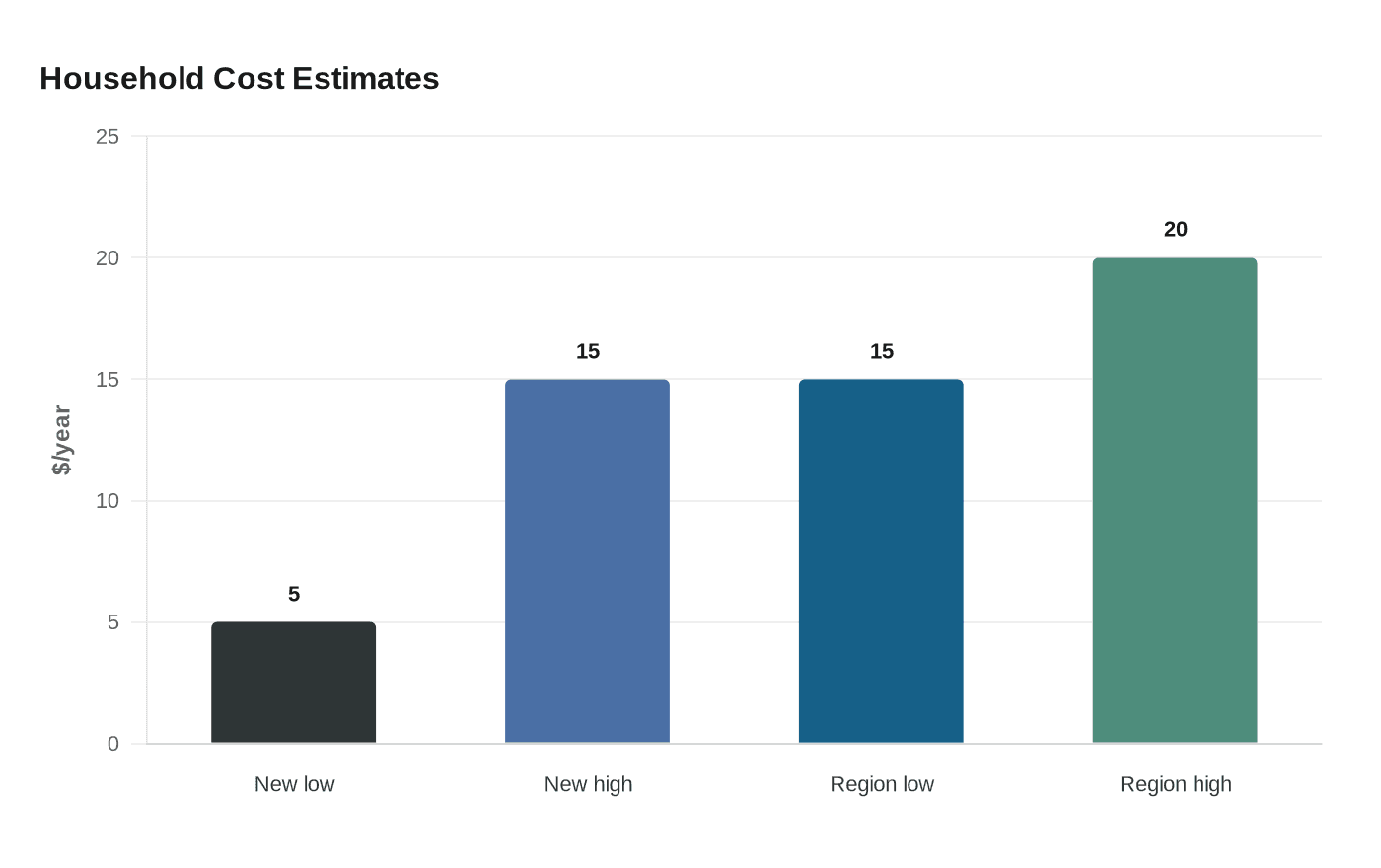
The county’s own FAQ says the price tag for households would depend on which path leaders choose. A new county landfill would likely raise household trash-related fees by about $5 to $15 a year, while sending waste to regional landfills could increase average household costs by about $15 to $20 annually.
The planning fight around South Wake did not begin this year. Wake County’s landfill history dates to 1990-1994, when commissioners bought land for the Feltonsville Landfill expansion and pursued more property for long-term disposal. The county received a site suitability letter in 1995, held a required public hearing in 1998 and secured the facility’s Permit to Construct in February 1999 after litigation.
That history explains why the June sessions matter. The county says it wants to evaluate long-term disposal options, engage stakeholders and the public, strengthen local partnerships and regional collaboration, and build an adaptable implementation plan. For residents from Holly Springs, Apex and the rest of Wake County, the coming meetings are the first clear chance this year to press officials on where the trash goes next and who pays for the answer.
This article was produced by Prism’s automated news system from verified source data, official records, and press releases, then run through automated quality and moderation checks before publishing. The system is built and supervised by the people who set the standards it runs under. Read our full AI policy.
Did this article answer your question?