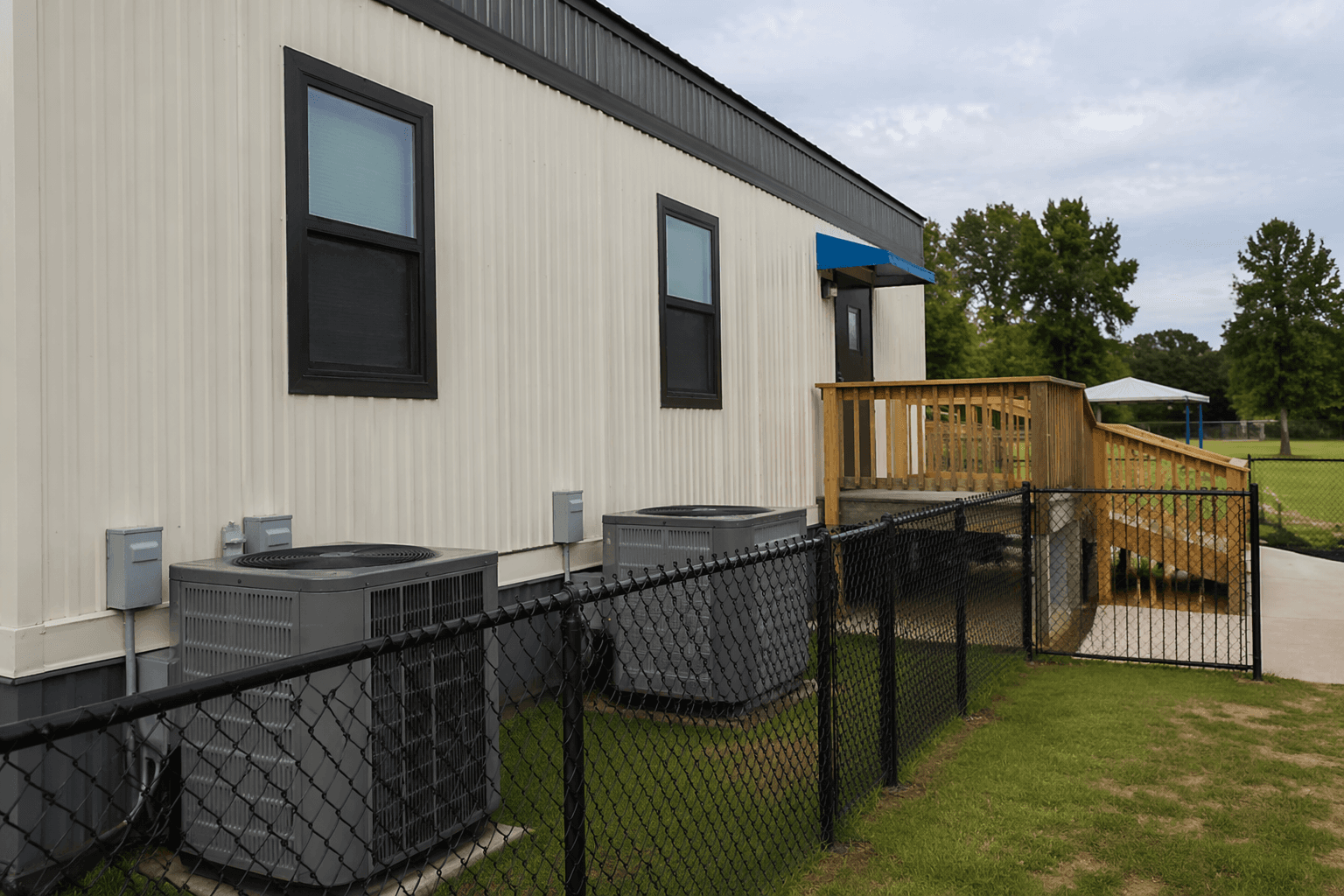
Wake County Schools Restrained or Secluded 371 Students Over 1,000 Times
District data show 371 Wake County students were physically restrained or secluded more than 1,000 times in fall 2025, including 768 restraints and 288 seclusions.
Wake County Public School System records show 371 distinct students were physically restrained or secluded more than 1,000 times during the fall 2025 semester, 768 instances of physical restraint and 288 instances of seclusion, a semi-annual package presented to the school board’s Student Achievement Committee Tuesday afternoon shows. The figures were submitted under a semi-annual reporting requirement that stems from a 2023 legal settlement.
The fall totals represent increases from a year earlier: physical restraint rose from 628 to 768 episodes, and seclusion rose from 264 to 288 episodes for the comparable fall semester. By contrast, Wake’s full 2023–24 school year had 1,408 total incidents involving 403 students, 1,120 physical restraints, 264 seclusions and 24 mechanical restraints, a pace that underscores why board members raised concerns when fall 2025 data were presented.
District materials and committee discussion flagged racial and disability disparities: the majority of students affected were elementary-age children, many were students with disabilities, and Black students were disproportionately represented among those restrained or secluded. The fall 2025 semester’s 1,056 combined restraint-and-seclusion episodes amounted to roughly 75 percent of the entire 2023–24 school-year total of 1,408 incidents, a comparison officials and advocates noted as a metric for urgency.
North Carolina General Statutes §115C-391.1 governs use and reporting of physical restraint and seclusion in schools and was cited during the committee review; the statute generally requires prompt parent or guardian notification, by the end of the workday when reasonably possible, and a written incident report within 30 days in specified situations, restricts mechanical restraints, and permits seclusion only in narrowly defined emergencies or when it is written into a student’s IEP or Section 504 plan. Disability Rights NC explained in prior coverage that schools may use restraint or seclusion to stop a fight or prevent injury but cannot rely on the practices solely for disciplinary reasons.
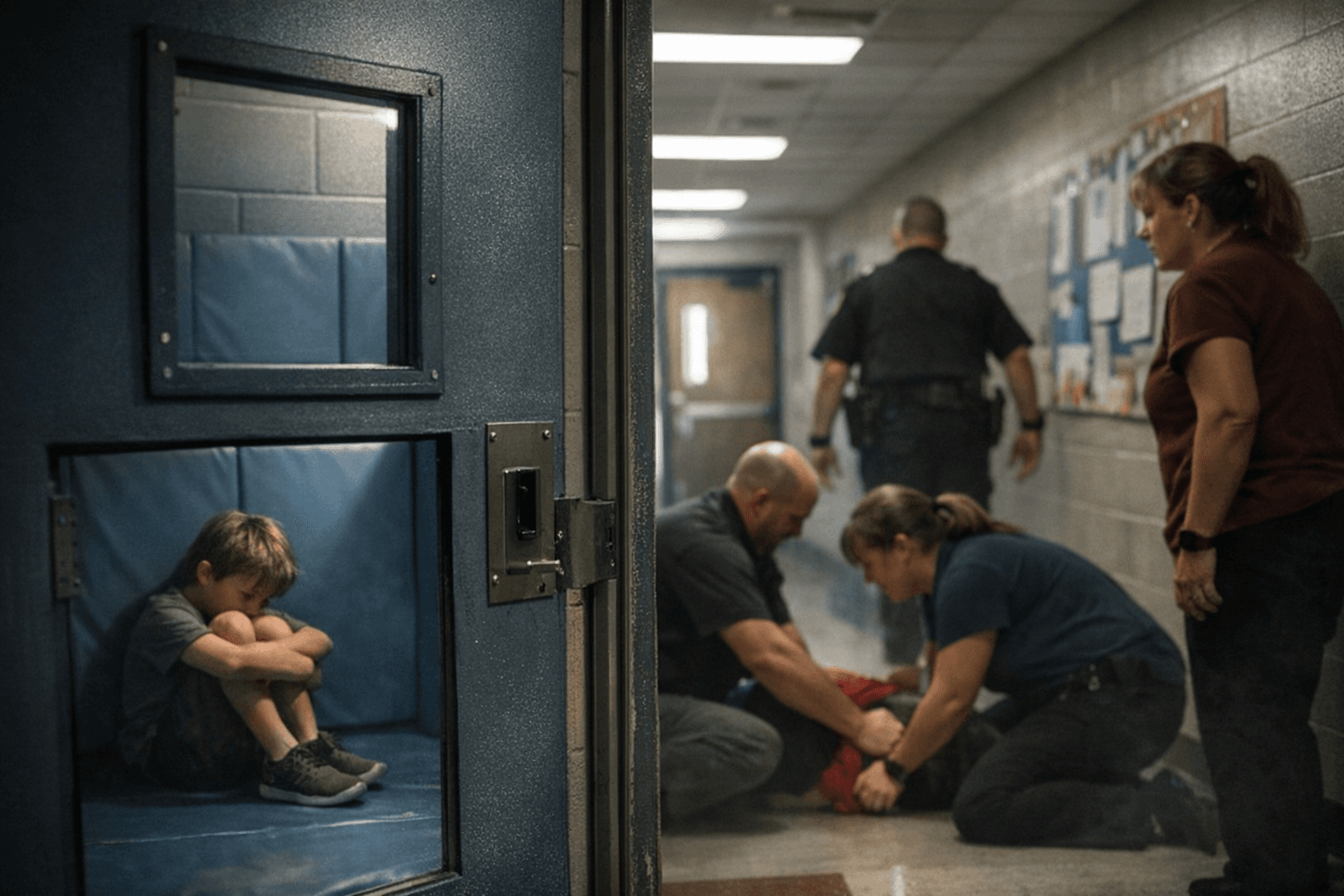
School officials and board members acknowledged the data and the need for reform. Wake’s senior director of student due process, Paul Walker, said seclusion and restraint are not allowed to be used as a disciplinary tool “In order to foster positive classrooms,” and he noted permitted uses include restraining a student in self-defense or to search them for a weapon. A district official identified only by surname, Allred, has been described as working to overhaul special education services since taking over that department. School board member Christina Gordon thanked district leaders and said, “We have some work to do around the trust and the things we're doing around special education.” School board member Tyler Swanson, identified as a former special-education teacher, said, “Seclusion and restraint is the absolute last option for our students to reduce the level of harm and trauma that our students face.”
The fall 2025 semi-annual package joins a longer record of oversight: Wake settled a 2020 lawsuit by agreeing to pay $450,000 to a family who said a high school special-education student was illegally restrained and secluded, and the semi-annual reports are a continuing element of court-mandated monitoring. The Student Achievement Committee’s review Tuesday put renewed focus on how Wake will translate the fall numbers and the statutory safeguards in §115C-391.1 into training, reporting and equity-focused changes across elementary schools where most incidents occurred.
This article was produced by Prism’s automated news system from verified source data, official records, and press releases, then run through automated quality and moderation checks before publishing. The system is built and supervised by the people who set the standards it runs under. Read our full AI policy.
Did this article answer your question?