Wake County Schools Weigh Safety Cameras, Possible $800M Bond Referendum
Wake County schools are weighing automated speed cameras in school zones and an $800M–$900M bond that could raise property taxes to fix aging HVAC systems and renovate three schools.

Wake County school board members are weighing automated speed cameras in school zones, an expansion of stop-arm cameras on buses, and a potential bond referendum that could exceed $800 million, as district leaders grapple simultaneously with student safety and crumbling infrastructure.
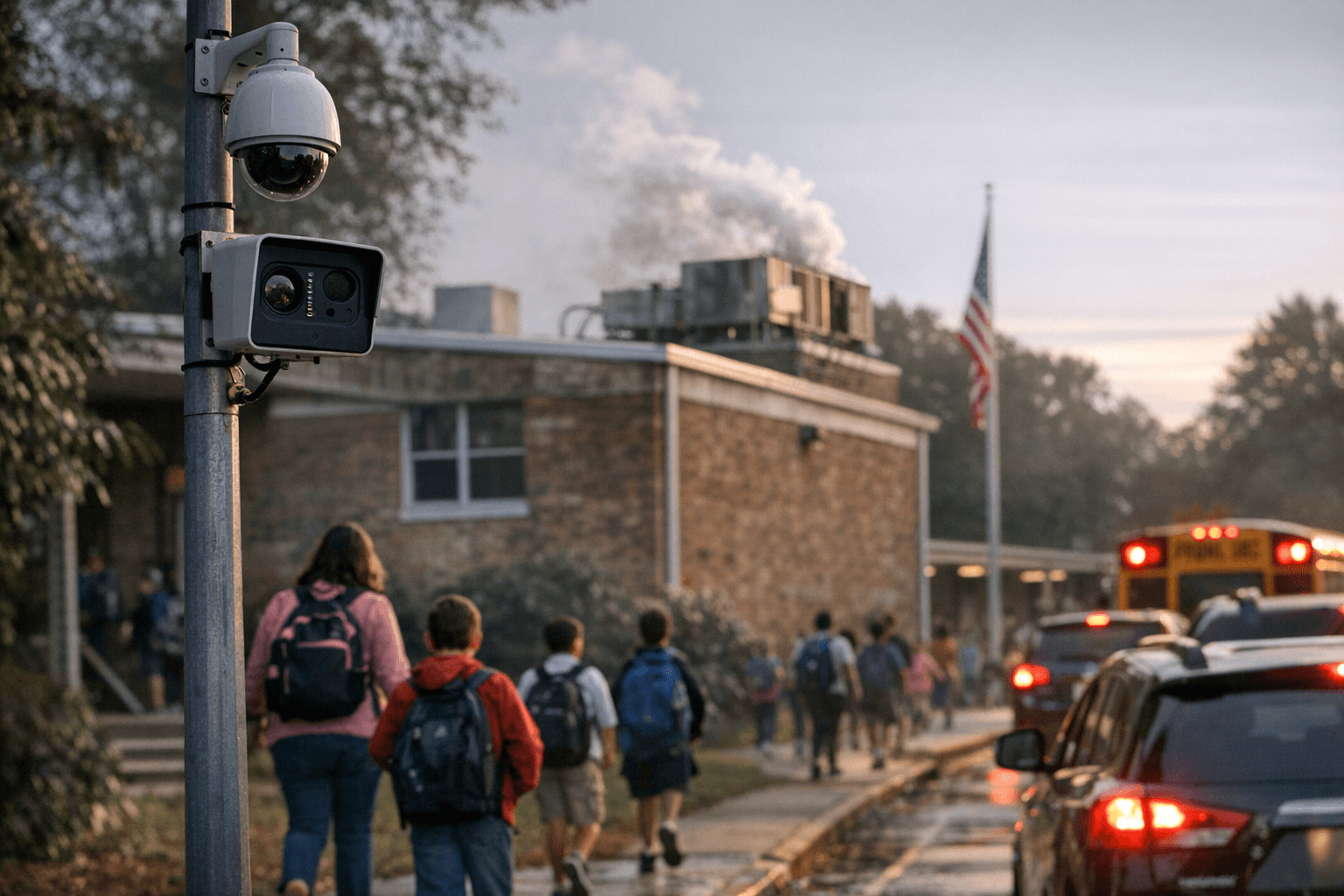
School Board Chair Tyler Swanson framed the camera push in simple terms: "It's all about keeping students safe." But the path to actual enforcement is far from clear. Chief of Facilities and Operations Mark Strickland told the board that many more details are needed before the proposal comes to a vote, and officials outlined three firm preconditions that must be met first: Wake County government must pass an ordinance authorizing camera enforcement, the county, school district, and sheriff's office must reach an intergovernmental agreement detailing cost-sharing and reimbursements, and a law enforcement officer must physically review all camera feeds before any citation is issued.
The discussion follows a North Carolina law passed last year permitting automated speed cameras in school zones. Under that law, drivers going 11 mph or more over the posted limit can receive a ticket through photo enforcement. Speeding in a North Carolina school zone already carries a mandatory fine, three driver's license points, and potential insurance premium increases. The program is designed to be cost-neutral: revenue from violations would fund operations, with any surplus flowing back to the district.
Wake Forest parent Stacey Coffman said she wants answers before the district moves forward. "The big question is, who's funding it? Who should be funding it? And then what data supports this being such a high priority?" she said. The district already has dozens of buses equipped with stop-arm cameras, but officials say questions about technology, administration, and community engagement remain unresolved for any broader rollout.
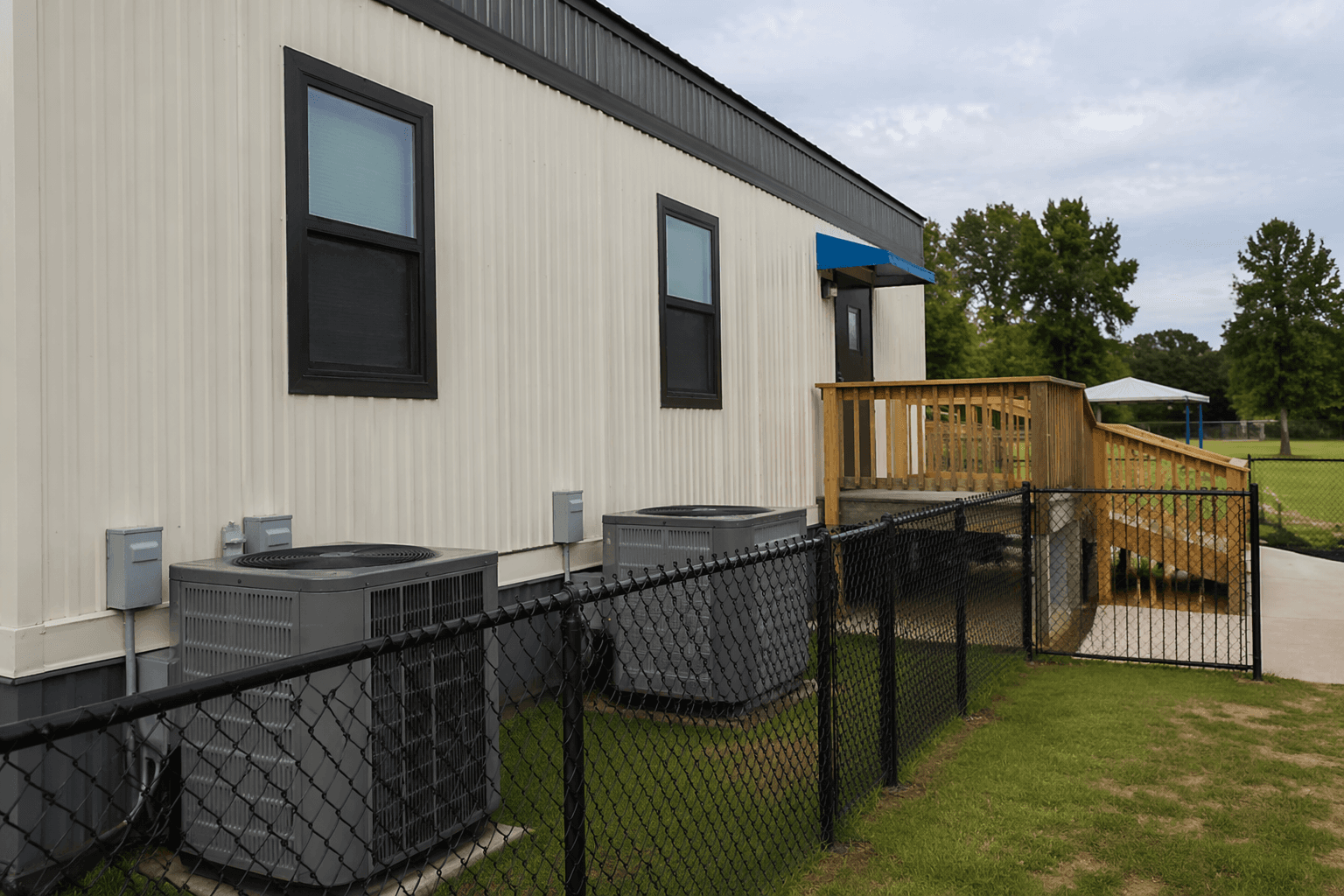
The board is simultaneously pressing on a separate and much larger financial question. Wake County Deputy County Manager Emily Lucas told the school board this week that the combined facility needs of WCPSS and Wake Technical Community College could require a bond of $800 million to $900 million, though she cautioned that the board and county would not necessarily request the full amount. The money would cover aging HVAC systems that have reached their life expectancy across the district and fund major renovations at East Garner Middle, Ligon Middle, and Cary High schools.
A bond referendum would likely require a property tax increase. The county last went to voters with a bond in 2022, and they approved it. Lucas noted that Wake County's AAA bond rating typically yields interest rates below 2%, and the county plans to pay off 70% of its existing debt within 10 years to create room for new borrowing. Debt is only incurred as individual projects are taken on.
The procedural timeline is tight. The school board must first approve its seven-year facilities plan, then recommend a bond later this spring. County commissioners must hold additional budget work sessions before deciding whether to direct staff to begin bond planning, and any application for a voter referendum must reach the state Local Government Commission by June 8. Voters would have the final say on November 3.
Security concerns beyond the roadways also surfaced at Tuesday's board meeting, where Senior Director of Security Kendrick Scott presented the current status of school safety protocols, including coverage for large after-school events. District leaders outlined tools under consideration, including updated surveillance cameras, special door locks, and emergency notification systems. Parent Emily Johnson, who attended the meeting in the wake of a deadly Minnesota school shooting, said urgency matters. "I am encouraged to see what is coming in the future, and I hope it happens quickly because our kids can't wait. Security needs to go in place now and not years down the road," she said, adding that many parents have been pushing specifically for weapons detection systems.
Superintendent Robert Taylor said the district is not reacting to individual incidents but continuously evaluating its security posture. "It's not that we are reactionary. We are constantly reviewing all the actions that we have and we use that to determine what kind of changes we need to make," Taylor said. He acknowledged that weapons detection is both a proactive and reactive measure, while noting that specifics of how those systems are deployed are not always shared publicly.
Whether it is cameras at school zone crossings or bond-funded renovations at Cary High, the district faces the challenge of moving quickly enough to satisfy parents without outrunning the legal, financial, and administrative frameworks that make any of it possible.
This article was produced by Prism’s automated news system from verified source data, official records, and press releases, then run through automated quality and moderation checks before publishing. The system is built and supervised by the people who set the standards it runs under. Read our full AI policy.
Did this article answer your question?