Wake County sees juvenile complaints decline, leaders push early intervention
Wake County logged 3,556 juvenile complaints last year, but leaders say the real test is whether early intervention can stop repeat cases.
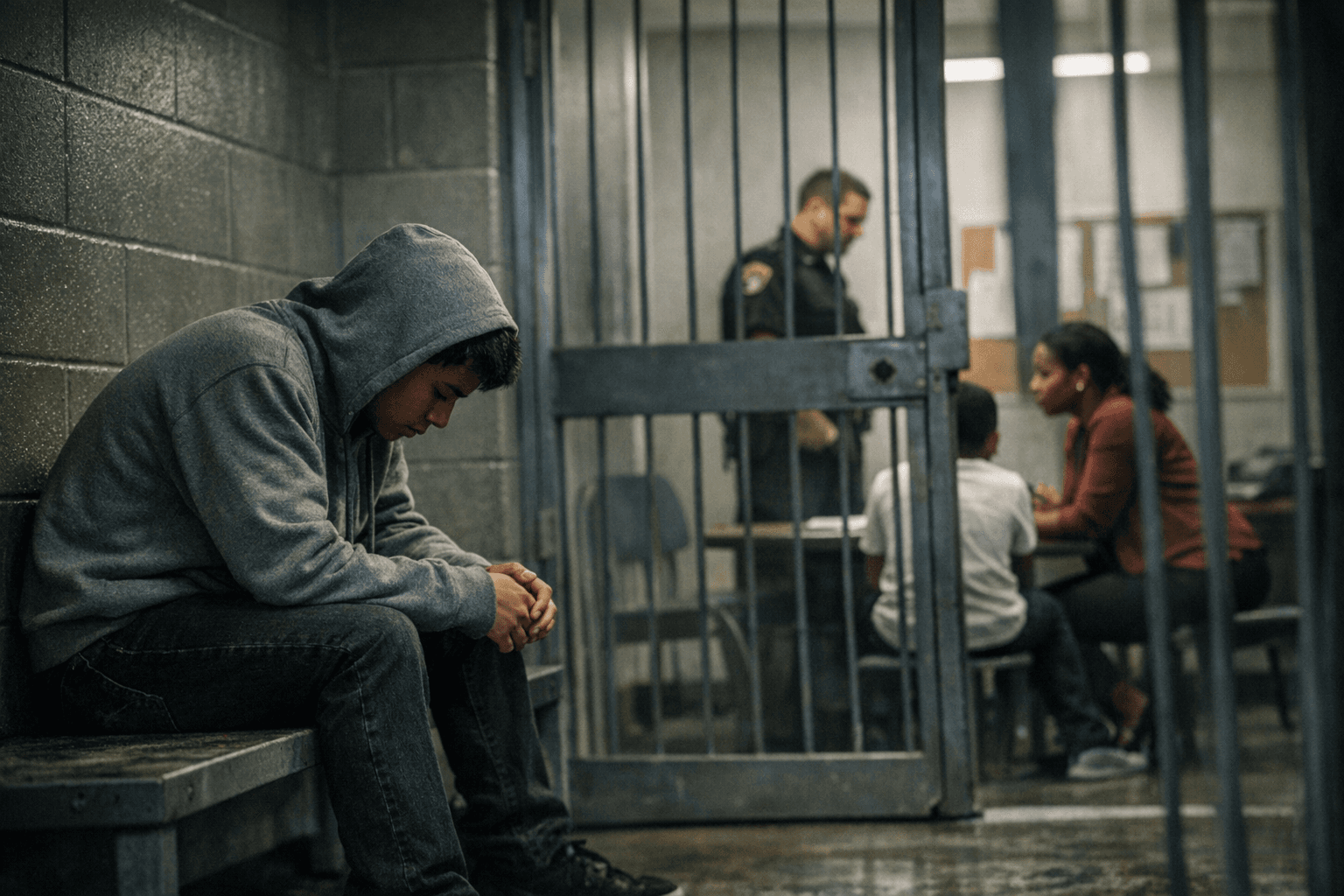
Wake County’s juvenile complaint count fell 4.2 percent, but county leaders are treating the drop as a warning as much as a win. The latest fiscal 2025 data showed 3,556 delinquent complaints involving young people ages 6 to 17, tied to 729 individual youths, and about one-third of those youths ended up in juvenile detention.
That picture came before the Wake County Commission Public Safety Committee, where the Juvenile Crime Prevention Council pushed a strategy built around catching problems earlier. Dr. Jonathan Glenn, who oversees the county’s juvenile crime prevention program, said many of the cases involve low-level offenses, and the county wants to intervene before those offenses harden into a pattern. Glenn also said the council was encouraged by the decline, but the numbers still point to a steady flow of children moving through the system.
The decline may reflect more than fewer bad decisions by teenagers. Wake County’s prevention network depends on referrals, outreach and community programs, so a smaller complaint count could mean those efforts are reaching some children earlier, before a case escalates. It could also reflect changes in how schools, families and law enforcement route behavior into the system, especially in a county where juvenile justice officials are trying to balance detention with alternatives that keep youths in class and connected to services.
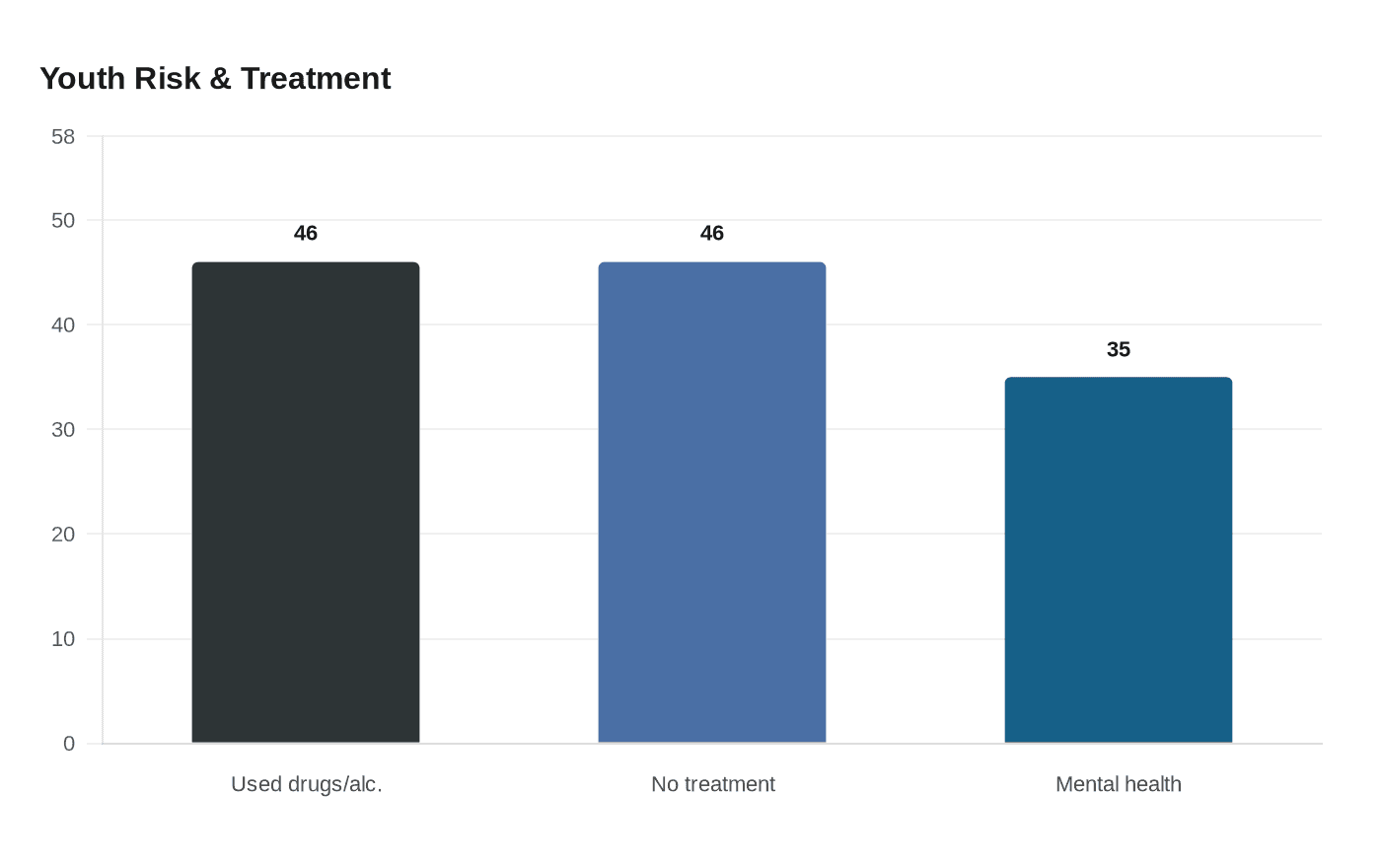
The broader youth picture remains troubling. ABC11 reported that 46 percent of surveyed youths in the justice system said they had used drugs or alcohol before, and 46 percent of that group said they had not received treatment. The same report found 35 percent reported mental health problems and a diagnosis, with few receiving any treatment. Those numbers make the county’s early-intervention push less about punishment than about whether Wake can reach children before substance use, untreated mental health needs or repeated low-level offenses push them deeper into the system.
The council itself carries real weight in that effort. Wake County’s Juvenile Crime Prevention Council serves as the county’s juvenile justice planning body and is required for funding tied to juvenile court services and delinquency-prevention programs. Its bylaws say it works with the North Carolina Department of Public Safety, county departments, municipalities, nonprofits and the Wake County Public School System to plan prevention programs and community-based alternatives to detention. The board listing shows 26 seats and two vacancies, underscoring how central the group is to county public safety planning.
The data was also presented days after a shooting involving teenagers at Triangle Town Center, although that meeting had been scheduled before the incident. Dawn Blagrove, executive director of Emancipate NC, urged officials to focus resources more precisely on repeat-involved youths and said the county should handle the issue “with a scalpel and not a butcher knife.” For Wake County, the challenge now is whether a modest decline in complaints marks real behavior change, or simply a different point of contact with the justice system.
This article was produced by Prism’s automated news system from verified source data, official records, and press releases, then run through automated quality and moderation checks before publishing. The system is built and supervised by the people who set the standards it runs under. Read our full AI policy.
Did this article answer your question?