Wake County state House race heats up as Republican faces party switcher challenge
Incumbent Rep. Mike Schietzelt is facing a Republican primary challenge from a local math teacher who recently changed her voter registration and joined the GOP to run. The contest illustrates how Wake County redistricting and demographic shifts have produced several competitive legislative races that could reshape local policy debates on education, public safety, and representation.
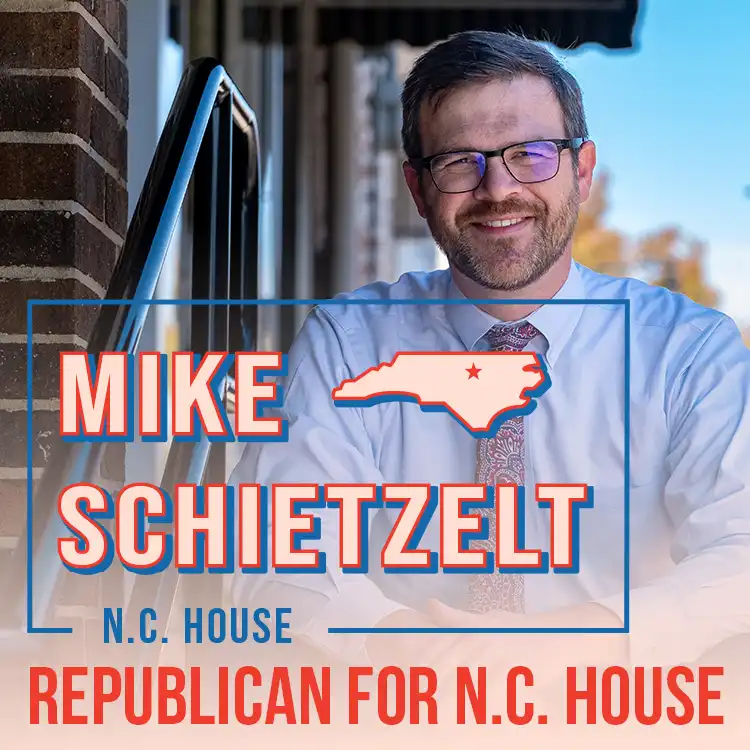
An intra-party contest emerged in early January as incumbent state Rep. Mike Schietzelt filed for re-election and drew a primary challenger who recently changed her voter registration and joined the Republican Party to pursue the seat. The challenge, filed ahead of the 2026 legislative primaries, puts a spotlight on suburban Wake County districts that have become more politically contested following 2024-25 redistricting and ongoing demographic shifts.
Schietzelt, a Republican lawmaker representing a Wake County district, carries a record that includes work on public safety-related legislation, notably measures involving ignition interlock devices. His legislative tenure and policy priorities establish a baseline that primary voters will weigh against the priorities an educator-turned-candidate brings to the race. The challenger is a local math teacher by profession; her recent party registration change and decision to run mark a notable entry into local partisan politics.
The race is significant beyond the two candidates. Wake County has emerged as a focal point for competitive state legislative contests in 2026, as new district lines and population changes have altered partisan balances and opened opportunities for both incumbents and newcomers. Primary elections in these reconfigured districts will play a critical role in determining who appears on the November ballot and which issues dominate legislative agendas next year.
For voters, the contest highlights several institutional and policy considerations. Candidate recruitment and party affiliation changes are now part of tactical calculations in districts where small shifts in turnout can decide outcomes. Primaries commonly draw smaller, more ideologically engaged electorates, so intra-party challenges can shift policy emphasis on issues such as education funding, classroom priorities, and public safety protocols. The presence of a classroom teacher in the race introduces education policy and local school concerns into the primary conversation in a direct way that could alter campaign messaging and voter priorities.
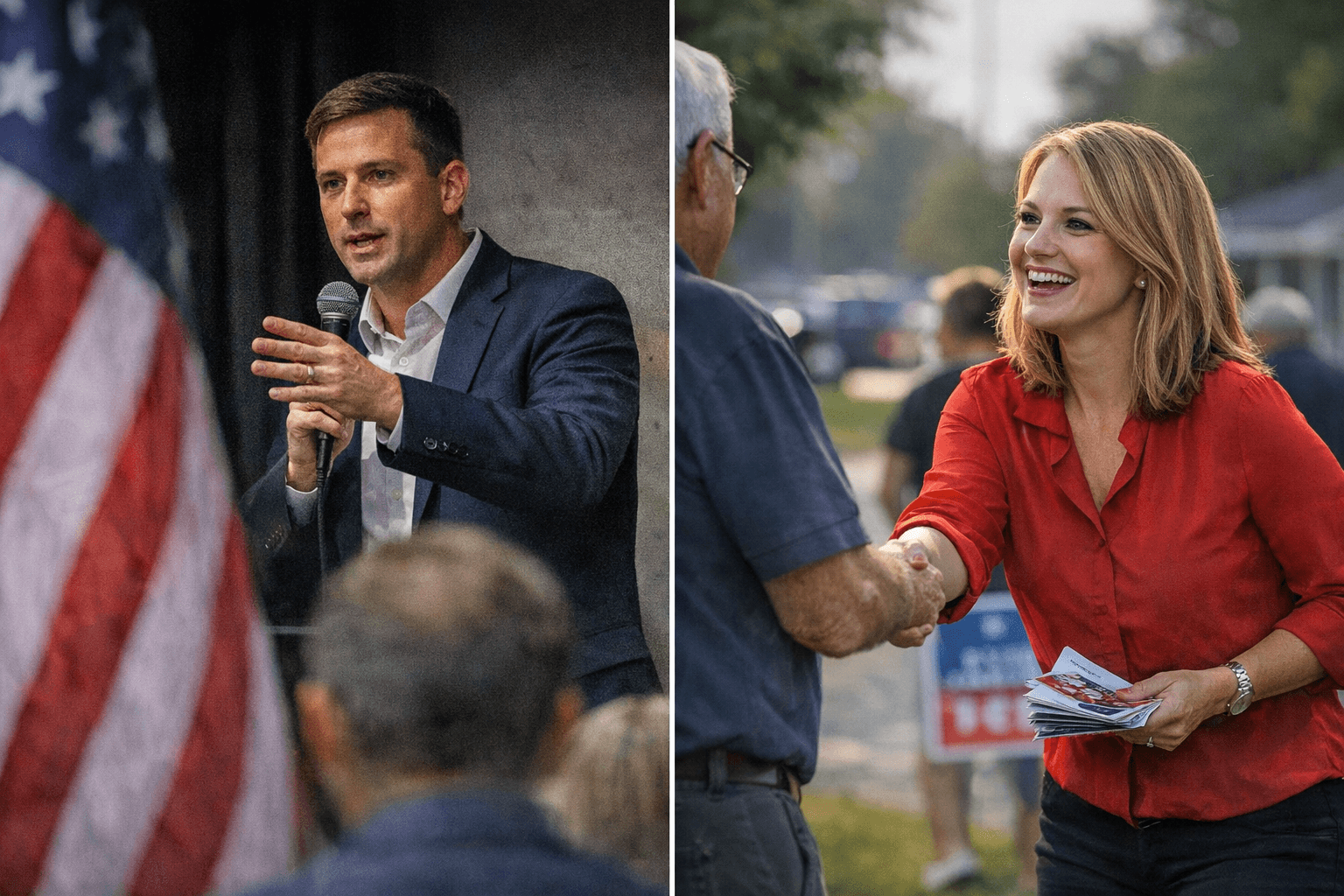
The dynamics of this contest also underscore the importance of civic engagement at the primary level. As Wake County’s electorate adapts to new district maps and demographic trends, turnout among registered party voters and newly registered participants will influence not only who wins nominations but also the policy directions pursued by the next state legislature.
Voters in the district should monitor candidate filings, campaign statements, and any scheduled debates or forums as the primary season progresses. The outcome will offer an early indicator of how suburban Wake County residents want their representatives to balance priorities on education, public safety, and local governance in the coming legislative session.
This article was produced by Prism’s automated news system from verified source data, official records, and press releases, then run through automated quality and moderation checks before publishing. The system is built and supervised by the people who set the standards it runs under. Read our full AI policy.
Did this article answer your question?