Wake County under wildfire risk warning as dry, breezy weather continues
Dry fuels and 90-degree heat kept Wake County on wildfire watch through the weekend, with officials urging residents to skip debris burning and watch grills.
.jpg&w=1920&q=75)
Wake County residents were being urged to put off yard debris burning, check mower blades and keep anything that could throw sparks away from dry grass as hot, dry weather and light breezes raised wildfire danger across the county and nearby areas.
National Weather Service Raleigh said the fire-weather pattern was set by high pressure that kept central North Carolina cool and dry through Thursday, then turned hot and dry later in the week as the system moved offshore. Saturday was forecast to be mostly sunny, with highs in the lower 90s and southwest winds of 5 to 10 mph, and the broader weekend outlook was not favorable for meaningful rainfall.
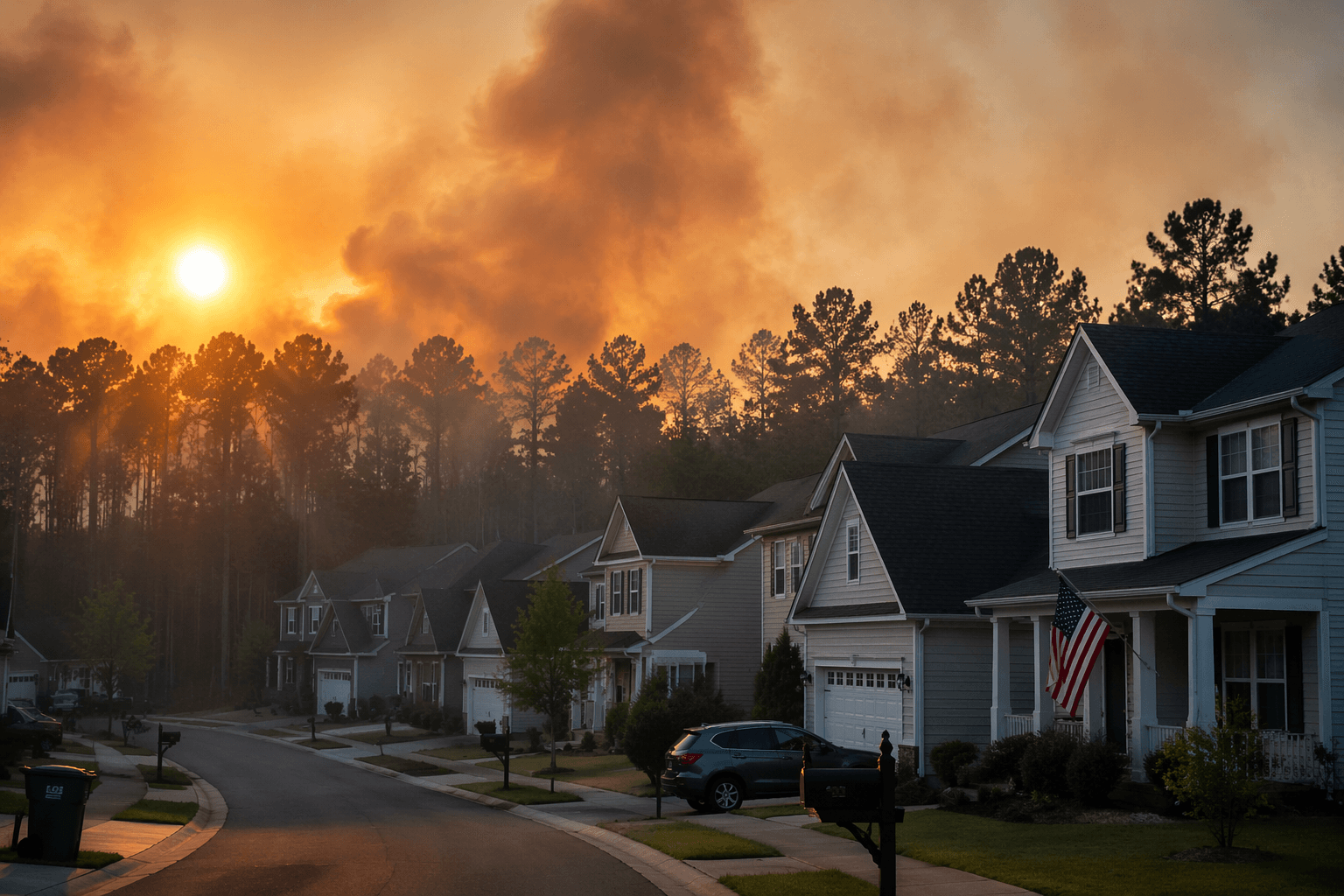
That combination mattered because fuels across Wake County were already dry. The weather service warned that low humidity, breezy conditions and dry ground could help any fire start fast and spread fast, especially in grass, leaf litter and wooded edges near homes. A low-end chance of late-day or evening storms Sunday night into Monday was not enough to erase the risk.
The warning landed after a spring that already forced county and state action. Wake County enacted a local burn ban on April 1, aligning with the statewide ban issued March 28 and extending protection to areas within 100 feet of occupied dwellings that were not covered by the state order. The county lifted that ban at 8 a.m. on May 3, when the statewide restriction ended.
State fire officials have said the danger has been driven by drought and low humidity, conditions that let flames ignite and move quickly. The N.C. Forest Service has continued to warn that mowers, vehicles on dry grass and smoking materials can all spark fires, and that careless debris burning remains the leading cause of wildfires in North Carolina. The agency says nearly 99% of the state’s wildfires are caused by human activity.
The scale of the problem has stayed high. North Carolina had already seen more than 3,500 wildfires in 2026, and the N.C. Forest Service’s wildfire situation report listed 4,710 year-to-date fires and 11,634.4 acres burned as of May 28.
Wake County Emergency Management said residents could receive urgent notices through Ready Wake Alerts and Wireless Emergency Alerts. If evacuations became necessary, county emergency managers could open shelters and reception centers with the American Red Cross. The county’s fire and emergency structure is led by Director Darrell Alford, with Braxton Tanner serving as fire marshal and Josh Creighton overseeing emergency management operations.
This article was produced by Prism’s automated news system from verified source data, official records, and press releases, then run through automated quality and moderation checks before publishing. The system is built and supervised by the people who set the standards it runs under. Read our full AI policy.
Know something we missed? Have a correction or additional information?
Submit a Tip