Wake County Voices Seek Release of EPA PFNA Toxicity Assessment
A group of North Carolina scientists and physicians urged Congressman Greg Murphy to press the Environmental Protection Agency to publish a completed toxicity assessment for PFNA, a persistent chemical found in drinking water. The unpublished federal analysis could shape state monitoring, regulation, and health protections that affect Wake County residents, especially communities already facing unequal environmental burdens.
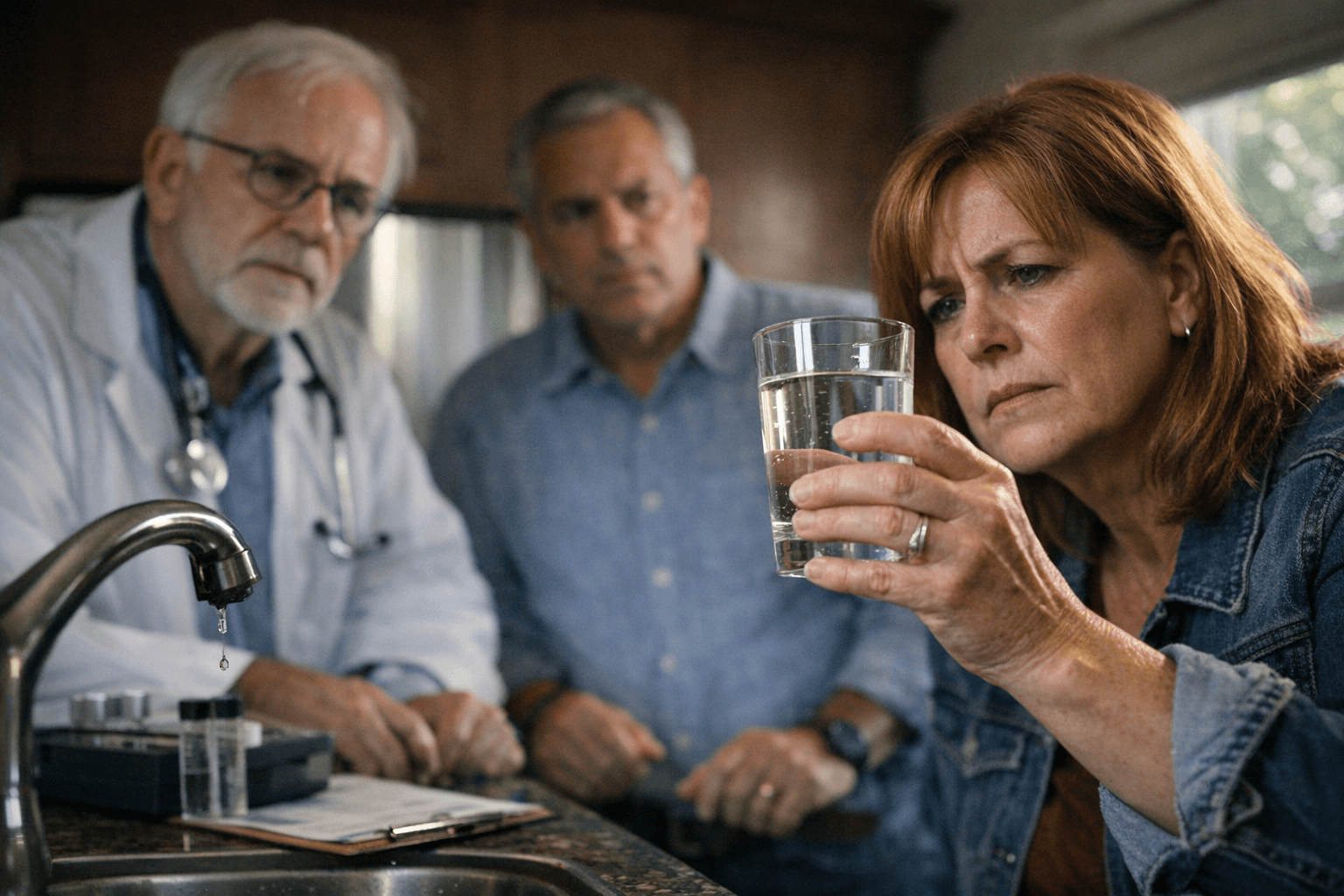
Federal scientists completed a toxicity assessment for perfluorononanoic acid, or PFNA, in April but the Environmental Protection Agency had not released the document as of mid December 2025. That delay prompted a coalition of North Carolina physicians and researchers to call on U.S. Representative Greg Murphy to push for its publication so state and local health officials can act on the latest findings.
PFNA is part of a class of persistent chemicals often called forever chemicals and it has been detected in drinking water systems across North Carolina and the country. Health and science leaders in the state say the formal EPA assessment is a central piece of evidence used to set health advisory levels, prioritize testing, and allocate resources for affected communities. Without the federal assessment in the public domain, officials face uncertainty about when to expand monitoring, how to communicate with residents, and what protections to seek from regulators.
For Wake County, the pause in publication carries practical consequences. Local water systems and public health agencies rely on federal toxicity assessments to determine testing priorities for municipal supplies and private wells, to recommend clinical screening when exposure is suspected, and to seek funding for treatment and remediation. Delay in clear federal guidance increases the burden on county officials to make precautionary decisions with incomplete information, a challenge compounded in neighborhoods with older infrastructure and limited resources.
The issue also raises questions of environmental equity. Communities with lower incomes and communities of color historically experience higher rates of water contamination and face greater barriers to testing and remediation. Public health experts argue that timely federal assessments are a baseline tool for ensuring those communities are not left behind when protections are developed.
Release of the EPA assessment would inform state level regulation, local monitoring strategies, and outreach to clinicians and the public. Until the document is published, Wake County residents and leaders must weigh precautionary measures against uncertainty, while pressing for transparency and support that reflects the unequal impacts of chemical contamination.
This article was produced by Prism’s automated news system from verified source data, official records, and press releases, then run through automated quality and moderation checks before publishing. The system is built and supervised by the people who set the standards it runs under. Read our full AI policy.
Did this article answer your question?