Wake County Won't Reinstate Meal of Shame Despite Soaring Meal Debt
Wake County schools will not bring back stripped-down "meal of shame" lunches despite unpaid meal balances rising to a projected $255,000, a decision affecting families and cafeteria budgets.
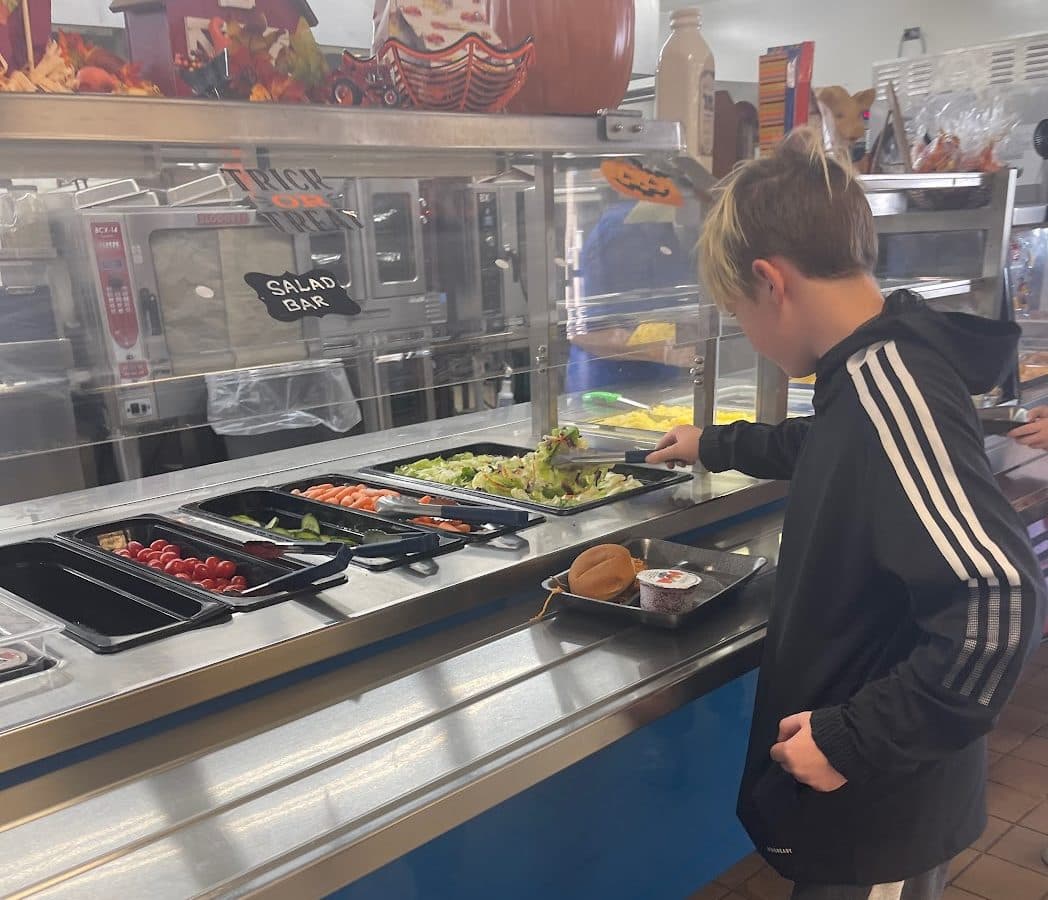
Wake County schools will not revert to serving stripped-down lunches for students with unpaid meal balances even as unpaid debt in the district has surged, school officials said. The decision preserves today's policy of allowing students to receive a main course, but it leaves officials grappling with growing deficits in the child nutrition program.
Students in Wake County have accumulated $152,000 in meal debt so far this school year, after more than $87,000 in donations toward those balances. If current trends continue, the district expects total unpaid meal debt to exceed $255,000 by year end. District leaders say donations no longer cover the cost of main-course meals for students who owe money; yet board members have resisted a return to the so-called "meal of shame" because they conclude stripped-down offerings do not provide adequate nutrition and risk stigmatizing students.
The child nutrition services department operates financially separate from general district funding, relying on its own revenues to cover costs. Officials reported that the department has struggled to balance its budget for several years, which has led to a string of meal price increases. Feeding students without full payment or offsetting donations would deepen the department's deficit and could force further price adjustments or service changes down the line.
A 2024 policy change created a districtwide Angel Fund intended to cover meals with main courses for students in debt, prompting the end of the "meal of shame" practice at that time. That fund has since been overwhelmed by the recent jump in meal debt. District leaders plan to return with an update at the end of the school year, and the school board will consider options to address the shortfall. Potential approaches under discussion include repurposing other district funds, identifying new revenue sources, or adopting alternative measures to cover unpaid meal costs.
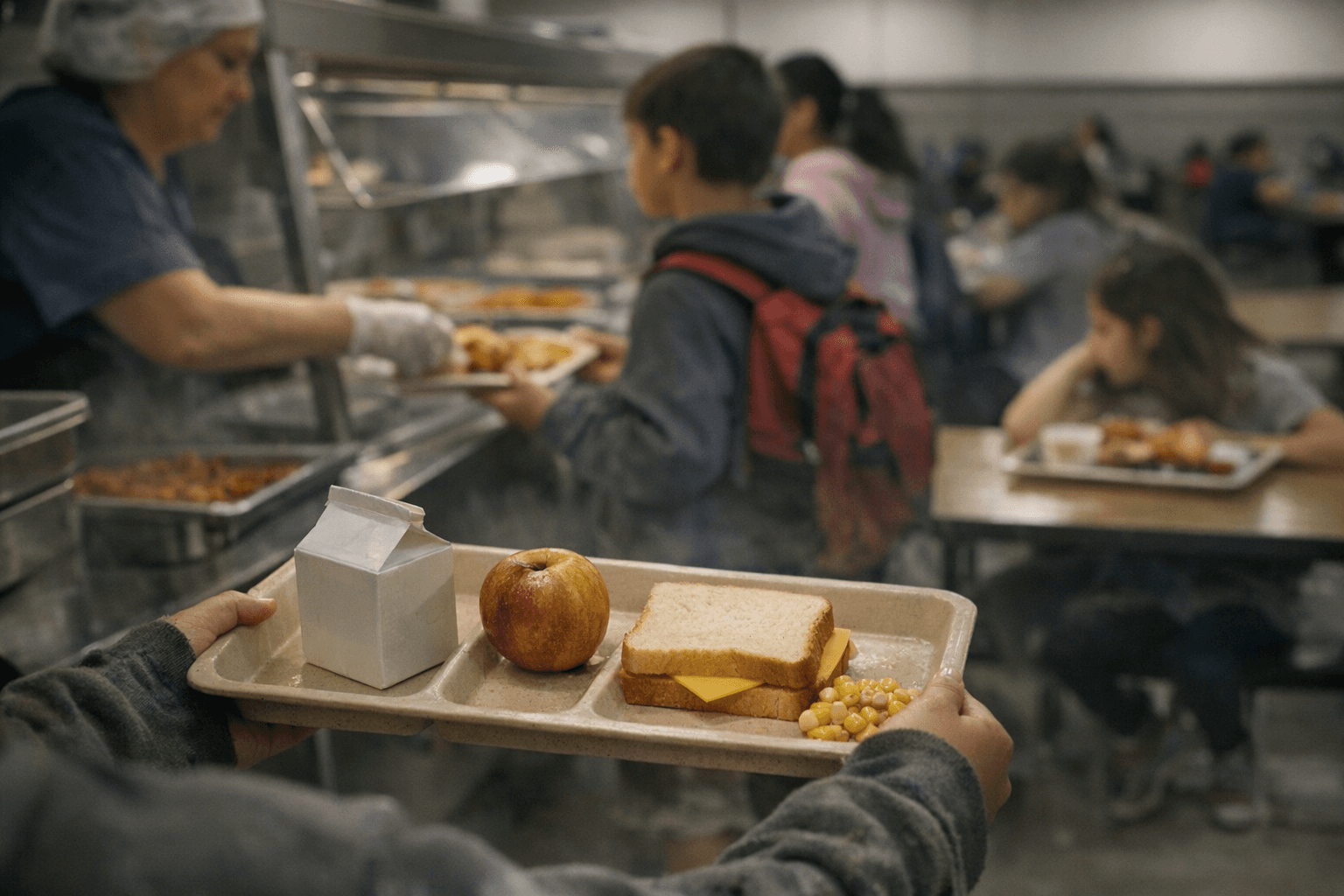
For families, staff and school nutrition workers, the dispute sits at the intersection of child welfare and fiscal constraints. The majority of students carrying meal debt - about 85% - are not enrolled in the free or reduced-price meal program, a fact that complicates outreach and assistance efforts aimed at households who fall behind on cafeteria accounts. For cafeteria staff, absorbing unpaid meals strains daily operations and long-term planning as supplies and staffing are budgeted to expected revenue.
What comes next will matter for household budgets and the look and feel of school cafeterias across Wake County. The board's current stance avoids reinstating a practice many view as punitive, but it also places pressure on district leaders to find sustainable funding or policy changes before the school year ends. Parents and community members should watch for the district's end-of-year report and any proposals the board advances to close the meal debt gap.
This article was produced by Prism’s automated news system from verified source data, official records, and press releases, then run through automated quality and moderation checks before publishing. The system is built and supervised by the people who set the standards it runs under. Read our full AI policy.
Did this article answer your question?