Wake Forest holds public open house as town develops Sustainability Plan
The Town of Wake Forest hosted two drop in open house sessions on December 4 to share its town wide Sustainability Plan process and gather resident input. The planning effort will produce a greenhouse gas inventory, climate vulnerability assessment, goals and recommended strategies that could shape municipal investments and local resilience efforts.
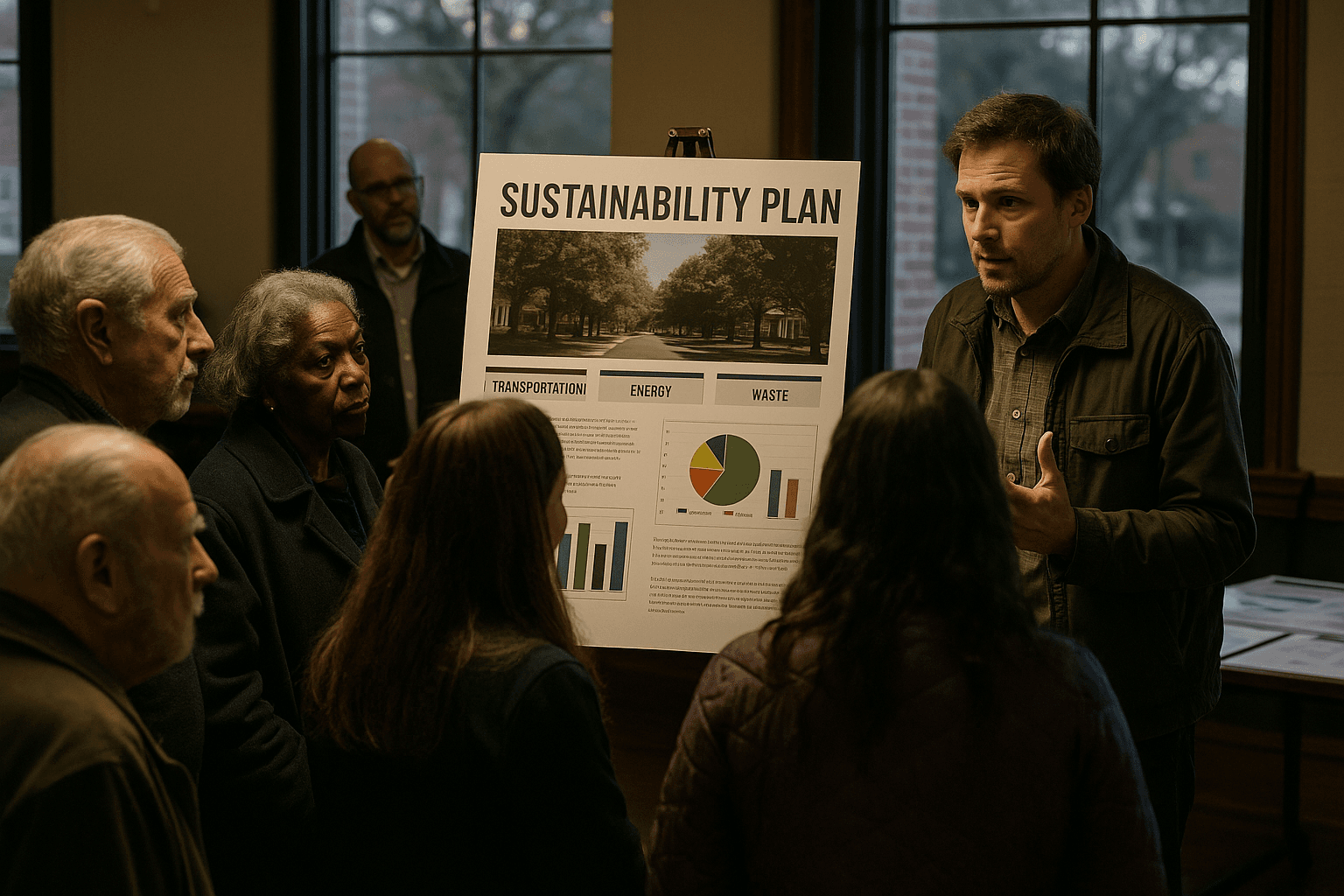
Wake Forest held two public drop in sessions at the Wake Forest Center for Active Aging on December 4 as the town advances a formal Sustainability Plan aimed at guiding local climate and resilience policy. Town staff and consultants from Blue Strike Environmental were present to outline the planning timeline, share initial technical work and solicit community feedback on goals and priorities.
The plan will include an existing conditions analysis, a greenhouse gas inventory, a climate vulnerability assessment, goals development and recommended strategies for city operations and the broader community. Officials described the effort as a framework for coordinating future policy decisions, capital projects and community engagement around emissions reduction, emergency preparedness and long term resilience.
Public participation featured prominently at the sessions, with town staff and consultants available to answer questions and explain how residents can continue to shape the plan. Community input at this stage is intended to inform which strategies rise to the top for implementation and which neighborhoods or systems may require targeted attention in follow up work. The town has signaled that the planning process will guide subsequent decisions about resource allocation and program priorities, making resident feedback consequential for how the plan is finalized.
For Wake County residents, the Sustainability Plan carries practical implications for transportation projects, land use planning, stormwater management and municipal service delivery. A greenhouse gas inventory will establish a baseline for any future emissions targets, while the vulnerability assessment will identify local assets at risk from extreme weather and other climate impacts, which can inform prioritization of infrastructure investments and grant seeking.
Next steps in the process include continued analysis by the consultant team, draft goals based on public input and additional opportunities for community review. Residents who participated at the Center for Active Aging were urged to stay engaged as the town develops recommendations that could affect policy and budget decisions in the years ahead.
Know something we missed? Have a correction or additional information?
Submit a Tip