Wake Forest traffic alert: East Wait Avenue downed power lines response
Learn what happened during the Jan. 12 East Wait Avenue closure, how officials responded, and how to use Wake Forest's traffic-alert page.
1. What happened on East Wait Avenue
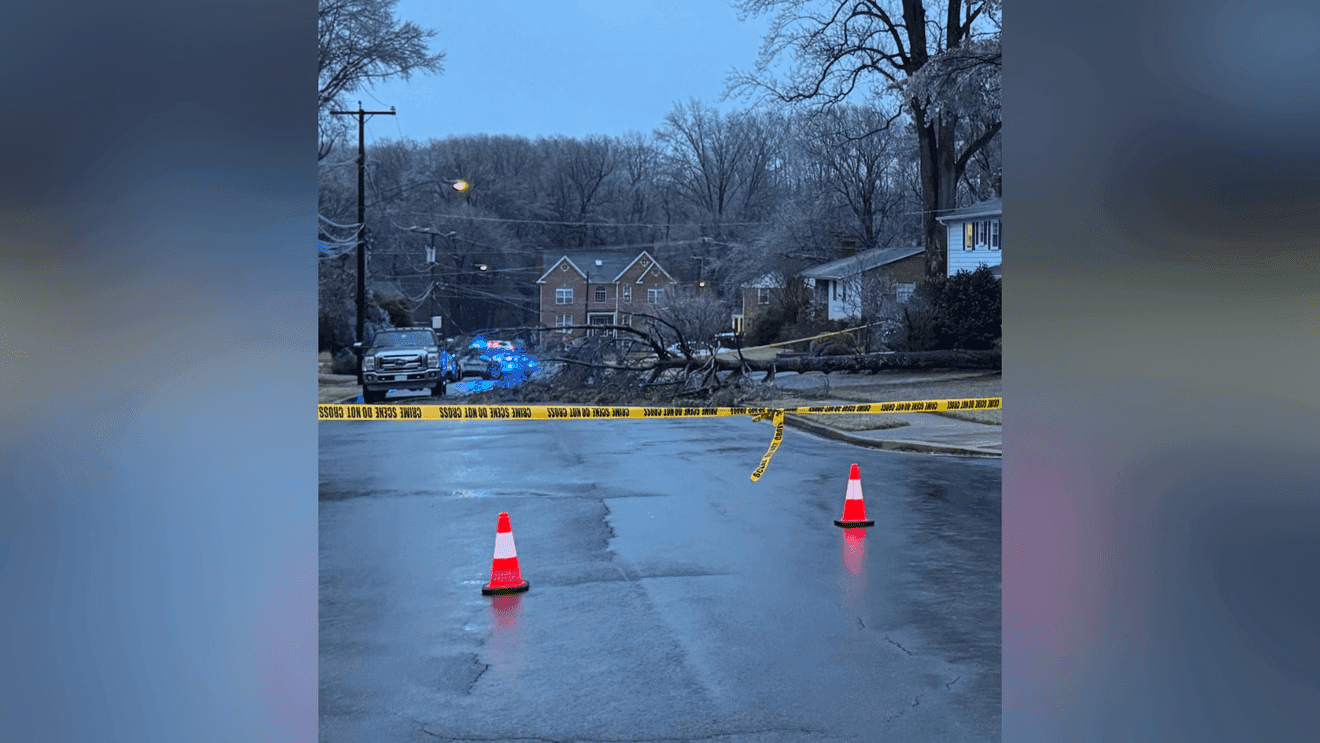
On Jan. 12 the Town of Wake Forest posted a traffic alert reporting that East Wait Avenue was closed between Franklin Street and Allen Road because of downed power lines. The closure removed a key local connector for drivers and required on-the-ground management while crews assessed and mitigated the hazard. This incident highlights how a single utility failure can disrupt routine travel and trigger an immediate municipal response.
2. The advisory issued to motorists
The town advisory instructed drivers to avoid the area and follow posted detours while crews worked. The advisory language was explicit: "The advisory instructed motorists to avoid the area and follow posted detours while utility crews and public-safety personnel worked on the scene." That clear guidance matters: it reduces secondary incidents, helps first responders, and shapes how residents experience the outage in real time.
3. Who worked the scene
Utility crews and public-safety personnel were on site addressing the downed power lines and managing traffic flow. Their coordinated presence is the operational backbone of any such response, combining electrical hazard mitigation with traffic safety and public-order responsibilities. The visible cooperation between utilities and public safety reassures residents but also raises governance questions about preparedness and resource allocation.
4. When the road reopened
The town later updated the alert to say "East Wait Avenue had reopened," and the update timestamp on the alert indicated reopening at about 4:45 p.m. That follow-up notice closed the information loop for commuters and businesses affected by the closure. Precise reopen times matter for planning: they allow employers, transit providers and families to adjust schedules and measure response speed.
5. The role of the town traffic-alert page
The town’s traffic-alert page collects similar timely notices and updates residents on closures, utility work and road reopenings. That central feed functions as the official channel for situational updates and, when used effectively, increases transparency and public trust. Consistent posting, accurate timestamps and clear detour information are the metrics residents expect from that page.
6. Local impact and community significance
Closures like this change commute patterns, can delay deliveries, and may affect access for emergency services and local businesses while crews are working. Even a single-day closure forces residents to reroute, altering traffic volumes on parallel streets and potentially increasing congestion elsewhere. For a town that balances neighborhood character with growing traffic demands, these events underscore the everyday stakes of utility reliability and roadway management.

7. Policy and institutional implications
The incident points to policy questions about infrastructure resilience, interagency coordination and notification protocols. Voters and council members should consider whether current funding, staffing and communication tools are adequate to keep pace with outages and hazards. Tracking response times, investing in proactive tree trimming and utility maintenance, and ensuring interoperable communications between municipal departments and private utilities are governance priorities that determine future outcomes.
8. Civic engagement and accountability
You can use this event to press for clearer performance measures from elected officials and utility providers. Attend meetings, request after-action summaries, and ask how outage response is evaluated and funded. Holding public officials accountable for communication clarity and operational readiness is part of steady civic oversight and helps ensure scarce municipal resources are directed toward demonstrable improvements.
- Sign up for the town’s traffic-alert notifications and follow official social accounts for real-time updates.
- Respect posted detours and avoid the work zone to keep crews and responders safe.
- Report downed lines or hazards immediately to the utility and public-safety contacts listed on municipal pages.
9. Practical actions residents can take right now
These steps reduce risk and make the townwide response more effective.
10. Recommendations for local officials and residents
Wake Forest can strengthen community resilience by tightening timestamp accuracy on alerts, offering geotargeted push notifications for affected neighborhoods, and publishing short incident summaries after major closures. Residents should factor communication performance and infrastructure stewardship into civic conversations and voting decisions. Clearer, faster information and sustained investment in utilities and right-of-way management make routine travel more reliable and public safety responses more effective.
11. Closing practical wisdom
When a street closes, timely information is as valuable as cleared pavement. Use the town’s traffic-alert page as your primary source, follow posted detours, and bring questions about response and preparedness to local leaders, those conversations shape how well Wake Forest handles the next unexpected outage.
Know something we missed? Have a correction or additional information?
Submit a Tip