Wake Forest Water Main Break Closes East Chestnut Avenue, Disrupts Traffic
Raleigh Water crews responded to a water main break at the intersection of East Chestnut Avenue and Mill Street on December 6, prompting a road closure and signed detours while repair work proceeded. The incident highlights the immediate community impact of aging utility infrastructure and raises questions about maintenance planning, communication, and funding for local water systems.
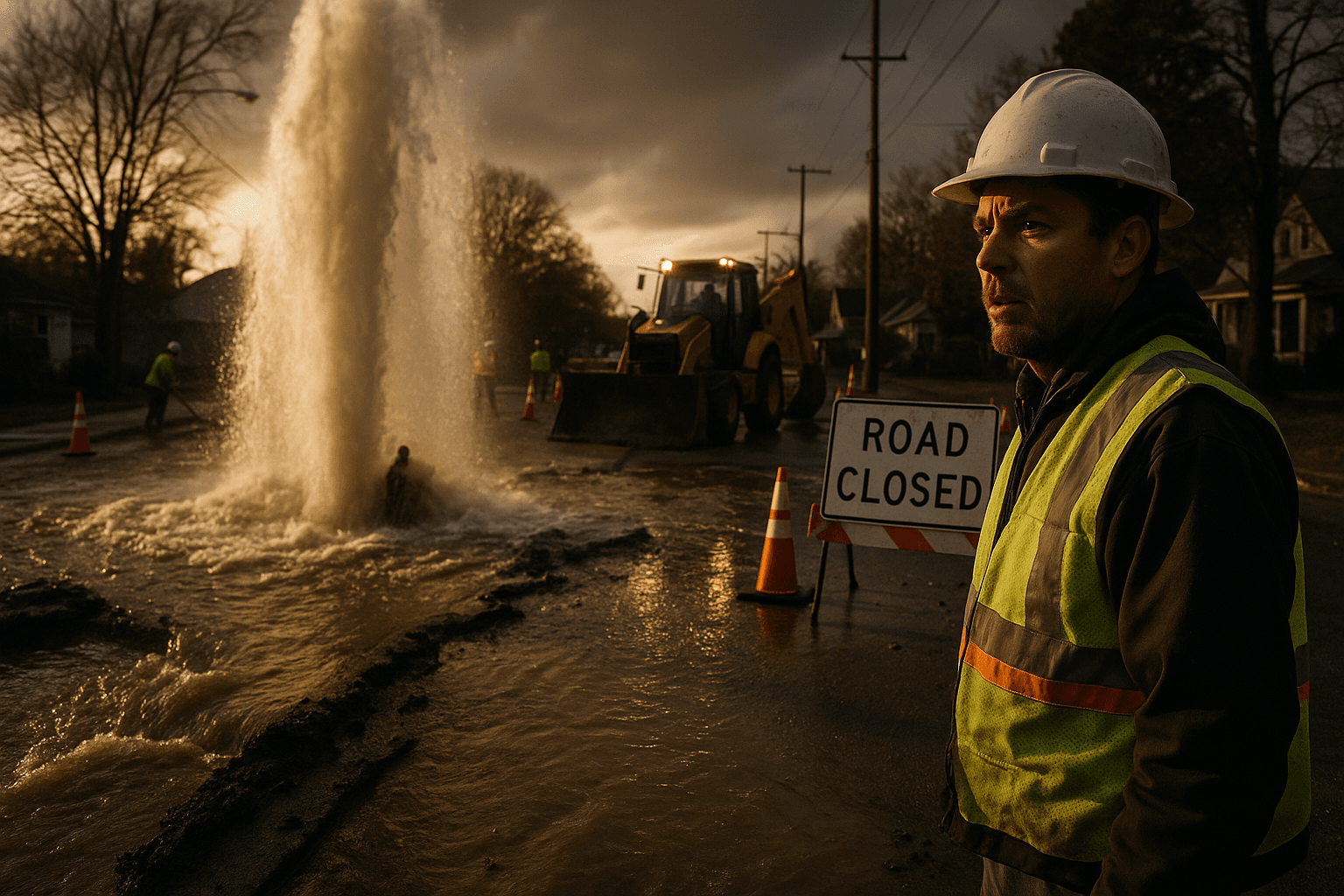
On December 6, Raleigh Water crews worked at the site of a water main break at East Chestnut Avenue and Mill Street in Wake Forest. To protect workers and secure the repair area, East Chestnut was closed at the Mill Street intersection and signed detour routes guided motorists around the site. The town posted detailed eastbound and westbound detour directions and advised drivers to use alternate routes while repairs continued. The repair was expected to be completed the same day by 5 p.m.
The closure interrupted normal traffic flow on a corridor used by residents, local businesses, and service vehicles. Temporary detours can increase travel times, complicate deliveries and commuting patterns, and pose challenges for time sensitive services. For municipal leaders and utility managers, the episode underscores the operational demands of maintaining water infrastructure in growing communities, and the need for clear, timely information when disruptions occur.
Raleigh Water and town officials moved quickly to secure the scene and notify the public, indicating effective incident response procedures. The advisory and posted detours reflect basic communication protocols, but the event invites broader scrutiny of infrastructure resilience. Water mains are critical public assets, and unplanned failures can reveal gaps in capital investment, routine inspection programs, or system capacity planning. Residents depend on predictable service and transparent planning from both the utility and elected officials who set budgets and priorities.
For policymakers, the break is a reminder that routine maintenance and investment decisions have direct effects on daily life. Funding choices made at town hall influence the frequency of repairs, the speed of emergency response, and long term system reliability. Voters and community members may wish to raise questions about inspection schedules, replacement timelines, and how the town coordinates utility work with traffic management to minimize community disruption.
The December 6 repair was resolved within the expected timeframe, but the incident provides a concrete example of how local infrastructure decisions translate into neighborhood experiences. Continued public engagement on utility planning and municipal budgeting will shape whether similar incidents become less frequent in the years ahead.
This article was produced by Prism’s automated news system from verified source data, official records, and press releases, then run through automated quality and moderation checks before publishing. The system is built and supervised by the people who set the standards it runs under. Read our full AI policy.
Did this article answer your question?