Wake freshman cleared after AI accusation, urges clearer district rules
A Green Hope freshman was flagged by three AI detectors, then later earned a 100% from another teacher, fueling calls for clearer Wake rules.
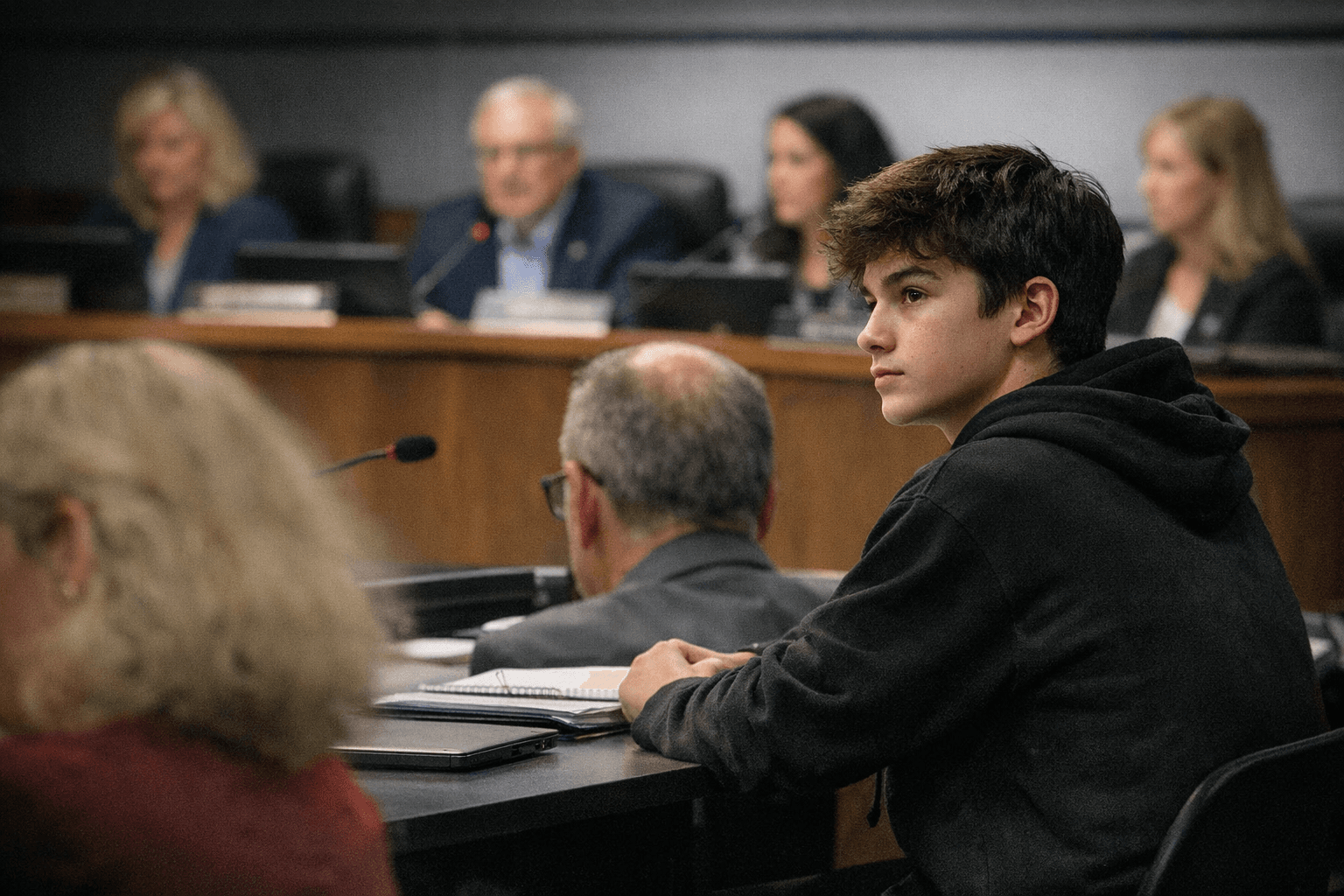
A Green Hope High School freshman says a machine’s guess nearly turned into a permanent school record, and her family now wants Wake County to set firmer rules before the same thing happens to another student.
Eleanor Canina, a freshman in Cary, was accused of using artificial intelligence on an English I assignment after three different AI-detection tools flagged her work, according to the family’s account. The first teacher gave the assignment a zero or failing grade and wrote a note that said, “evidence of AI, Please redo.” A second teacher later reviewed the work and gave Canina a 100%, clearing her on the assignment.
For Canina and her mother, Stacy De Coster, the fight is about more than one grade. They say the accusation showed how quickly a student can be judged when a detector is treated as proof instead of a warning sign. The family wants Wake County Public Schools to spell out when, or whether, AI detectors should be used at all, and what evidence should be required before a student is accused of cheating.
Their case landed as Wake County was still building district-wide AI rules. The Wake County Board of Education began the first of a series of AI policy work sessions in September 2025, and multiple reports said the district did not yet have a formal AI policy during those discussions. That left teachers with broad discretion at the classroom level, even as generative AI became more common in schoolwork.
North Carolina’s Department of Public Instruction had already moved ahead with statewide guidance in January 2024. The agency described North Carolina as the fourth state education department in the nation to issue AI guidance for schools, and its guidebook made one point clear: “Humans must always be in the loop to ensure fair and equitable treatment of student work.” It also strongly warned against relying on AI detectors to prove cheating, noting that the tools can produce false positives.
That warning is at the center of Canina’s case. Her family says the episode should push Wake County to create clearer standards so students are not punished by an automated tool’s mistake. It is also part of a larger question facing classrooms across Wake: how to protect academic integrity without letting an algorithm decide a student’s honesty, grade or record.
For Wake leaders, the challenge is now a matter of fairness as much as policy. Until the district sets clear standards, the gap between suspicion and proof will remain wide enough to harm students first and sort out the facts later.
Know something we missed? Have a correction or additional information?
Submit a Tip