Wake Monarch founders warn of 7-OH dangers after son's death
A Wake Monarch Academy family says 7-OH was easy to buy at vape and gas-station counters before their 28-year-old son died, fueling a new push for reform.
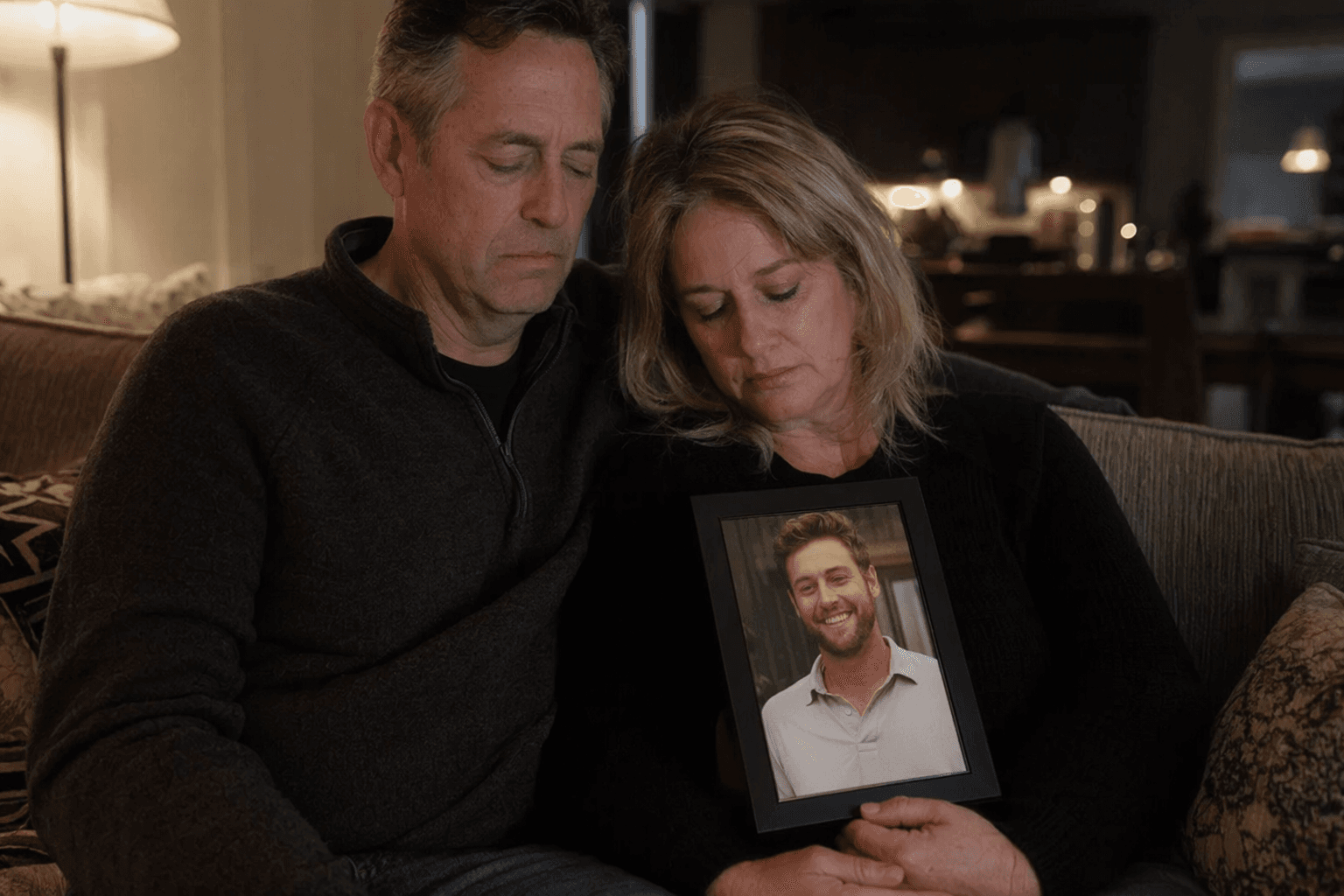
Jimmy and Leah Wright, the founders of Wake Monarch Academy in Raleigh, said the death of their 28-year-old son exposed how a dangerous kratom-derived product could be bought with little friction at vape shops and gas-station counters. Their family’s loss has now collided with the recovery school they built in Wake County, turning private grief into a public warning.
Carrson Kase Wilson had been in recovery for years after earlier substance abuse struggles, the Wrights said, but he ran into 7-OH in January while looking for relief from back pain. By late March, he had asked his parents for help because detox was extremely difficult. The Wrights said the substance played a central role in his decline and death, and Wake Monarch Academy now says it is creating a Carrson Kase Wilson Memorial Scholarship Fund at the family’s request.
The case has resonated locally because Wake Monarch Academy, which opened in 2021, is described as the Triangle’s first recovery-focused high school. For the Wrights, the issue is no longer abstract policy. It is about a product they say sat in plain sight in ordinary retail settings while families assumed the risk was low or misunderstood what 7-OH could do.
Kratom products are commonly sold as tablets, capsules and extracts, and they remain legal for adults 18 and older even as health officials scrutinize their stimulant and sedative effects. The federal Controlled Substances Act does not currently list kratom as a controlled substance, a gap that has helped keep products on shelves. In Apex, Mayor Jacques Gilbert has pushed for stronger packaging rules and other restrictions, reflecting growing concern in Wake County communities about how easily the products can be obtained.
State lawmakers have also moved toward tighter rules. House Bill 468, filed March 20, 2025 by Rep. Jeff McNeely and others, would regulate kratom sales and require licenses for manufacturers, distributors and retailers. A later committee substitute would go further, barring sales to anyone under 21 and requiring age verification. The proposal puts North Carolina among states weighing whether a product sold so casually should face the same guardrails as other age-restricted substances.
The public-health backdrop is stark. A March 26, 2026 report from the Centers for Disease Control and Prevention found kratom-related poison-center exposure reports climbed from 258 in 2015 to 3,434 in 2025, an increase of about 1,200 percent. Over 11 years, poison centers logged 14,449 kratom exposure reports, many involving males and adults ages 20 to 39. North Carolina’s Office of the Chief Medical Examiner had also documented hundreds of kratom cases over the previous decade, adding weight to a debate now shaped by one Wake County family’s loss.
This article was produced by Prism’s automated news system from verified source data, official records, and press releases, then run through automated quality and moderation checks before publishing. The system is built and supervised by the people who set the standards it runs under. Read our full AI policy.
Did this article answer your question?