Wake STEM students win C-SPAN prize for youth democracy documentary
Three Wake STEM students earned a C-SPAN prize for a film on why young voters stay home, turning a Cary classroom project into a national civic story.
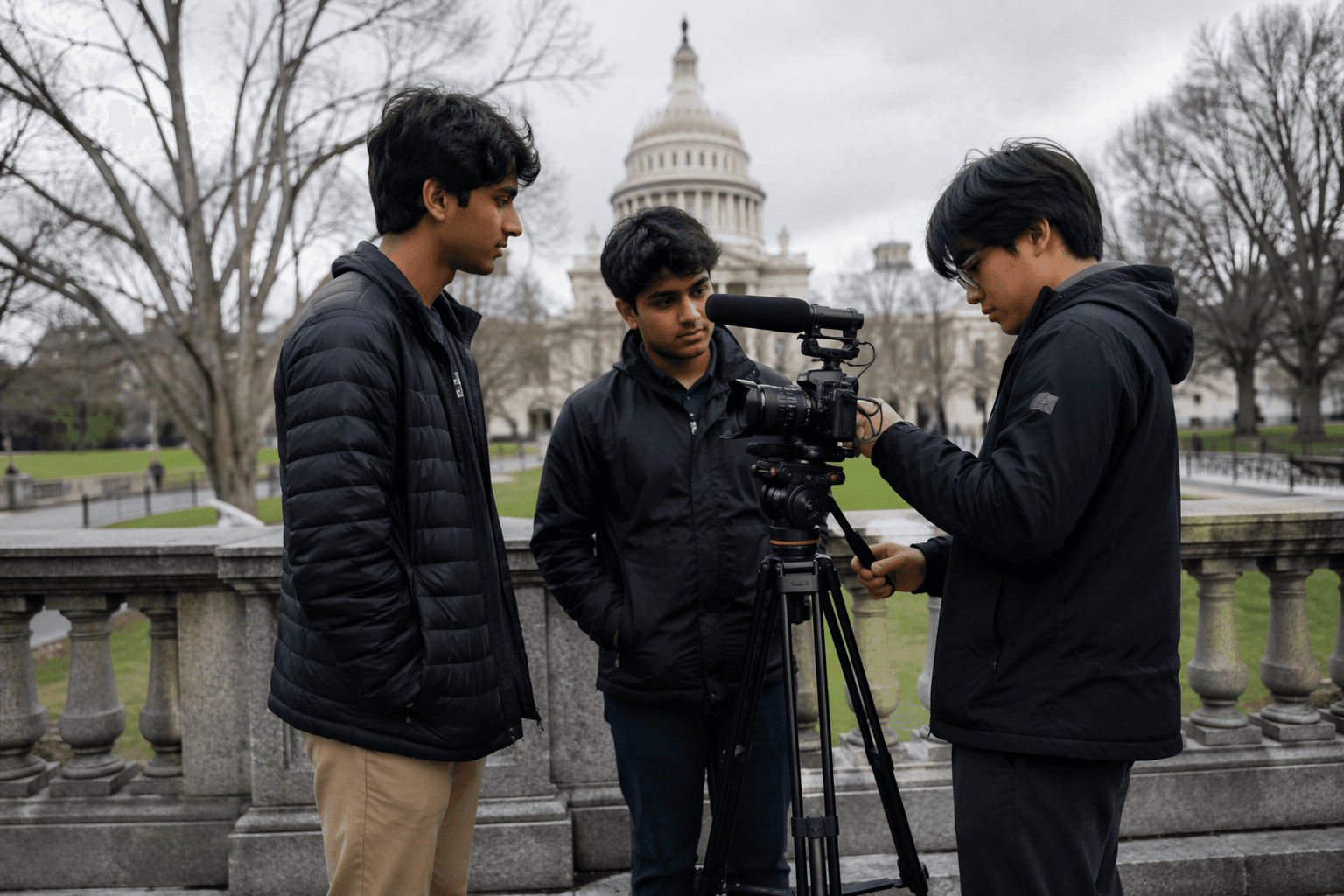
Three Wake STEM Early College High School students in Cary won 3rd Prize in the High School Eastern Division of C-SPAN’s 2026 StudentCam competition for a documentary that asks why millions of young Americans are not showing up at the ballot box.
Salem Safadi, Samuel Evans and Sergio Ortiz Lugo made “The Uncounted Voice: Youth, Democracy, & the Ballot Box,” and C-SPAN said the team will split $750 in prize money. The win placed the Wake County Public School System students among finalists in the 22nd annual StudentCam contest, which drew entries from nearly 4,000 students from the United States and abroad.
The documentary’s description takes aim at a problem that reaches far beyond a school project. It argues that in a nation built on the idea that government derives power from the consent of the governed, low turnout among young Americans weakens democracy and affects the future of public decisions. For Wake County families, that subject lands close to home: voting patterns shape schools, transportation, housing, taxes and the political choices that define Cary, Raleigh and the rest of the county.
Wake STEM Early College High School is built around that kind of academic connection to public life. The school serves grades 9-13 and gives students the chance to take high school and university courses, with university classes tuition-free and counted on both high school and college transcripts. Its partnership with NC State University also gives students access to a college setting while still in high school, with projects and internships designed to push them toward college and career readiness.
The award also fits a larger statewide push for civic and STEM education. Gov. Josh Stein proclaimed April 2026 as STEM Education Month in North Carolina and previously marked March 10-14, 2025 as North Carolina Civic Learning Week. In Wake County, that mix of science, research and public-issue reporting gives the student filmmakers a model other schools may want to study: let students investigate a real civic problem, build the media literacy to explain it, and then put their findings in front of a national audience.
For a Cary school working inside a public university partnership, the prize is more than a trophy. It is a reminder that student journalism can still do what strong civic education should do best: identify a local generation gap, explain why it matters, and give young people a voice in the democratic system they will inherit.
This article was produced by Prism’s automated news system from verified source data, official records, and press releases, then run through automated quality and moderation checks before publishing. The system is built and supervised by the people who set the standards it runs under. Read our full AI policy.
Know something we missed? Have a correction or additional information?
Submit a Tip