Woman Arrested Sleeping in NC State Chancellor’s Home Charged with First-Degree Burglary
Woman arrested after being found sleeping in NC State chancellor's residence; raises campus safety concerns for Wake County residents.
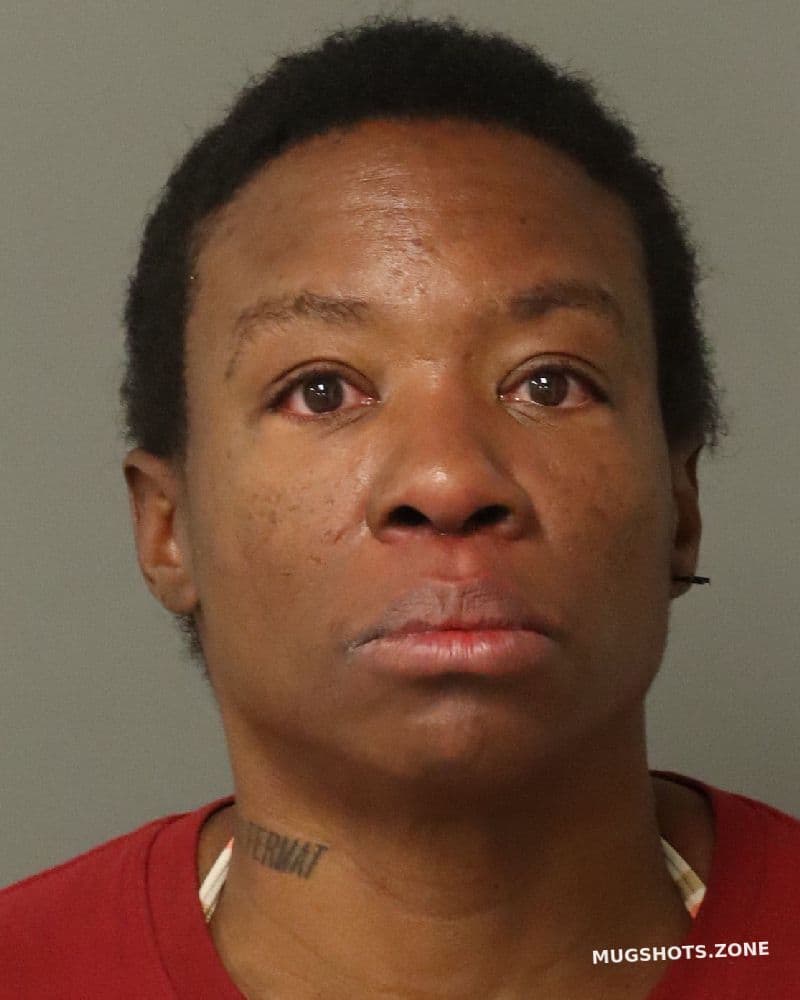
A Fayetteville woman was arrested after she was found sleeping inside the residence of NC State’s chancellor on Main Campus Drive, prompting calls for renewed attention to security at university-owned homes in Wake County. Maya McKenzie Barbour was taken into custody on Jan. 26 and charged with first-degree burglary, court papers and university statements show.
University officials confirmed Chancellor Kevin Howell was at the home at the time of the incident. According to court records cited in local coverage, Barbour entered the residence unlawfully and was located asleep inside. NC State Police arrested Barbour shortly after officers were called to the scene. She was booked into the Wake County Detention Center and ordered not to return to campus without authorization. Local outlets report prior contacts between Barbour and law enforcement in Cumberland and Wake counties.
The immediate public-safety consequence is clear for people who live, work, or study near NC State’s core campus: an unauthorized entry into a senior administrator’s residence, with the occupant present, exposes gaps in protective measures for high-profile campus properties. For classroom-building users and nearby homeowners, the incident underscores the perimeter challenges of a dense university neighborhood where public streets, footpaths, and residential lots meet institutional property lines.
Beyond the single arrest, there are practical budgetary and policy implications for the university and Wake County. Universities often respond to such events by reviewing access controls, re-evaluating staffing for campus police, and investing in electronic locks, lighting, or surveillance on official residences. Those measures carry recurring costs and can factor into campus safety budgets already under pressure from inflation and rising personnel expenses. Any decision to expand security at the chancellor’s house or other official properties will weigh those costs against reputational and liability risks that can affect student recruitment and donor confidence.

The episode also intersects with broader community concerns about mental health and repeat contacts with law enforcement. Local law-enforcement records showing prior contacts in Cumberland and Wake counties highlight how single incidents can reflect a mix of criminal-justice and social-service issues. Municipal and campus leaders will likely be asked to consider both enforcement and outreach options as they shape responses.
For Wake County residents, the takeaway is both immediate and forward-looking: expect NC State and campus police to provide more information about access restrictions and safety protocols near Main Campus Drive, and watch for any changes to residence security or community policing plans. The case against Maya McKenzie Barbour will proceed through the Wake County system, and officials will face decisions about how to balance visible security upgrades with community openness in a neighborhood central to Raleigh life.
This article was produced by Prism’s automated news system from verified source data, official records, and press releases, then run through automated quality and moderation checks before publishing. The system is built and supervised by the people who set the standards it runs under. Read our full AI policy.
Did this article answer your question?