A Practical Guide to Yuma County's Top Historical Sites
This guide helps Yuma County residents and visitors plan visits to the county’s most‑visited historical sites, what to expect on site, and how to combine history with outdoor riverfront recreation. You will learn practical timing, accessibility and public‑health considerations, and how these sites connect to community wellbeing and local policy priorities.
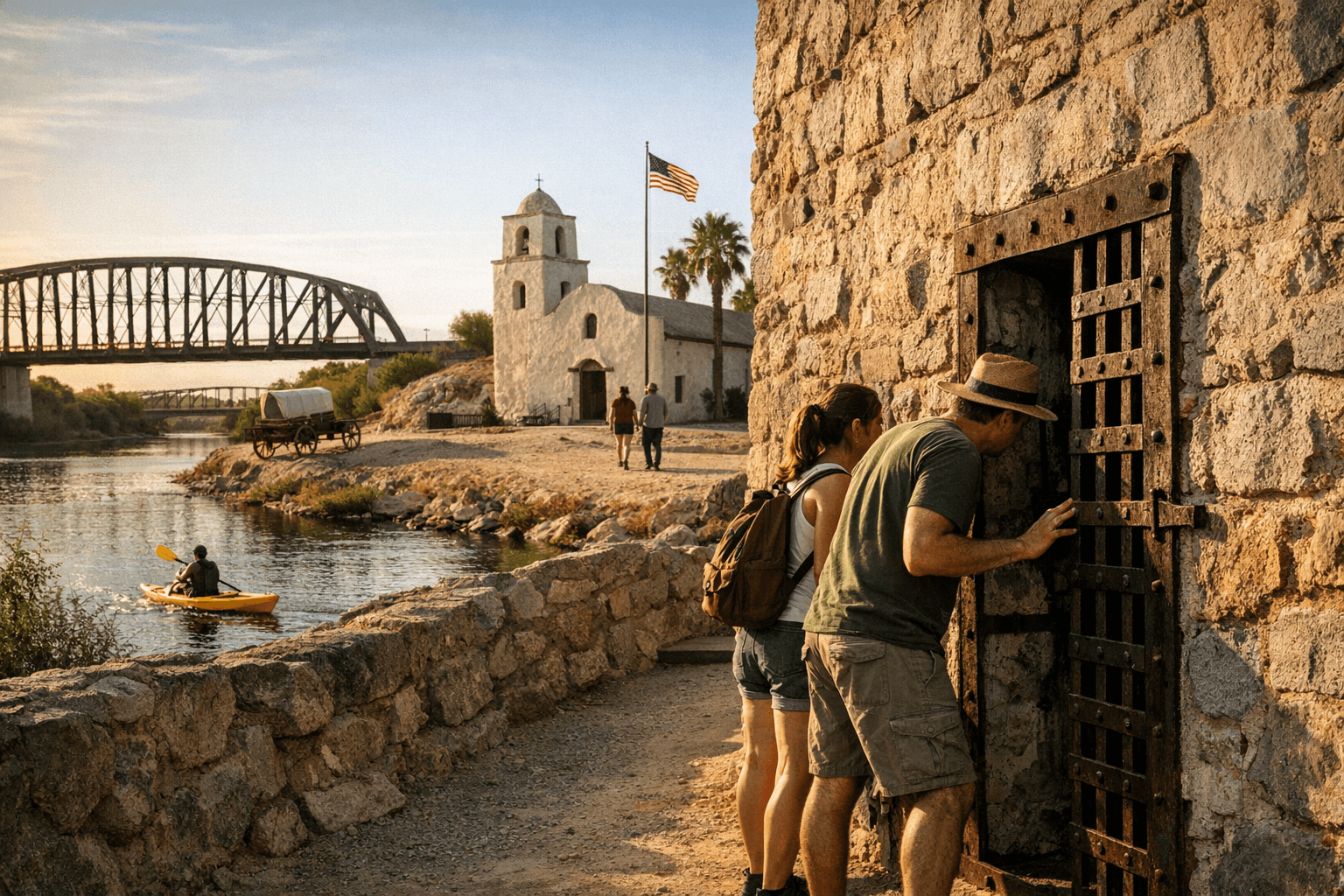
Yuma’s historic places are both cultural resources and community assets that shape local identity, tourism income, and public health considerations. Below are the key sites, what you should know before you go, and how each place matters to Yuma’s neighborhoods and civic life.
1. Yuma Territorial Prison State Historic Park (downtown Yuma)
The Territorial Prison is a must‑see for first‑time visitors interested in Arizona territorial history; expect preserved cellblocks, museum exhibits, and interpretive signs that explain 19th‑ and early‑20th‑century life in the prison. Plan at least an hour to move through the outdoor and indoor exhibits, but set aside more time if you want to read interpretive panels or join a scheduled program. Check seasonal hours and park rules before you travel because operating hours and special events change; if you have mobility needs, contact staff ahead of time to confirm accessibility options. Public health and safety considerations include sun exposure while walking between buildings and the potential for crowding during special events, so bring water and expect staff to manage visitor flow for safety.
2. Yuma Quartermaster Depot State Historic Park
Located near the Colorado River, the Quartermaster Depot preserves military depot buildings and offers exhibits on river and military history; there are walking areas along the riverfront that make it family‑friendly. The site often hosts living‑history demonstrations during special events that can deepen community understanding of Yuma’s role in regional logistics and transportation. For local families and schools, the depot is a hands‑on learning resource, but organizers should plan activities around seasonal operating hours and coordinate with site staff for group programming. From a community equity perspective, continued support for educational programming ensures underserved students have access to place‑based history and related field‑trip subsidies.
3. Historic downtown Yuma and the Gadsden Hotel
Downtown Yuma features a concentration of historic buildings, public murals, independent shops, and restaurants, anchored by the landmark Gadsden Hotel with its period architecture and interior details. Strolling downtown is an easy way to combine dining, shopping and history in one visit; allow time for window shopping, art stops, and a look inside the hotel’s lobby if public access is available. Downtown commerce supports local jobs and small businesses, so your visit contributes directly to the economic health of nearby neighborhoods; policymakers and business associations can strengthen this by investing in pedestrian safety, shaded walkways, and small‑business relief programs. Consider mobility and equity needs when planning a downtown visit, confirm accessible routes and restroom availability if you or someone in your party has mobility limitations.
4. Riverfront and Colorado River access points
The riverfront next to several historic sites offers trails, boat ramps, picnic areas, and places for short riverwalks that illustrate how the Colorado River shaped Yuma’s development and economy. Combine a museum visit with a riverwalk to connect historical narratives with the living landscape; these green spaces provide outdoor recreation that benefits mental and physical health. However, the river environment also requires attention to public safety and environmental stewardship, watch for posted regulations at boat ramps, supervise children near the water, and observe any advisories related to river conditions. Local public‑health messaging on sun protection, hydration, and water safety is important year‑round to reduce heat‑related illness and water accidents, especially for visitors who are unfamiliar with desert climates.
- Check official pages or call ahead for museum and park hours, guided‑tour schedules, and any temporary closures because many sites have limited winter or summer hours and schedules change seasonally.
- Bring water and sun protection year‑round; Yuma’s winter days are mild but afternoons can still be sunny, and winter visitors are not immune to dehydration or sunburn.
- If you’re planning a group visit or school trip, contact site staff in advance to ask about guided tours, accessibility features, and group rates, and inquire about available educational materials.
- Expect crowds during special living‑history events and festivals; plan arrival times early in the day when temperatures are cooler and foot traffic may be lighter.
- Be mindful of accessibility and equity: if family members need ramps, shaded seating, or sensory‑friendly options, request accommodations ahead of time so staff can prepare.
5. Practical planning and public‑health tips for visits
Community significance and policy considerations Yuma’s historic sites are more than tourist destinations; they are community anchors that intersect with public health, education, and local economies. Maintaining affordable access, inclusive programming, and physical accessibility should be policy priorities for local government and tourism agencies. Investing in shaded public spaces, hydration stations, multilingual signage, and school partnerships can reduce health risks and widen participation across Yuma’s diverse communities. By planning thoughtfully and supporting site staff and local policymakers, you help keep Yuma’s history accessible and safe for everyone.
This article was produced by Prism’s automated news system from verified source data, official records, and press releases, then run through automated quality and moderation checks before publishing. The system is built and supervised by the people who set the standards it runs under. Read our full AI policy.
Did this article answer your question?