AgTech opens Somerton biosolids site amid odor, fly complaints
Neighbors complain of odors and flies, while AgTech showed how its Somerton biosolids site works and said it buries material to cut nuisances.
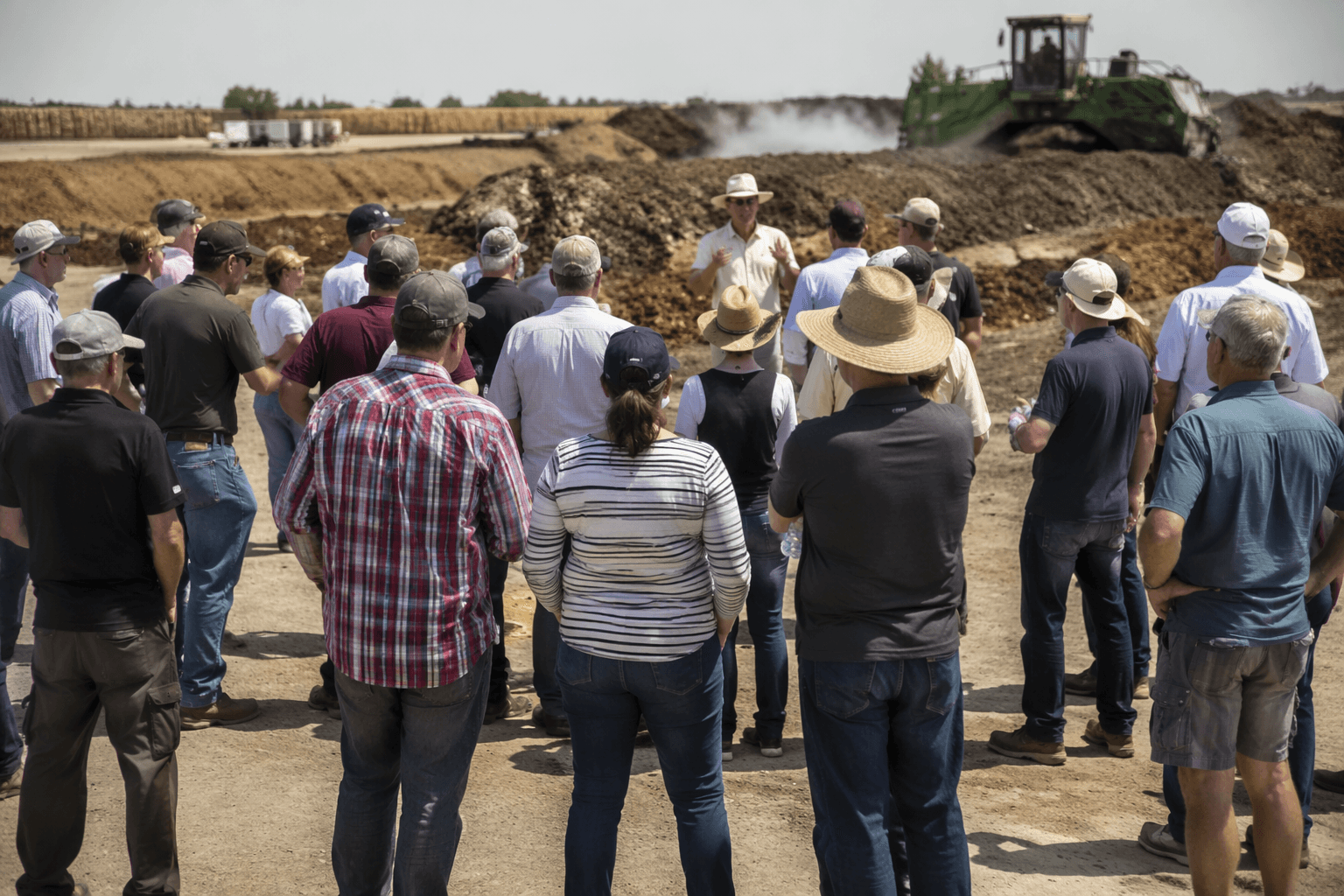
AgTech opened its Somerton-area biosolids site to reporters and elected officials as Yuma County residents kept pressing complaints about odors and flies, putting the operation’s controls and the county’s evidence under the same spotlight. The company walked visitors through the process from the moment material arrives by truck to the point it is processed and applied to farm fields.
At the site, company leaders said biosolids are treated byproducts of wastewater processing that are commonly used as fertilizer on farmland under state and federal rules. They said the material is injected below the soil surface rather than left exposed, a step they say reduces odors and limits the conditions that attract flies. AgTech also said it uses additional fly-control methods as part of daily operations.
Kevin Good, an operations manager who said he has worked for the company for 22 years, said the farm has 6,000 acres of farmable area on a ten-square-mile property and grows Sudan grass, oats and alfalfa that are baled for animal feed. Daniel Jackson, the compliance and operations manager, described the flow of trucks and the way the material is loosened with water before it is dumped and handled.
The tour came as county officials have escalated their criticism. In April 2026, Yuma County formally asked state officials to terminate AgTech’s lease, saying the operation was harming residents, agriculture and businesses. Yuma County Vector Control said it inspected six AgTech sites in early April and found no fly larvae during those inspections, but county leaders have said they have been working with state agencies on biosolids issues for five years and have pushed for legislative changes.
State and federal rules help frame the fight. The U.S. Environmental Protection Agency says land application means spraying, spreading, incorporating or injecting sewage sludge into or onto land to condition soil or fertilize crops or vegetation, and says the practice is common on agricultural land because it can improve soil properties and reduce demand for non-renewable resources. The Arizona Department of Environmental Quality says it registers land-application sites to prevent a public or environmental nuisance or an imminent and substantial endangerment to public health or the environment, and says only biosolids meeting pathogen-reduction, vector-attraction reduction and pollutant standards may be land applied.
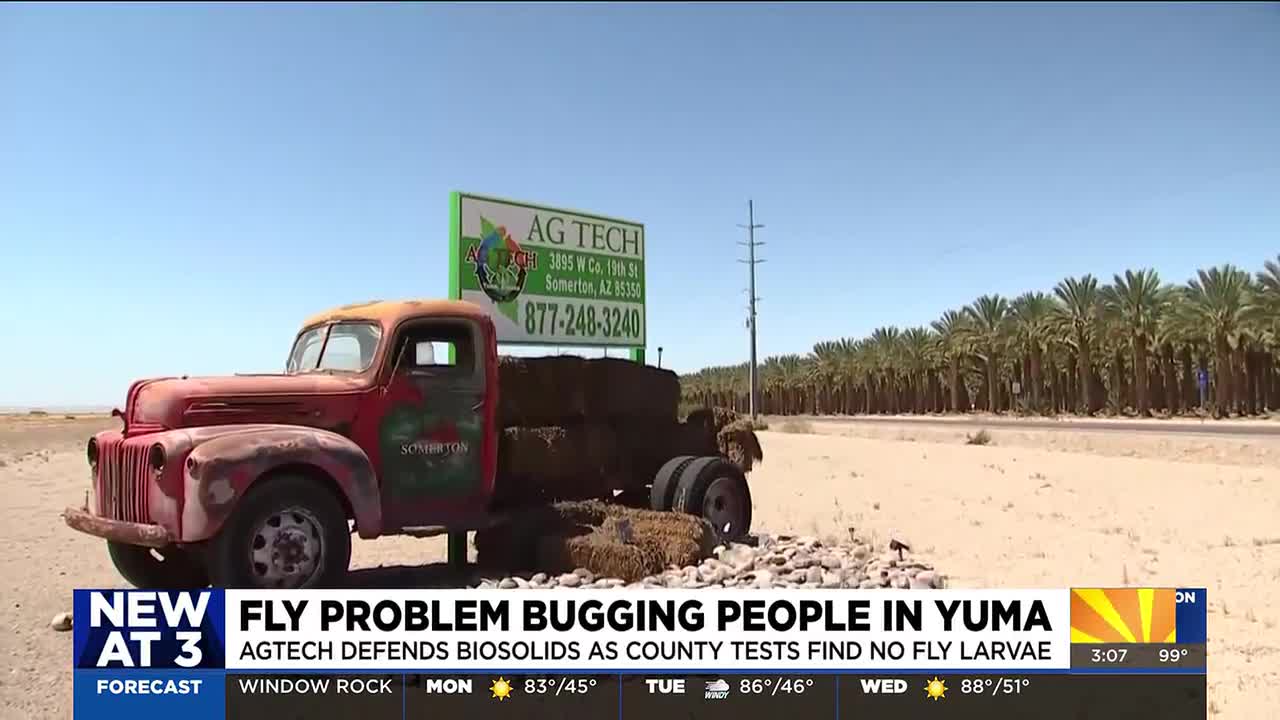
AgTech says it was founded in 1976, that the Magan family bought the company more than a decade ago, and that it and its subcontractors employ more than 100 full-time workers in Yuma. The company argues that because local farmers already rely on agricultural inputs from outside the region, the operation is part of a broader supply chain, not an outlier. For Somerton and surrounding south Yuma County neighborhoods, the dispute now turns on whether those controls satisfy regulators, or whether the county’s push for tougher action leads to new limits on where biosolids can go.
This article was produced by Prism’s automated news system from verified source data, official records, and press releases, then run through automated quality and moderation checks before publishing. The system is built and supervised by the people who set the standards it runs under. Read our full AI policy.
Know something we missed? Have a correction or additional information?
Submit a Tip