Arizona remains free of chronic wasting disease, Game and Fish says
Arizona stayed free of chronic wasting disease after Game and Fish tested 1,468 deer and elk last season, but hunters still need to report suspect animals and disinfect gear.

Arizona hunters heading into the field in Yuma County and beyond still have something to be thankful for: the state remains free of chronic wasting disease, the always-fatal nervous system disease that affects deer and elk. The Arizona Game and Fish Department said June 8 that testing during the 2025 hunt seasons turned up no cases, even as the disease keeps spreading across North America.
Game and Fish tested 1,468 mule deer, white-tailed deer and elk last year. Of those samples, 689 came from hunters who voluntarily submitted animals, 699 came through game processors and taxidermists, 80 came from vehicle collisions or other fatalities, and 14 came from animals harvested outside Arizona. Another 756 samples came from high-priority areas near states where chronic wasting disease has already been found.

The department has been testing for the disease in Arizona since 1998. That long-running surveillance matters because chronic wasting disease has now been detected in 37 states and five Canadian provinces. Delaware became the newest positive state in April 2026, and Arizona’s neighbors Utah, New Mexico, Colorado and California all have confirmed cases.
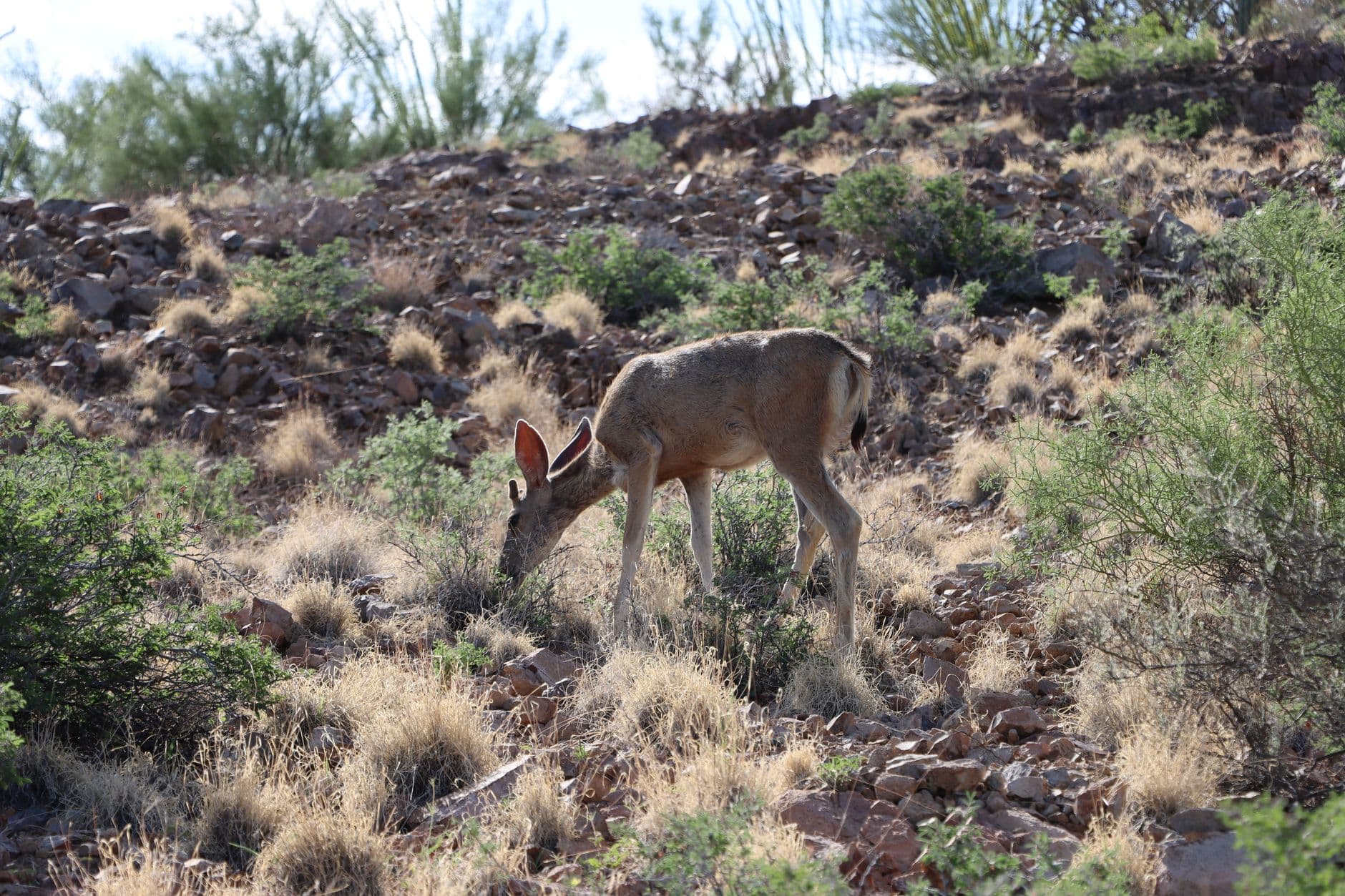
Game and Fish says the disease has not been documented to cause illness in people, but public health officials do not recommend eating meat from animals that test positive. For sportsmen who hunt outside Arizona, that means paying close attention to carcass rules before bringing anything home. Only packaged meat, quarters, cleaned skulls or finished taxidermy mounts should come into Arizona from out of state, and equipment should be disinfected after hunting in CWD-positive areas.
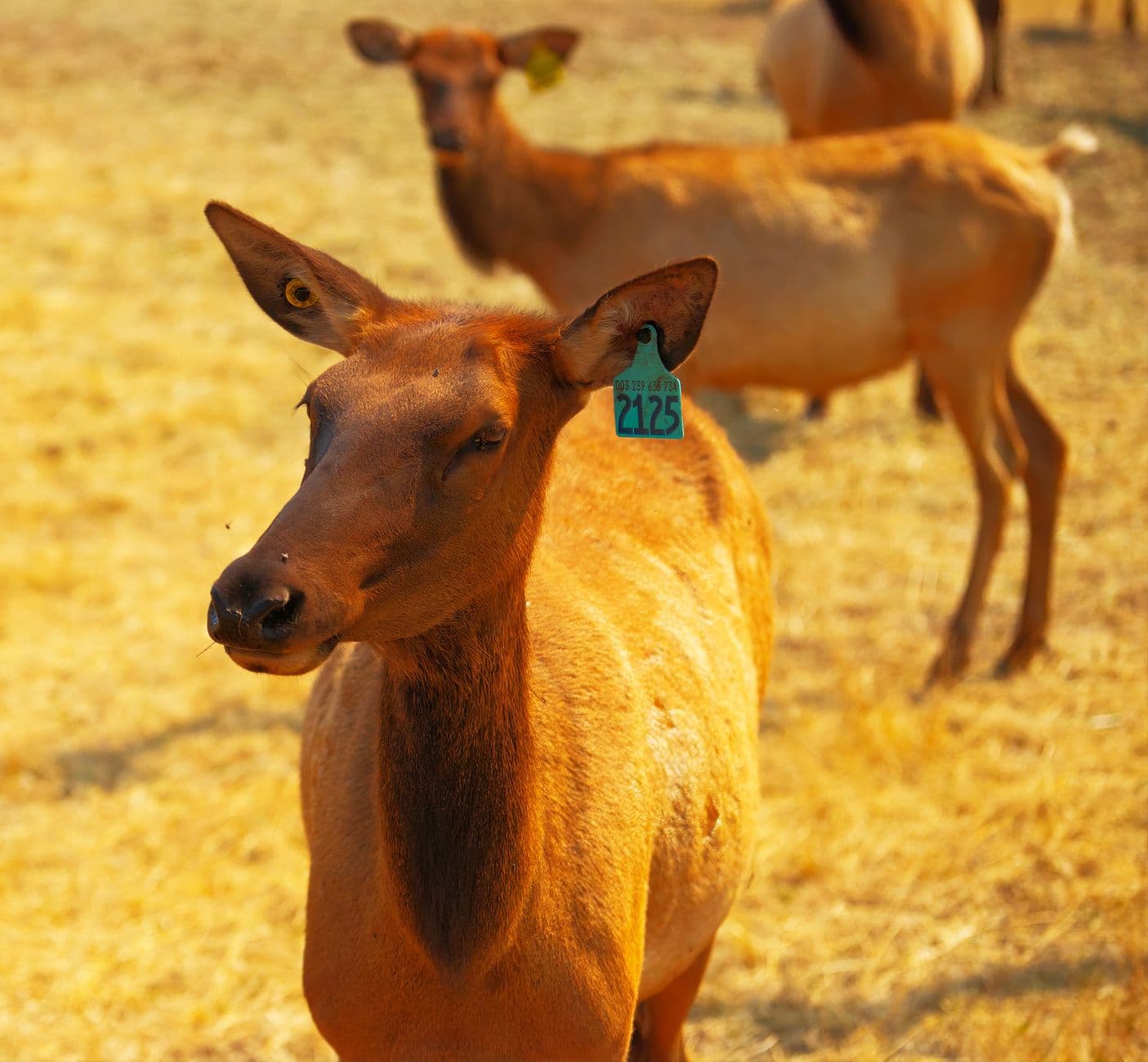

For Yuma County residents who hunt mule deer and elk or who stop by local processors and taxidermists after a trip, the message is straightforward: keep helping with sample collection and handle carcasses carefully. A positive case in Arizona would make that surveillance even more important, but for now the state’s deer and elk herds remain clear, and Game and Fish wants hunters to keep it that way.
This article was produced by Prism’s automated news system from verified source data, official records, and press releases, then run through automated quality and moderation checks before publishing. The system is built and supervised by the people who set the standards it runs under. Read our full AI policy.
Did this article answer your question?