Biggs pitches tax cuts, water plan at Yuma campaign stop
Biggs told Yuma voters he wants to zero out Arizona income tax and reopen the Yuma Desalting Plant, a pitch aimed at a county built on water.
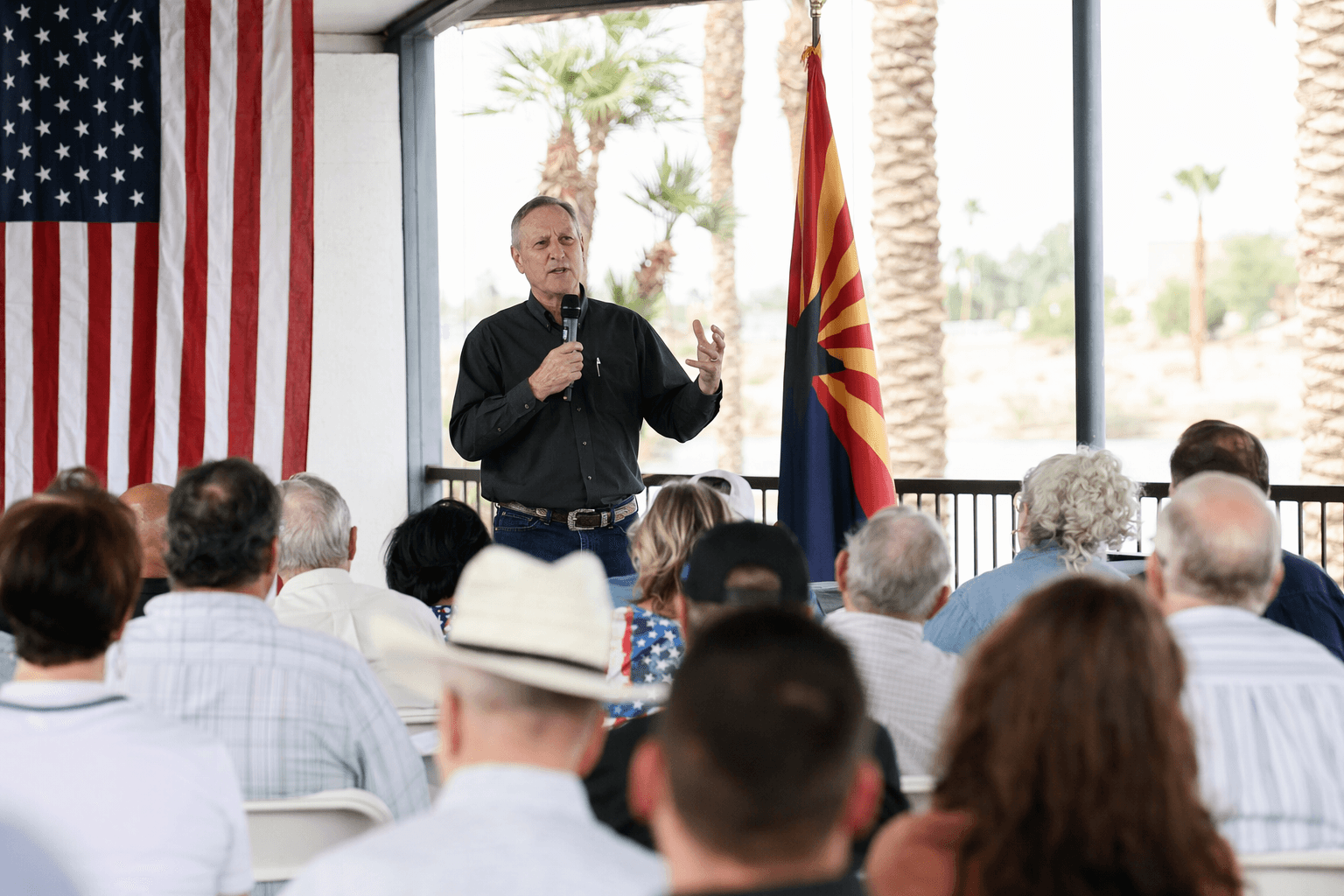
Rep. Andy Biggs brought his governor’s pitch to Yuma on Saturday, using a stop at Community Christian Church to sell two promises with immediate local consequences: eliminating Arizona’s state income tax and pushing money toward water projects, including reopening the Yuma Desalting Plant.
The message landed in a county where water and farm economics are hard to separate. Yuma County sources say agriculture produces nearly $3.4 billion a year locally and about $4.4 billion statewide, while county and university figures show the region supplies roughly 90% of the nation’s winter vegetables. In a place that feeds grocery shelves across the country, any change in Colorado River policy reaches growers, irrigation districts, packing sheds and household budgets.
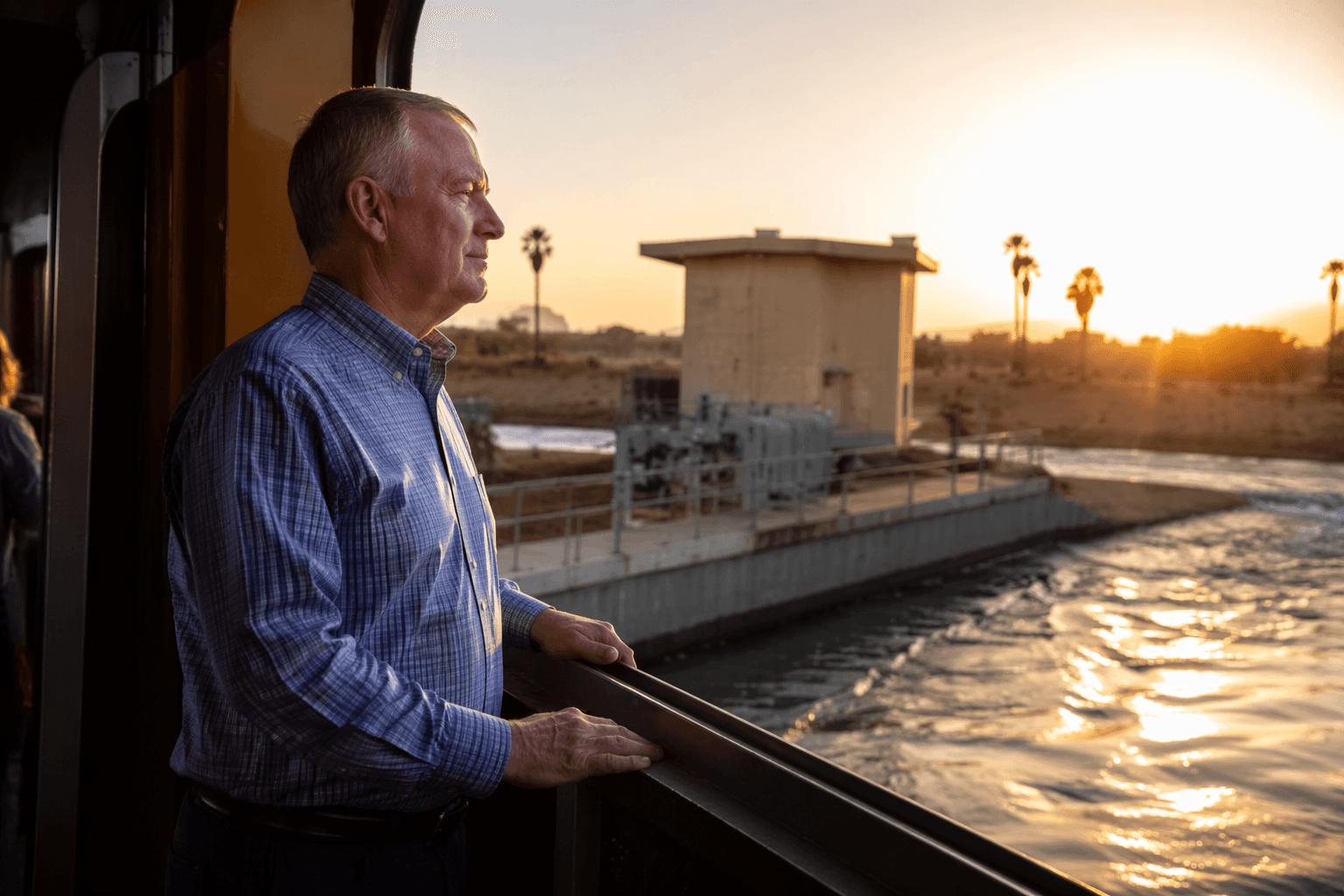
Biggs’ appearance also underscored how far ahead he already is in the Republican primary. A recent Emerson College Polling survey showed him with 50% support, compared with 17% for Karrin Taylor Robson and 8% for David Schweikert, with 25% still undecided. He has also drawn endorsements from Rep. Paul Gosar, state Rep. Nick Kupper and President Donald Trump. The primary is set for July 21.
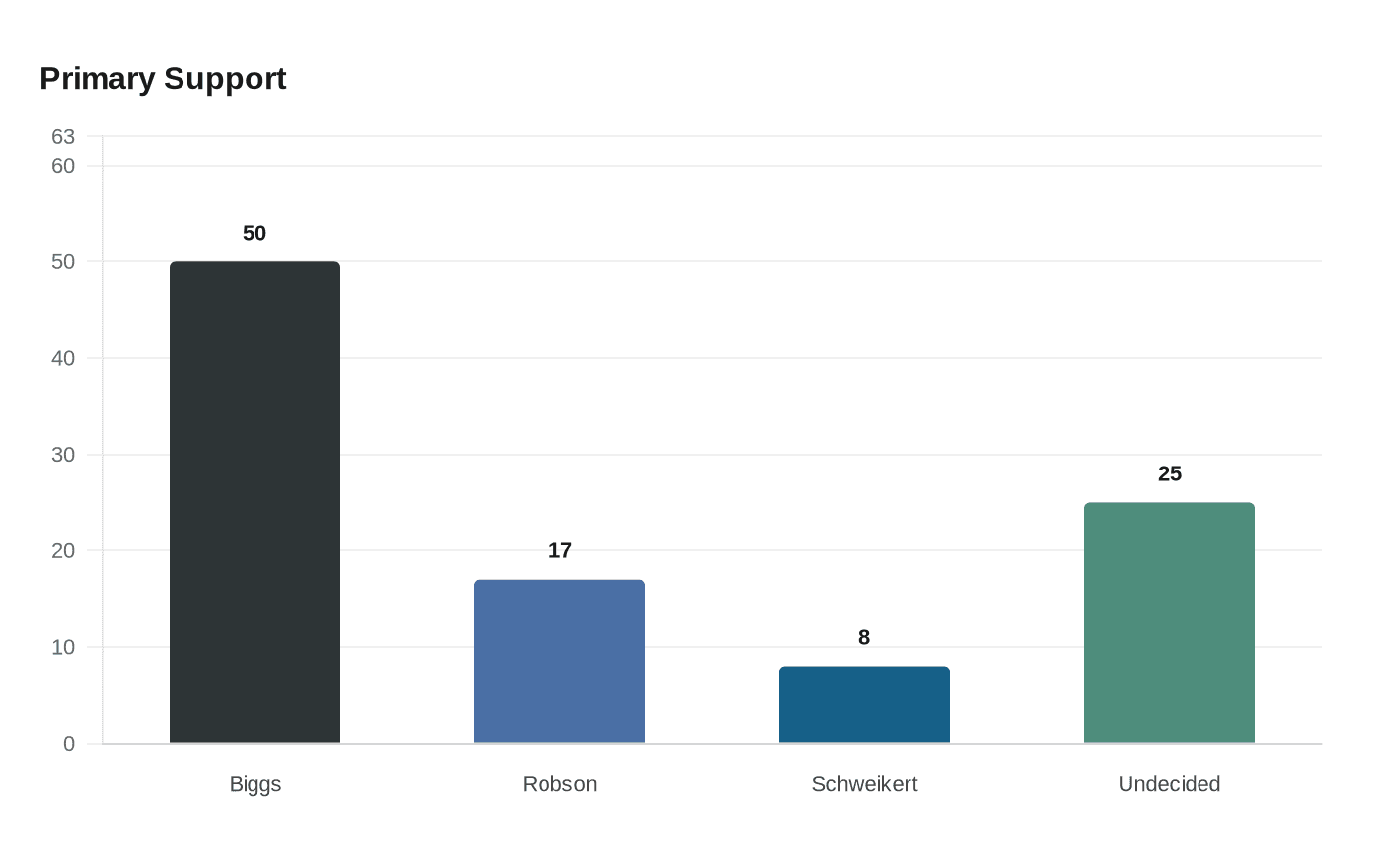
Water policy was the sharper of the two issues for Yuma. Biggs said he wants to see funds released for projects tied to the Colorado River, including the Yuma Desalting Plant. The Bureau of Reclamation says the plant was authorized under the Colorado River Basin Salinity Control Act of 1974 and completed in 1992. It was built to treat saline agricultural return flows from the Wellton-Mohawk Irrigation and Drainage District, with the goal of preserving freshwater in Lake Mead by replacing Mexico deliveries with treated water.
Reclamation says the plant has operated only twice and has otherwise remained largely idle because of surplus, then normal, water-supply conditions on the river. Even so, the plant remains part of the political debate as several Colorado River operating agreements are scheduled to expire at the end of 2026. The City of Yuma has already submitted formal comments to Reclamation on the post-2026 guidelines process.
For Yuma, the stakes are practical and immediate. Biggs is asking voters in a farm county to trust him on taxes and water at the same time the region is bracing for another round of Colorado River negotiations that will shape agriculture, growth and the cost of living across Arizona.
This article was produced by Prism’s automated news system from verified source data, official records, and press releases, then run through automated quality and moderation checks before publishing. The system is built and supervised by the people who set the standards it runs under. Read our full AI policy.
Did this article answer your question?