Binational workshop teaches San Luis residents air-quality warning flags
Green, yellow and orange flags can change a school day, a work shift or a family outing in San Luis. A Friday workshop showed how to read them before dust and smoke push air into the unhealthy range.
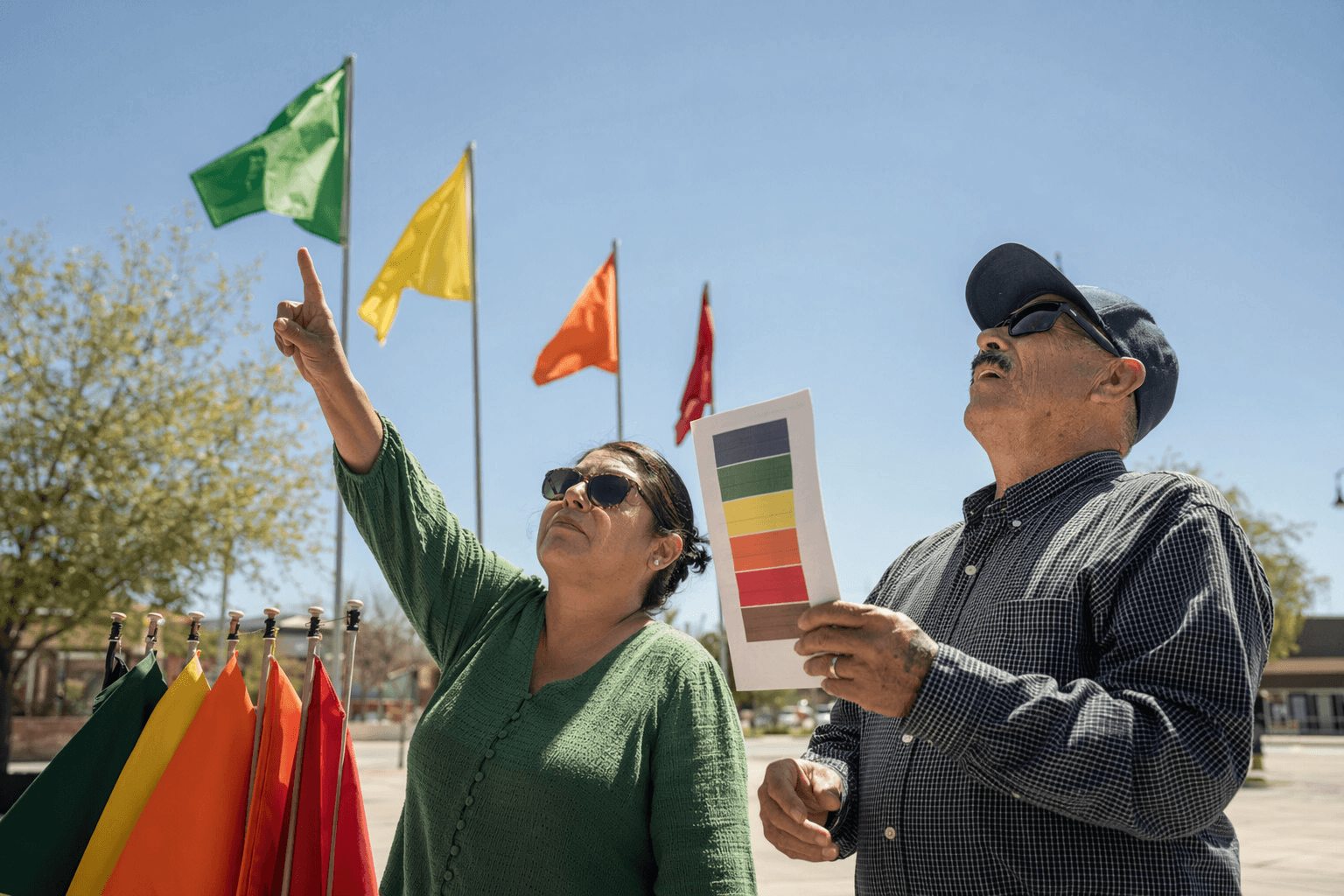
Green, yellow and orange flags can decide whether children play outside, farm crews keep working and families stay indoors in San Luis. At PPEP facilities in San Luis, Arizona, residents spent Friday morning learning how to read the air-quality warning system used across the border region.
The workshop was part of projects led by the Yuma County and San Luis Río Colorado Binational Health and Environmental Care Council. Ginna Bunn of the Arizona Department of Environmental Quality led the training and walked attendees through what each flag color means and what health precautions go with it. The lesson was practical: when the air turns worse, residents need to know whether to limit outdoor activity, protect children or pay closer attention to breathing problems.
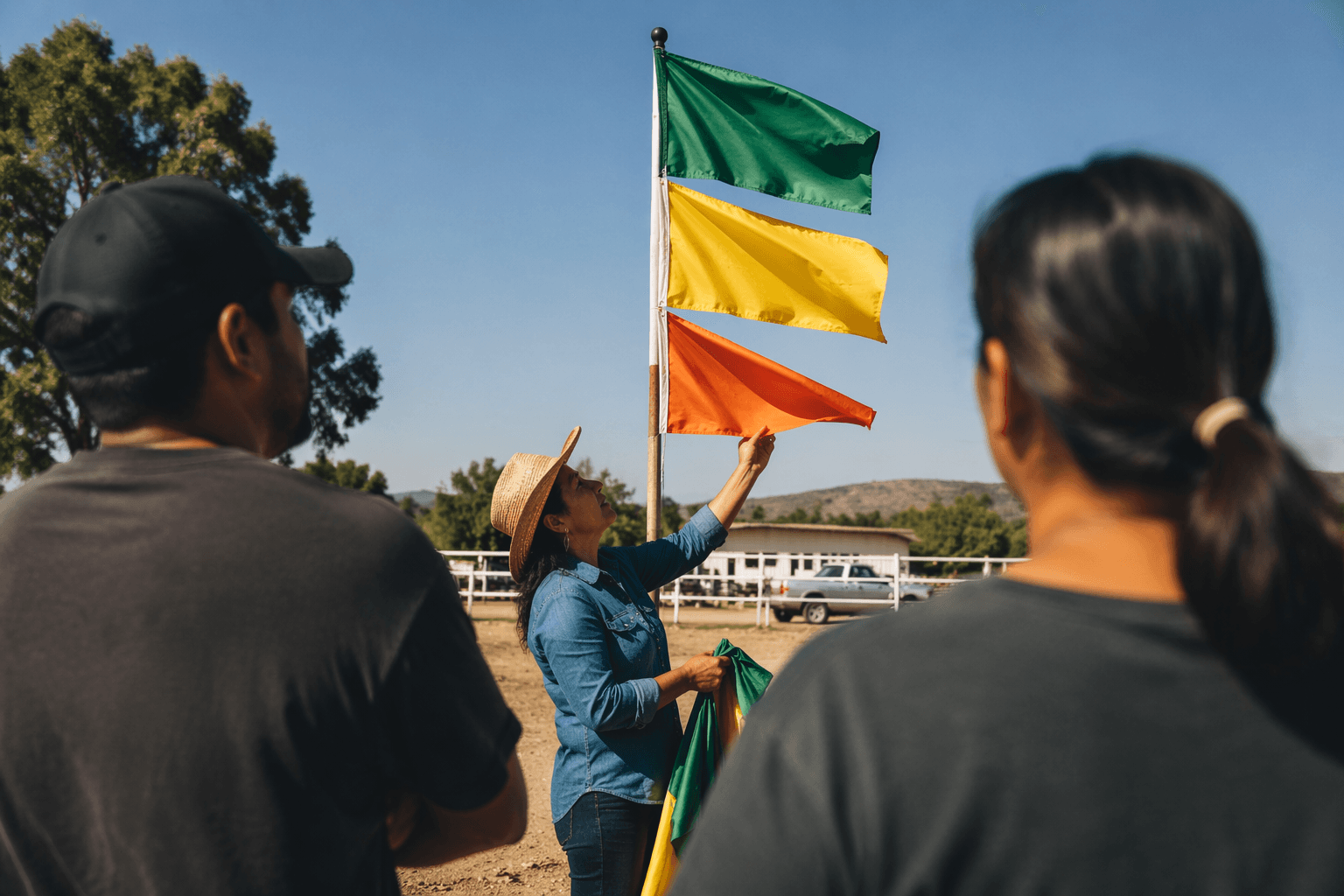
ADEQ’s flag program is designed for places where air quality does not meet, or is at risk of not meeting, national standards. It is built on forecasts for ozone, PM10, which is dust, and PM2.5, which is smoke. Participating organizations can fly green, yellow or orange flags, and ADEQ says a High Pollution Advisory is issued when ozone or particulate forecasts show an imminent or high probability of exceeding the federal health standard. During those advisories, the agency recommends limiting time outside and cutting back on pollution-producing activities such as driving or wood burning.
That matters in San Luis, where dust, traffic and weather patterns can quickly affect daily life on both sides of the border. Air issues do not stop at the fence line. They stretch into San Luis Río Colorado, Mexicali and the wider border corridor, where residents, school staff and outdoor workers all face the same contaminated air.
The monitoring behind those warnings is broad. ADEQ measures criteria pollutants including ozone, PM10, PM2.5, carbon monoxide, nitrogen oxides, sulfur dioxide, lead and air toxics, while the United States Environmental Protection Agency also maintains interactive air-quality maps for ozone, PM2.5 and PM10. In Yuma County, the Environmental Programs Division handles dust-control complaints and open-burning violations, another sign that dusty and smoky air remains a local concern.
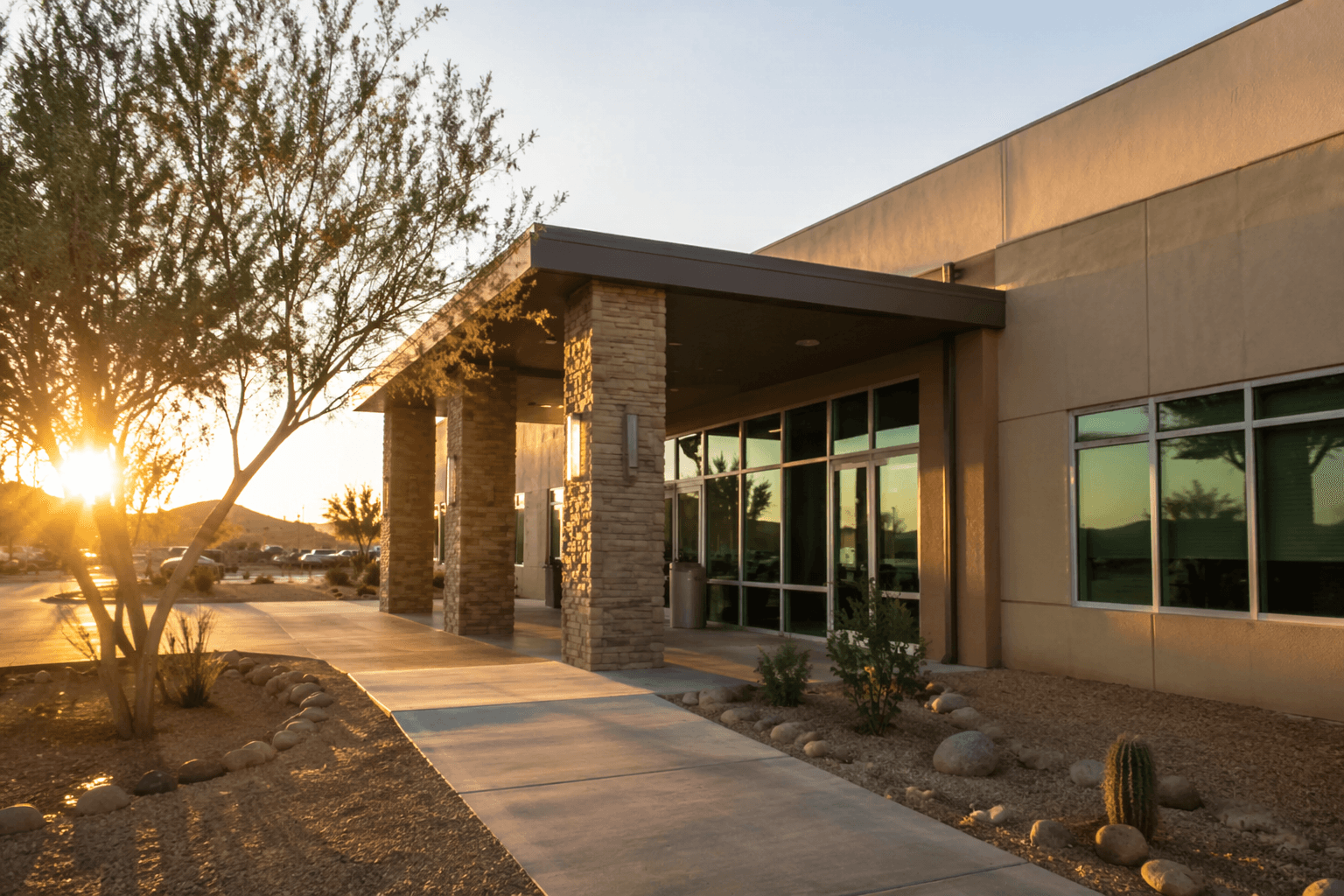
The setting also fit a larger pattern of binational outreach. PPEP, founded in 1967 and serving more than 4 million people, hosted the workshop at its San Luis site on North First Avenue. The Binational Health & Environment Council has also kept air-quality education moving through projects such as its 2026 Binational Clean Air Calendar selection, underscoring how the region is trying to turn warnings into everyday public-health decisions.
This article was produced by Prism’s automated news system from verified source data, official records, and press releases, then run through automated quality and moderation checks before publishing. The system is built and supervised by the people who set the standards it runs under. Read our full AI policy.
Did this article answer your question?