Border Patrol rescues injured bicyclist east of North Gila Ridge Transfer Station
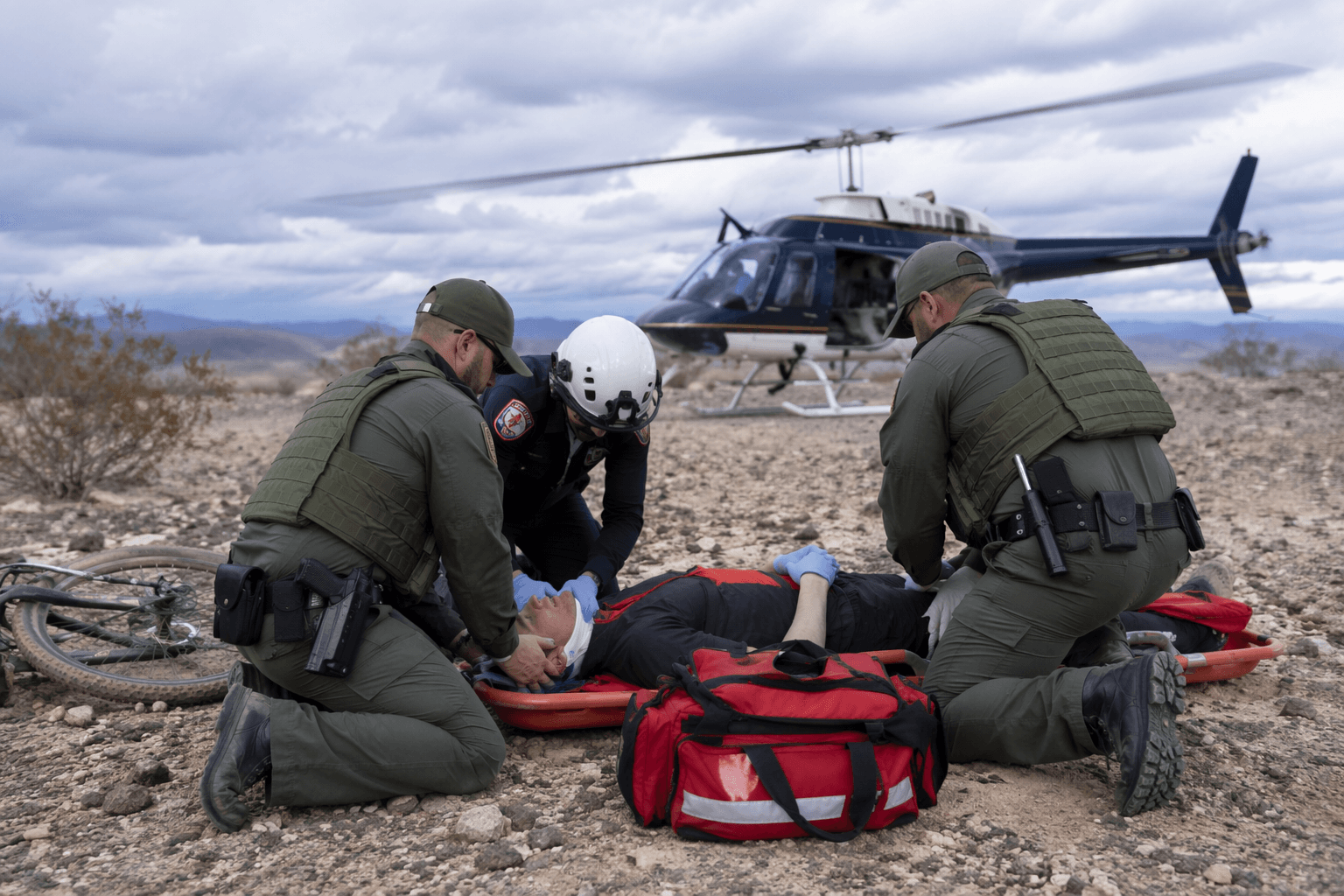
An injured bicyclist east of North Gila Ridge Transfer Station needed a desert rescue after BORSTAR, Yuma Air Branch and Aero Care worked together to reach the patient.
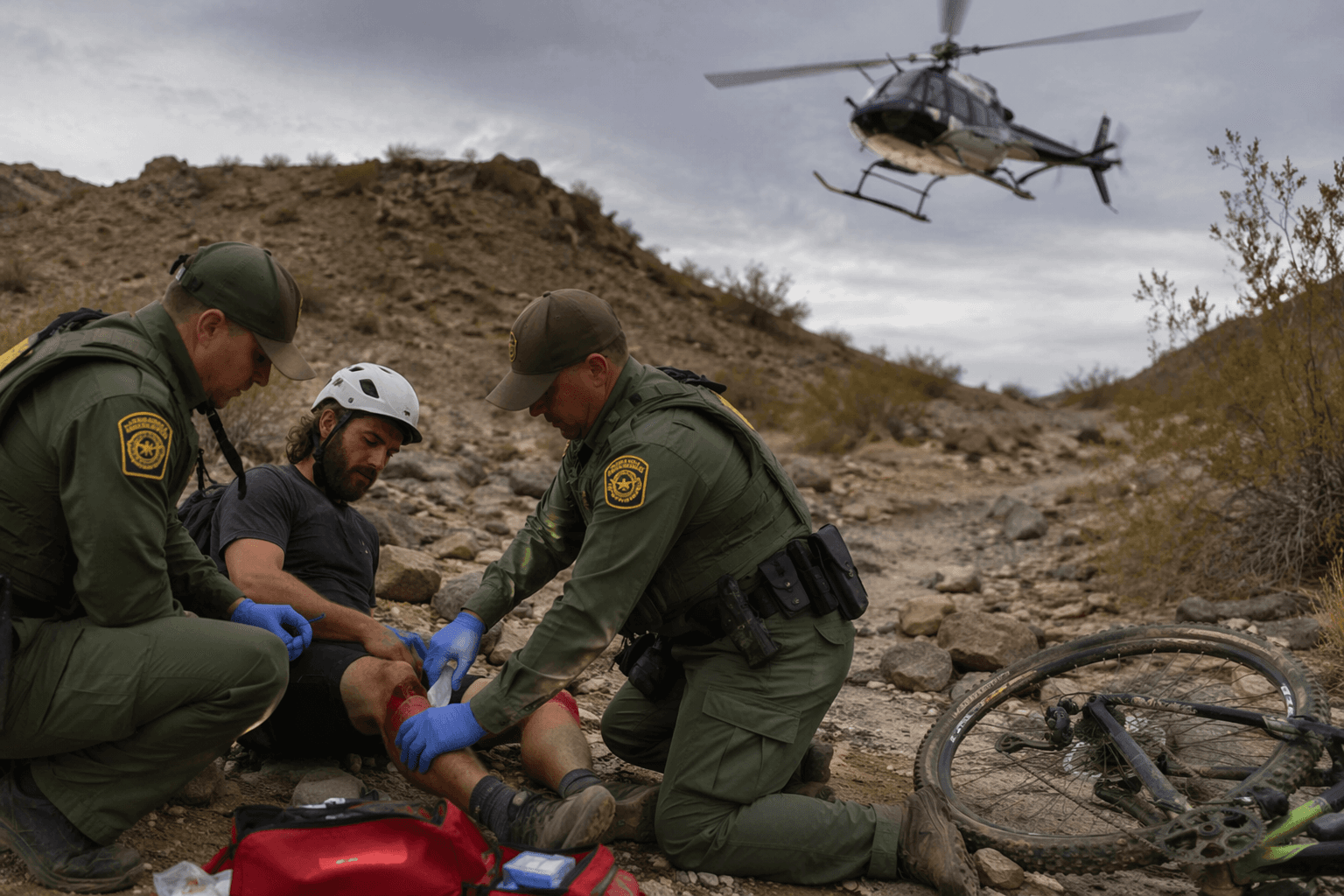
An injured bicyclist east of North Gila Ridge Transfer Station needed a coordinated desert rescue on April 27 after the Yuma County Sheriff's Office requested help from Border Patrol.
Border Patrol BORSTAR agents provided advanced medical care and helped extract the patient from the remote area with support from the Yuma Air Branch and Aero Care. The bicyclist was then transported to a hospital. Officials did not release details on how the rider was hurt, but the location east of North Gila Ridge Transfer Station put the emergency in open desert where getting ground crews on scene quickly can be difficult.
The response reflected the kind of work the Yuma Sector is built to do across one of the largest patrol areas in the Southwest. The sector was established in December 1954 and covers about 181,670 square miles of primarily desert terrain while patrolling 126 miles of the U.S.-Mexico border. BORSTAR, created in 1998, is Border Patrol’s specialized search-and-rescue unit, with training in tactical medicine, rope rescue, paramedicine, air operations and other rescue disciplines.
That capability has become especially important as summer heat approaches. CBP said Yuma Sector recorded 19 rescues and one death since Oct. 1, 2024, compared with 89 rescues and six deaths during the same stretch the year before. To help people in distress in the desert between Yuma and Wellton, the agency has installed 124 rescue signs and 24 rescue beacons.
The need for that rescue network has shown up before in Yuma County. In 2020, a Border Patrol agent’s trauma-and-rescue training was credited with saving an injured cyclist in the Yuma area, another example of how often search-and-rescue skills are used outside traditional enforcement calls.
For anyone heading into the Sonoran Desert around Yuma, the lesson is blunt: heat, distance and rough terrain can turn a routine ride into a medical emergency fast. Reliable communication, water, route planning and an understanding that rescue delays are common in remote country can make the difference between a manageable problem and a life-threatening one.
This article was produced by Prism’s automated news system from verified source data, official records, and press releases, then run through automated quality and moderation checks before publishing. The system is built and supervised by the people who set the standards it runs under. Read our full AI policy.
Did this article answer your question?