Border wall crews damage 1,000-year-old Las Playas intaglio in Yuma County
Border wall crews cut through the Las Playas Intaglio, a 1,000-year-old fish-shaped geoglyph near Sells. The Tohono O’odham Nation learned five days later.

Federal border-wall work in the Sonoran Desert left a deep scar in one of Yuma County’s most fragile cultural landscapes: a 1,000-year-old fish-shaped geoglyph in Cabeza Prieta National Wildlife Refuge. Crews preparing for a second barrier in southern Arizona bulldozed a swath through the Las Playas Intaglio on April 23, damaging roughly 60 to 70 feet of the 272-foot-long figure within yards of the U.S.-Mexico border.
The site sits about 30 miles west of Sells, Arizona, in an area tied to the ancestral lands of the Tohono O’odham Nation. Tribal officials said they were not notified until April 28, five days after the destruction, intensifying criticism that a site known to be sensitive was left exposed while work moved ahead.
Tohono O’odham Nation Chairman Verlon Jose called the loss “devastating and entirely avoidable,” saying the destruction of an irreplaceable piece of O’odham heritage left a scar on tribal members and also took away a piece of United States history. Archaeology Southwest said the damage was “significantly and irreversibly” done and went beyond ordinary vandalism, calling it “a deliberate act of harm, disgrace, and disrespect.”
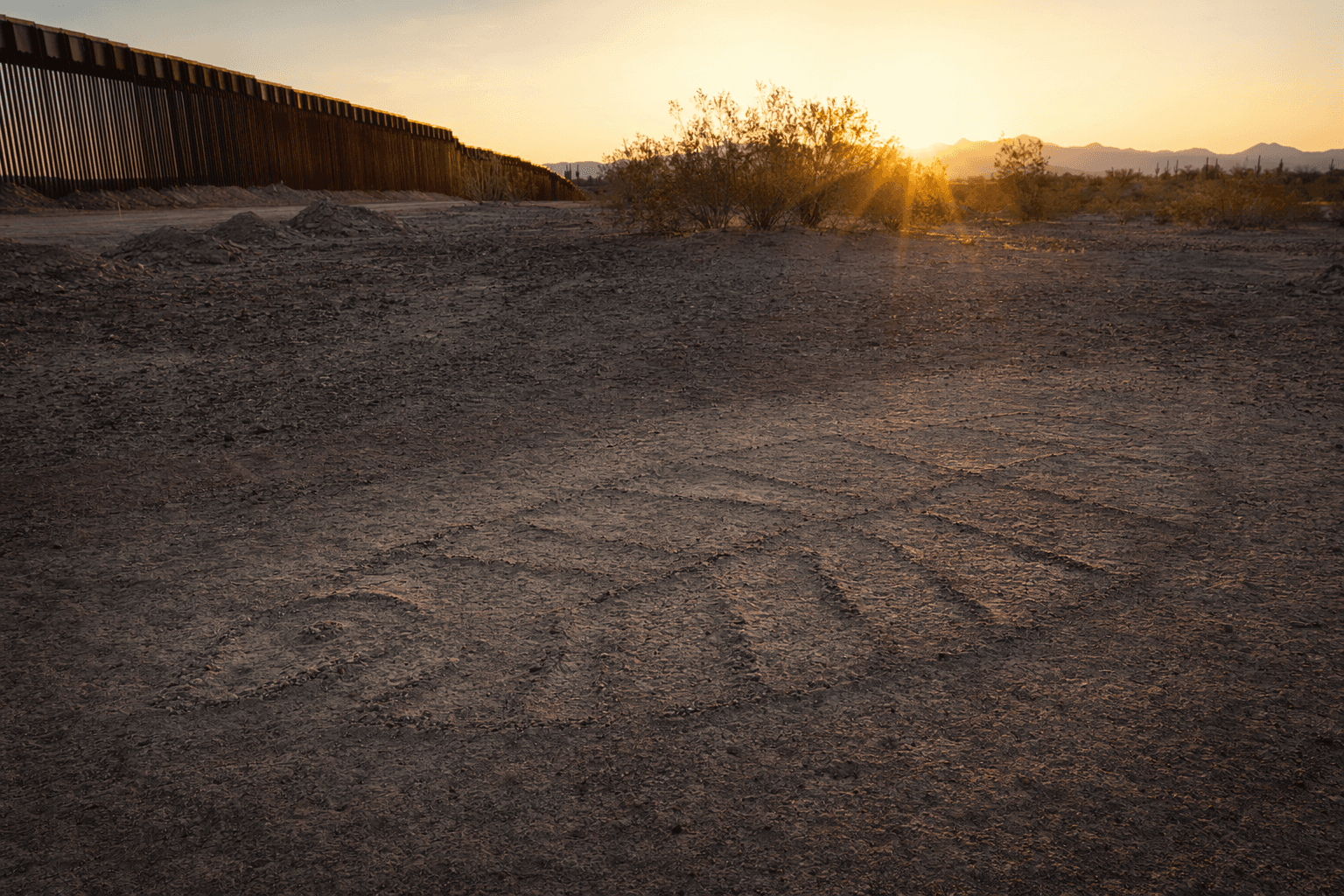
Archaeologist Aaron Wright said intaglios are sacred places created by the nation’s first residents and stewards. He said the destroyed figure “peered into the sky for the last millennium, if not longer.” New images from the site showed a broad scrape near the fish’s head, a stark contrast to the desert floor that had held the geoglyph for centuries.
U.S. Customs and Border Protection said one of its contractors “inadvertently disturbed” the site and said Rodney Scott, the CBP commissioner, was engaged directly with tribal leadership. The agency also said the remaining portion of the geoglyph had been secured and would be protected in place.
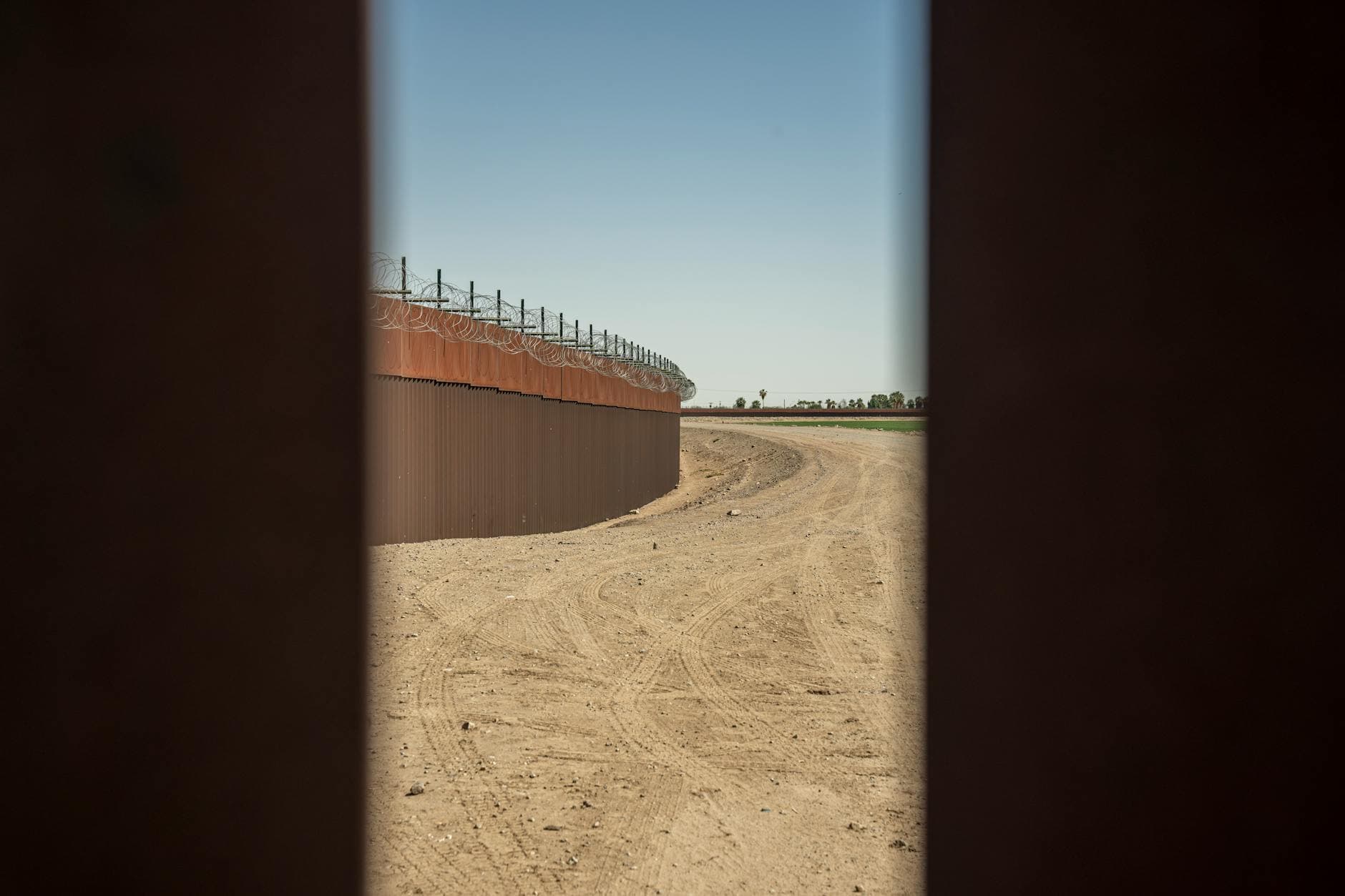
But the incident has sharpened questions about oversight. Reporting says a cultural protection monitor had already identified the Las Playas Intaglio as a place the contractor was supposed to avoid, and that the wall route had been staked through the geoglyph before the damage. Conservationists and archaeologists have pointed to the broader push for a second border barrier across Arizona, where legal waivers and environmental concerns have repeatedly collided with cultural protection on Tohono O’odham Nation lands.
For the tribe, the loss was not just archaeological. It was a breach of trust at a site that had survived for about 1,000 years and was supposed to be left alone.
This article was produced by Prism’s automated news system from verified source data, official records, and press releases, then run through automated quality and moderation checks before publishing. The system is built and supervised by the people who set the standards it runs under. Read our full AI policy.
Did this article answer your question?