Christie Shew helps Yuma Proving Ground families feel at home
Christie Shew’s housing job at Yuma Proving Ground is really about keeping military families steady, welcome, and willing to stay in Yuma County.
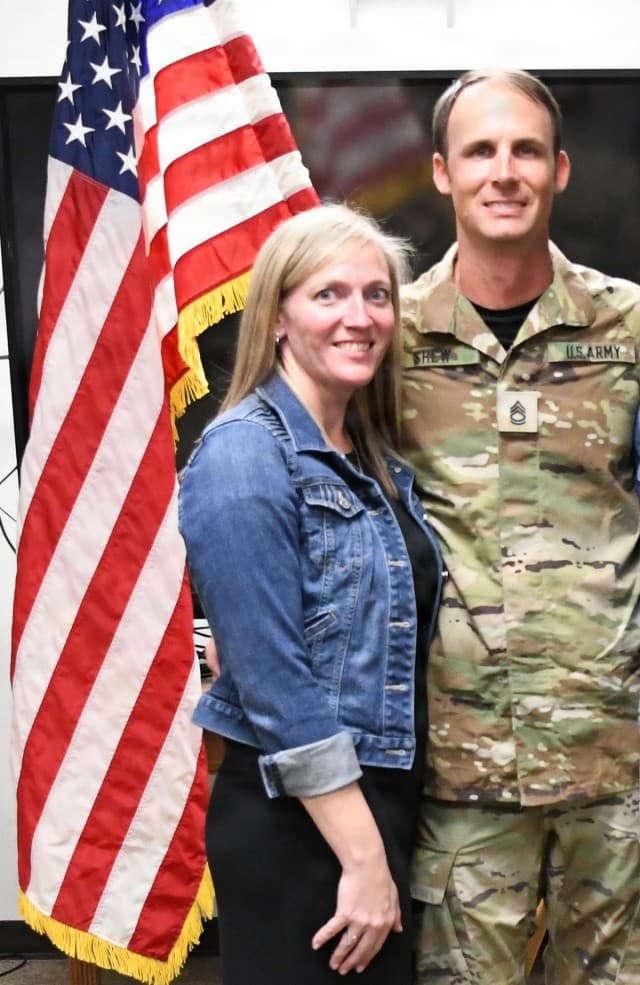
At Yuma Proving Ground, the first housing contact can decide whether a move feels like a disruption or a fresh start. Christie Shew, the community director for Desert Oasis Housing, has become one of the people who turns that first stop into something more manageable for military families arriving in Yuma County.
A welcome desk for families on the move
Shew is often the first person newcomers meet when they move onto post, and that makes her role more than administrative. She answers questions, helps families settle in, and makes the transition feel less intimidating at a moment when service members are already juggling orders, schools, spousal employment, and a new daily routine.
Her perspective is personal as well as professional. She moved to Yuma Proving Ground nine years ago when her husband, Sgt. 1st Class Cody Shew of the Airborne Test Force, was stationed there, so she knows the stress that comes with military relocation from the inside. That experience shapes the way she talks about housing in Yuma: not as square footage alone, but as the setting where spouses, children, and service members decide whether a place can feel stable enough to become home.
What military families need when they arrive
At a post like Yuma Proving Ground, the housing question starts before the furniture trucks arrive. Families need a clear point of contact, help understanding the waiting process, and a sense that they will not be left navigating the move alone. Desert Oasis Communities, which has managed YPG family housing since April 1, 2009, now handles that process through its housing office at 1120 Cutter Ave. in Yuma, Arizona.

Residents can also check their place on the housing waitlist through a RealPage portal, a practical detail that matters when a family is trying to plan a school transfer, a commute, or a move-in date. Those small pieces of support add up, especially in a community where the transition can shape whether a posting feels temporary or livable.
Shew’s own experience helps explain why. She has said that moving to a smaller place like YPG was easier for her family than living in larger military communities, where it was harder to make friends and settle in. In Yuma, she says, people feel like family, and that feeling is part of what families are looking for when they arrive with limited time and high expectations for stability.
Why housing is tied to retention
Housing at a military installation is never just about where people sleep. It affects whether spouses can build routines, whether children adjust quickly, and whether a duty station feels like a community or a pause between assignments. At YPG, that question matters because the installation is not a small outpost on the edge of town. It is Yuma County’s top civilian employer, with more than 2,000 civilian personnel, and the Army and Arizona figures cited by the installation put its annual direct, indirect, and induced economic impact at more than $1.1 billion.
That scale means the families living on or near the installation are part of the county’s broader social and economic fabric. If a move goes badly, the effects reach beyond one household. If it goes well, it can help keep service members rooted long enough to invest in schools, sports, work, and neighborhood ties.
Desert Oasis Housing’s survey results suggest that the system is working better than many expect. In the 2021-2022 Tenant Satisfaction and Opinion Survey, YPG housing ranked number two out of 43 installations and 383 housing neighborhoods. A later Army housing summary said the FY24 survey covered 48 installations, 397 family housing neighborhoods, and 5 unaccompanied buildings, and YPG’s housing finished in the top 10. Army housing officials said that survey measured satisfaction with homes, landscaping, maintenance quality, and customer service, which are the basic pieces that determine whether families feel taken care of after they arrive.
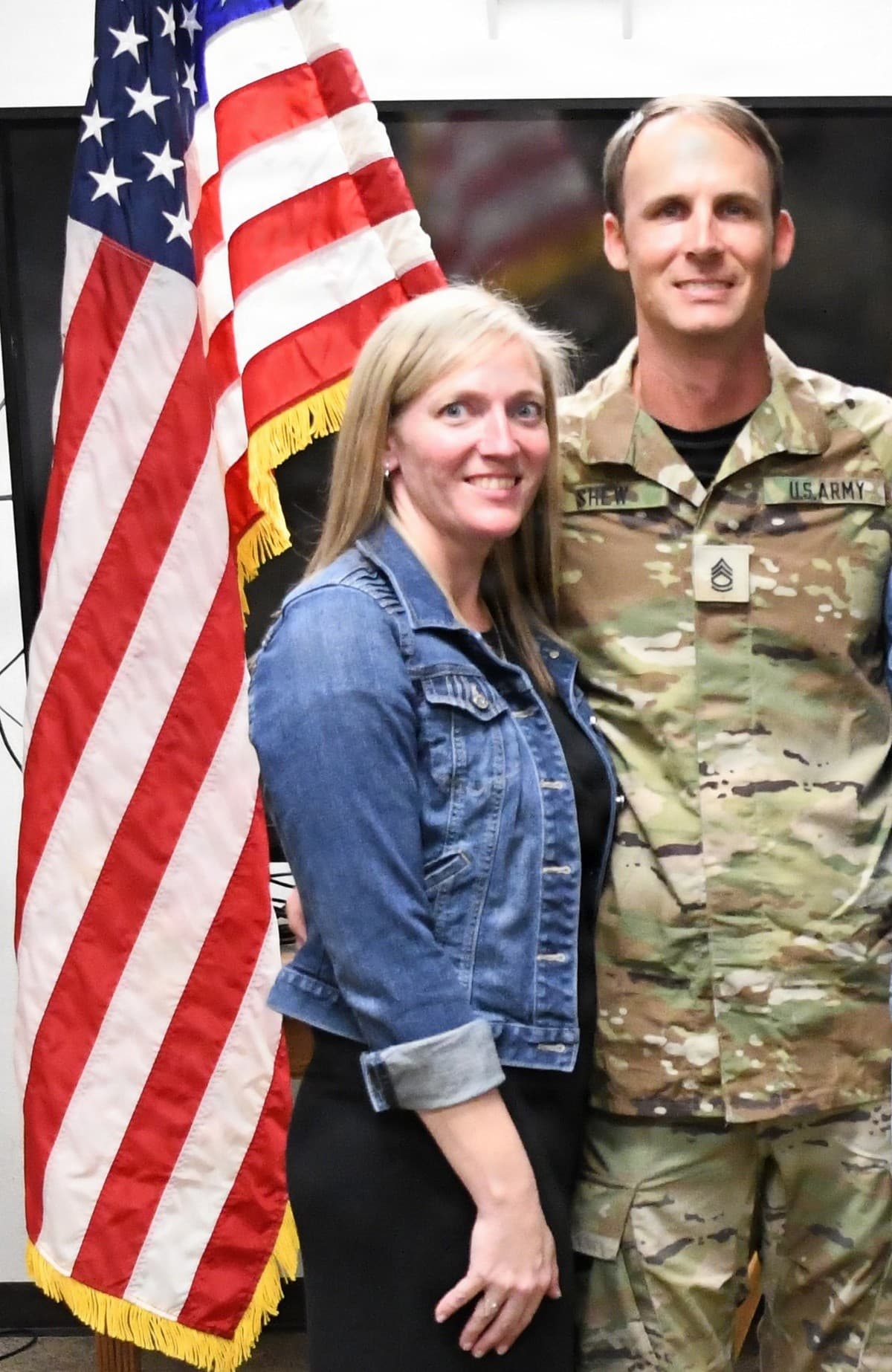
A post and a community that are closely linked
Shew’s work reaches beyond the installation fence line. She is also the assistant cheerleading coach at Gila Ridge High School, which places her in one of Yuma’s most visible community settings and connects her daily to local teenagers and families. That role matters because it reflects how military life in Yuma is woven into the city’s school events, games, and neighborhood relationships, rather than sealed off from them.
Yuma Proving Ground itself has deep roots in the region. The Army’s presence in Yuma goes back to Fort Yuma in 1850, and the site that would become YPG first saw military use in 1942 before being turned in 1943 into a testing ground for bridges, river-crossing equipment, boats, vehicles, and well-drilling gear. Today, the installation says its test mission spans Yuma, Alaska, and tropical regions abroad, which helps explain why families keep arriving with different expectations and why housing staff have to make each move feel less like a transfer and more like a landing.
That family footprint is still growing. On May 19, 2026, officials broke ground for a new elementary school building at YPG after saying the older 1953 building could no longer withstand monsoon seasons much longer. The project is another reminder that housing, schools, and long-term military retention are linked: when the structures that support children and parents start to fail, the question is no longer just how to house people, but how to keep them rooted in a place.
At Yuma Proving Ground, Shew’s job shows how much depends on one steady point of contact. The families who come through Desert Oasis Housing are not only looking for keys and paperwork. They are deciding whether Yuma can feel like the kind of place where military life is hard, but manageable, and where staying put for a while still feels possible.
This article was produced by Prism’s automated news system from verified source data, official records, and press releases, then run through automated quality and moderation checks before publishing. The system is built and supervised by the people who set the standards it runs under. Read our full AI policy.
Did this article answer your question?