Circle of Friends builds lasting community for Yuma adults with disabilities
Circle of Friends has turned weekly recreation into a lifeline for Yuma adults with disabilities, giving participants and caregivers a steady place to belong.
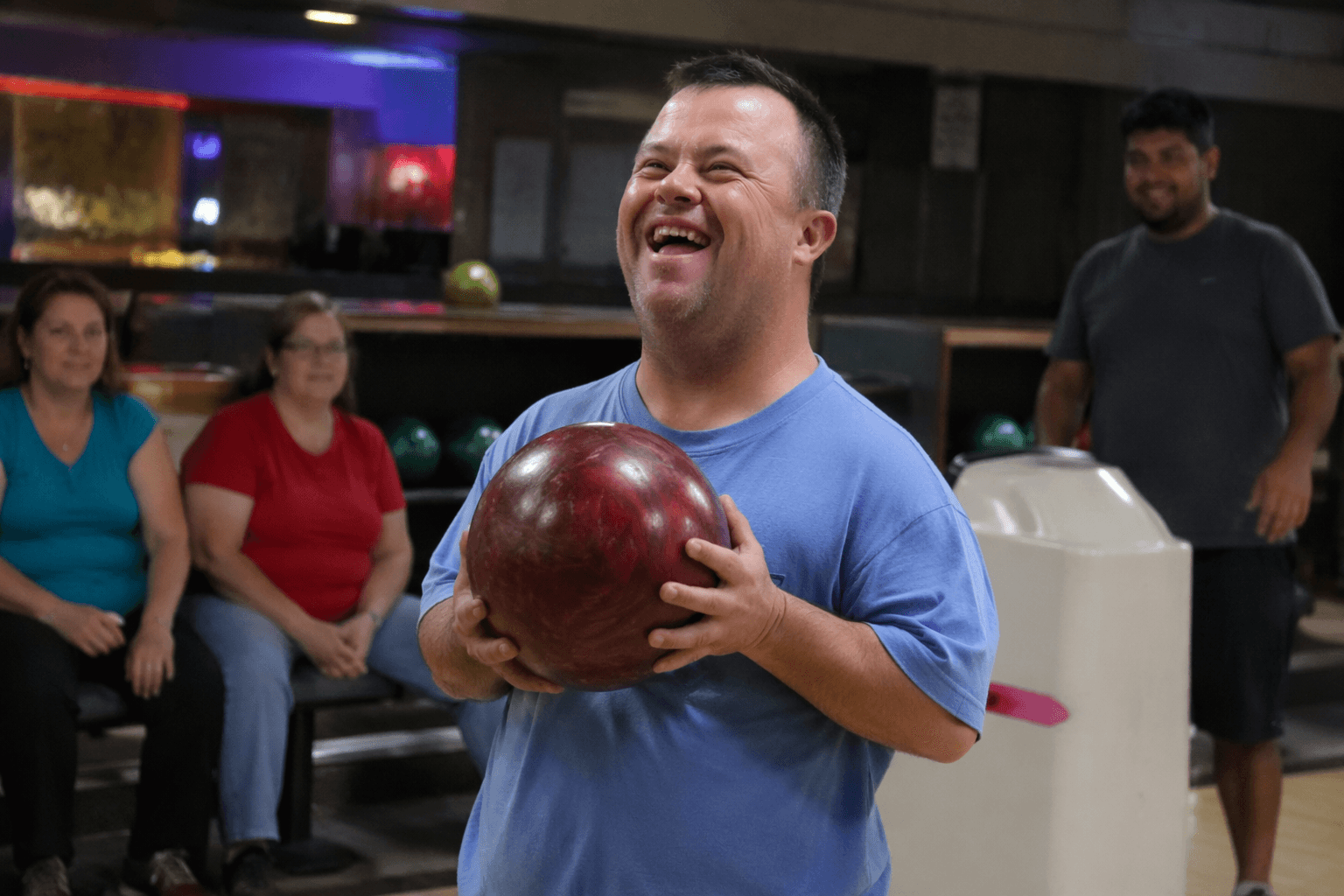
A place where belonging becomes routine
Circle of Friends has grown from a small gathering into a steady social network for Yuma adults with disabilities and the families who support them. What began as a playgroup has become a regular part of life for participants who now have somewhere to go each week, plus a calendar that reaches far beyond one meetup.
The group works because it turns recreation into connection. Pool parties, adaptive cardio kickboxing, table games, movie outings, birthday celebrations, holiday events, picnics, and spring get-togethers give members low-pressure ways to spend time together. In a community where social isolation can build quickly, that kind of repeated contact matters just as much as the activity itself.
How Circle of Friends changed from an event into a network
Circle of Friends now meets weekly and also holds annual events, with support from Yuma Parks & Recreation and the City of Yuma. That structure gives the group consistency, which is often what families need most when traditional school-based supports end and adult life can become harder to navigate.
The most important change is not just that people attend the same activities. Members have started building friendships that continue outside the program. According to KAWC’s reporting, they now visit one another’s birthday parties, swim at each other’s homes, and go to the movies together. That shift from organized programming to real personal ties is what makes the group feel lasting rather than temporary.
Diana Flermoen, who is identified in Arizona business records as the registered agent for Circle of Friends of Yuma LLC, has described those friendships as deeply meaningful. She said the connections have become strong enough that members socialize on their own, which is the clearest sign that the program is doing more than filling a calendar slot.
Why the program matters for adults with disabilities and their families
For many adults with disabilities, the gap after school services end is not a small one. It can mean fewer built-in opportunities, fewer places to meet people, and more time spent at home unless a family can create structure on its own. Circle of Friends helps close that gap by providing a dependable setting where participation does not depend on high pressure, rigid competition, or complicated expectations.
That matters emotionally as well as socially. Flermoen said the group can help participants come out of depression because they know they have somewhere to go and people who care about them. In practical terms, that means the program is acting as part friendship circle, part support system, and part stabilizing routine.
The value also extends to caregivers. When parents can see their sons and daughters building genuine friendships, the program offers something hard to measure but easy to recognize: reassurance. It shows that inclusion does not have to stop at the classroom door or the end of childhood services.
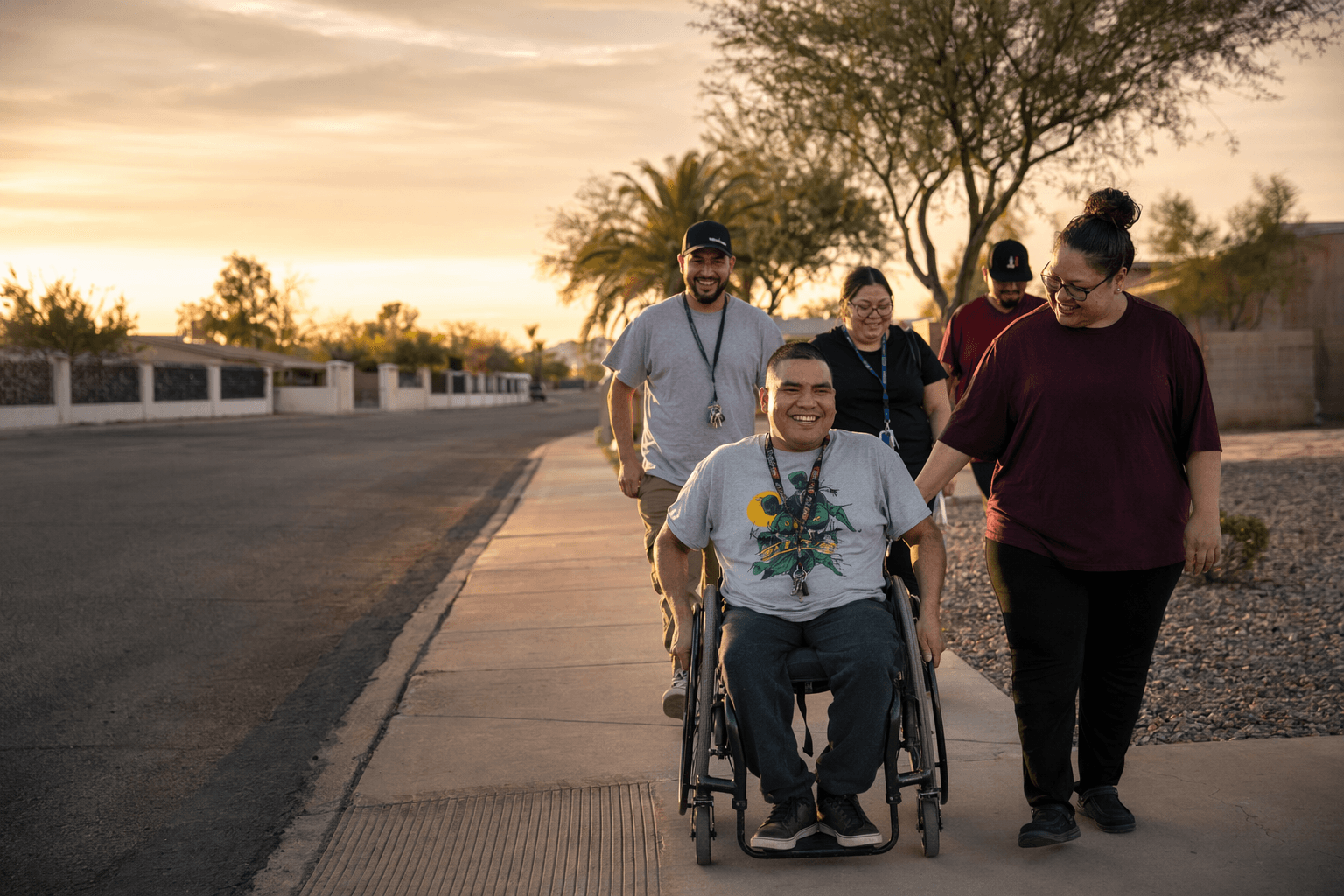
The health case for community connection
Circle of Friends fits into a much broader public-health picture. The Centers for Disease Control and Prevention says loneliness and social isolation can be shaped by conditions in the environments where people are born, live, work, learn, worship, and play. The agency also says parks, libraries, public transportation, and community programs can support social connection.
That is especially relevant for people with disabilities. The Office of the U.S. Surgeon General says studies find the highest prevalence of loneliness and isolation among people with disabilities. The CDC’s Community & Connection page adds another concrete marker: in 2024, 12% of U.S. adults, or 1 in 8, reported difficulty participating in social activities because of a physical, mental, or emotional condition.
Arizona’s public-health leadership has made a similar point. The Arizona Department of Health Services treats social connectedness as a health issue and warns that unchecked loneliness can affect individuals, families, and communities. Circle of Friends shows what that looks like at the local level: a neighborhood-scale response to a statewide and national problem.
How Yuma’s parks system supports inclusion
The program’s connection to Yuma Parks & Recreation is a key part of why it works. The city says it offers adaptive recreation for people with special needs, which means Circle of Friends is not an isolated effort floating outside city services. It sits within a broader municipal approach to inclusion, one that treats access to recreation as a public good rather than a luxury.
That matters in a place like Yuma County, where community life often depends on whether residents can find the right local institution to bridge a gap. A city-supported program gives families a place to start, and it gives adults with disabilities a setting that is designed around participation rather than exclusion. The image set tied to the story, with pool parties, adaptive fitness, Thanksgiving celebrations, Valentine’s crafts and games, and spring outings, reinforces that the program is built on routine engagement rather than one-off events.
A formal organization with years of local roots
Circle of Friends of Yuma LLC was filed with the Arizona Corporation Commission on June 23, 2018, which shows the group has had a formal presence for years. That history helps explain why it can now support more than simple gatherings. It has developed enough continuity to become part of the social fabric for the families who rely on it.
The recent KAWC reporting shows the group is still active, still meeting weekly, and still adding annual traditions that keep people connected across the year. That kind of consistency is what turns a program into a community. For Yuma families looking for connection that lasts, Circle of Friends is not just offering activities; it is offering a place where daily life becomes more connected, more stable, and less alone.
This article was produced by Prism’s automated news system from verified source data, official records, and press releases, then run through automated quality and moderation checks before publishing. The system is built and supervised by the people who set the standards it runs under. Read our full AI policy.
Did this article answer your question?