Community breaks ground on San Luis home honoring mother’s wish
On San Diego Street, 19 local partners put more than $30,000 into a home for Lidia Magaña, honoring her daughter’s memory and a larger housing need.
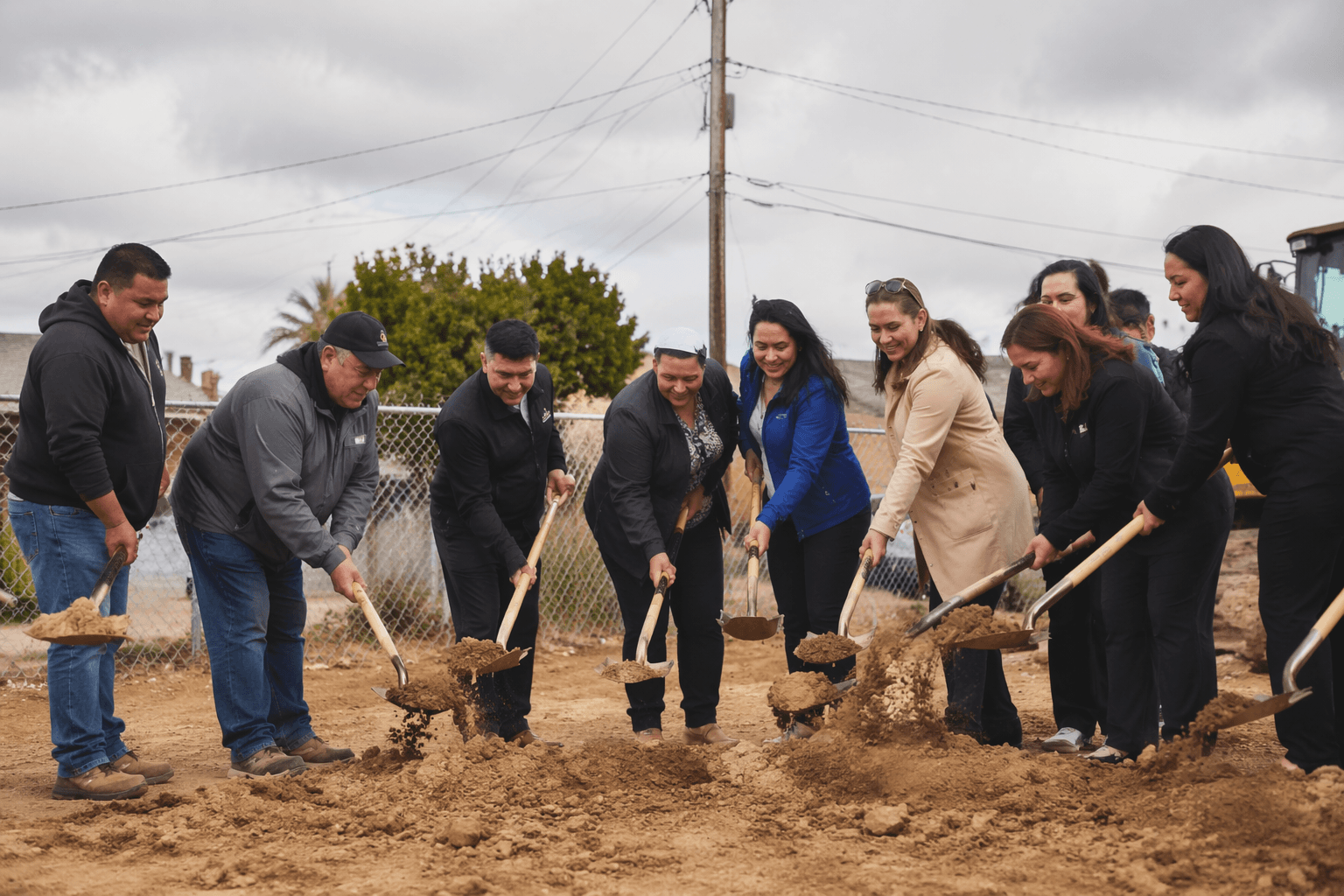
A stretch of San Diego Street in San Luis became a symbol of more than new construction Thursday as Housing America Corporation and USDA Rural Development broke ground on a home for Lidia Magaña, backed by 19 local contractors, businesses and collaborators who contributed more than $30,000 in materials, supplies and labor.
The house is being built in honor of Magaña’s daughter, who died nearly three years ago, and the project was framed as the fulfillment of a wish she had hoped to see realized for her family. What might have been a routine groundbreaking instead drew community members, public officials, contractors and volunteers into a ceremony that tied a single home to a much larger conversation about stability, loss and ownership in South County.
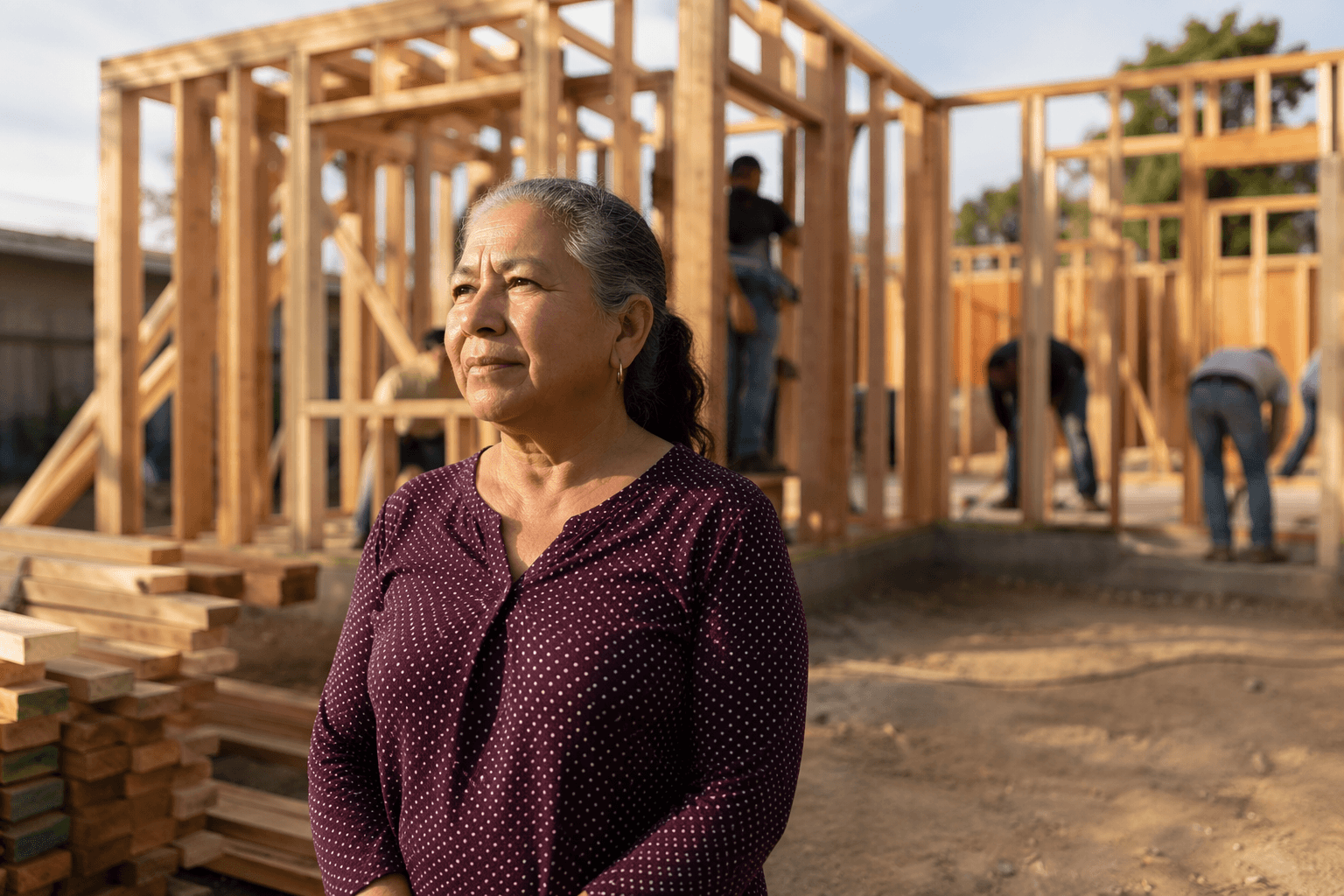
That larger question matters in San Luis, where affordable housing remains tight and families face the pressures of a border economy, limited supply and rural service gaps. The model behind this project is not simply a donation drive. USDA Rural Development’s Mutual Self-Help Housing Technical Assistance Grants are designed to help qualified organizations supervise groups of very-low- and low-income families as they build their own homes in rural areas. In Yuma County, the City of San Luis has already backed Housing America Corporation’s application for a Rural Development grant of up to $900,000 to continue a family housing project using that same Mutual Self-Help method.
The program’s structure gives the project a path that could be repeated, at least in theory. Local housing resources describe Housing America Corporation’s process as one that places an onsite construction supervisor in charge of training participants through each phase of construction, with the homes typically taking about 10 to 12 months to complete. Families move in only after the houses are finished and inspected by a USDA Rural Development representative. Another local housing resource says the homes are built to Energy Star standards, adding a long-term affordability benefit through lower utility use.
That combination of federal technical assistance, city backing, local labor and family participation offers one of the clearest templates yet for producing more owner-occupied housing in San Luis. It will not solve the housing shortage on its own, but Thursday’s groundbreaking showed how a single home can become a workable model for future projects when public support, private donations and resident effort move in the same direction.
This article was produced by Prism’s automated news system from verified source data, official records, and press releases, then run through automated quality and moderation checks before publishing. The system is built and supervised by the people who set the standards it runs under. Read our full AI policy.
Did this article answer your question?