First Baby of 2026 Born at Onvida Hospital in Yuma
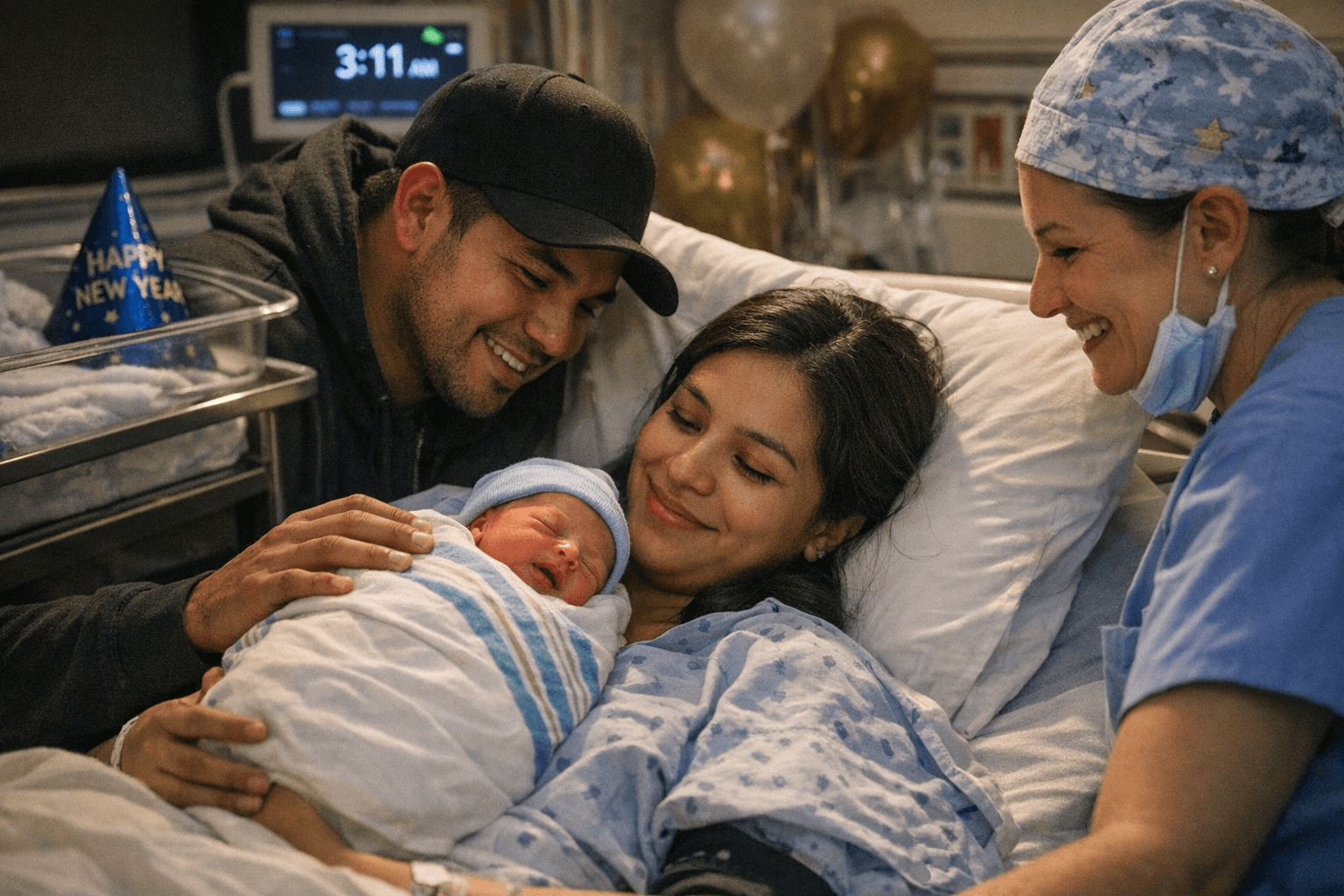
Onvida Hospital recorded the first birth of 2026 in the early hours of Jan. 1, when a baby boy named Raul was born three hours and eleven minutes into the New Year, weighing six pounds. The delivery and the hospital's celebration of the family highlight the continued role of local maternity services in supporting families and community health across Yuma County.
On Jan. 1, 2026, at 3:11 a.m., Onvida Hospital welcomed the first baby of the year: a six-pound boy the family named Raul. The newborn's mother said the name carried family significance, and hospital staff marked the milestone by presenting the family with gifts and celebrating the arrival.
The brief announcement underscores more than a single joyous moment for one household. In Yuma County, births are a visible measure of community wellbeing and of the local health system's ability to meet basic needs. Having maternity services staffed and ready through holidays and nights is essential for safe deliveries and for equitable access to prenatal and postpartum care.
For residents, the event is a reminder that round-the-clock obstetric and neonatal services provide tangible benefits: rapid response in labor, immediate newborn assessment, and access to counseling or follow-up care when needed. Those services also reduce the need for families to travel long distances for routine deliveries, a consideration that affects low-income households, those with limited transportation, and people living in more remote parts of the county.
Beyond immediate clinical care, births place demands on public health and social supports. New parents require access to pediatric and maternal follow-up appointments, breastfeeding support, mental health screening, and, in many cases, help navigating insurance and social services. Sustaining local capacity for these services matters for long-term outcomes such as infant health, maternal recovery, and family economic stability.
The hospital celebration of Raul's arrival also reflects the human side of health care workers who provide uninterrupted care during demanding shifts. Community recognition of those roles can inform local conversations about staffing, funding, and policies that protect and expand maternal-child services. Ensuring culturally competent care and removing barriers to access are policy priorities that affect health equity across Yuma County.
Raul's birth offered a moment of joy for his family and for hospital staff, and it serves as a small but meaningful data point in broader efforts to maintain robust, equitable maternity care in the county. As Yuma moves into 2026, the need for sustained investment in maternal and infant health services remains crucial for supporting families and strengthening community health outcomes.
This article was produced by Prism’s automated news system from verified source data, official records, and press releases, then run through automated quality and moderation checks before publishing. The system is built and supervised by the people who set the standards it runs under. Read our full AI policy.
Did this article answer your question?