Five finalists vie for top Arizona Western College workforce post
Five finalists are competing for Arizona Western College’s top workforce job as the school’s next president prepares to take over in July 2026.

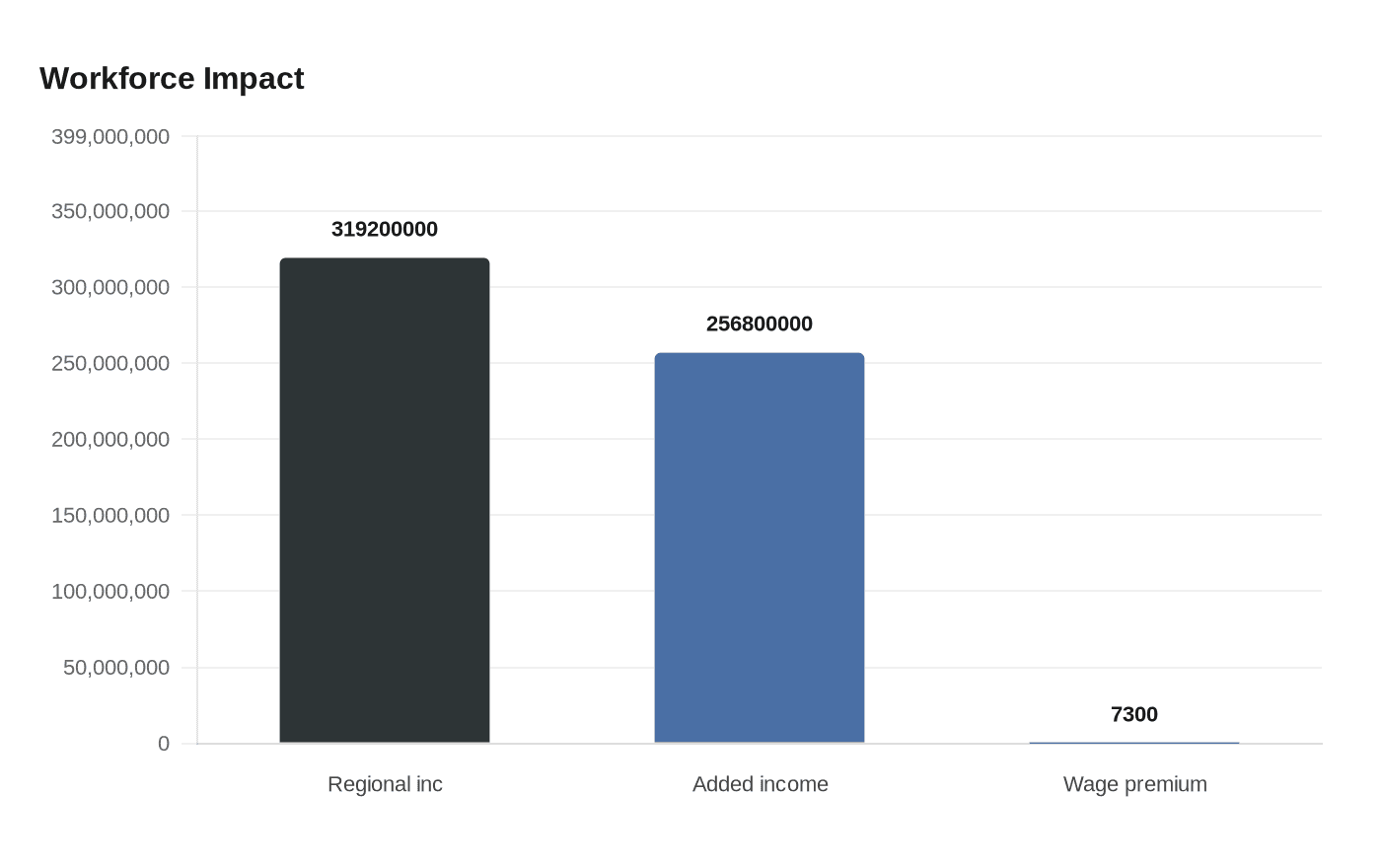
The next leader of Arizona Western College’s workforce arm will help steer a pipeline tied to $319.2 million in regional income and 4,688 jobs across Yuma and La Paz counties. As Dr. Reetika Dhawan prepares to become AWC’s 10th president in July 2026, the college’s search for an executive vice president of the Entrepreneurial College has become one of the most consequential leadership decisions in the region’s education and employer network.
AWC said five finalists remained under consideration after public forums on April 16 and April 20 at the Matador Activity Center room 106. KAWC asked each finalist the same questions, giving residents, employers and students a chance to hear how each candidate would handle a post that the college describes as the primary architect of its workforce pipelines.
That role reaches well beyond campus administration. The executive vice president oversees workforce training, career and technical education, healthcare and reskilling programs, the areas most closely tied to the college’s push to meet demand from healthcare, manufacturing, energy, information technology, agriculture, logistics and defense-related employers. AWC says it serves Yuma and La Paz communities with more than 170 degrees and certificates, and its labor-market reports rely on JobsEQ data to track unemployment, labor-force characteristics and job projections in the two-county region.
The college launched the Entrepreneurial College on May 18, 2023 as a second pillar meant to improve education and training pathways and strengthen the employer talent pipeline. AWC says that model grew out of more than 15 roundtable sessions with Oak Rose Group, internal and external stakeholders, district-wide town halls, CTE team discussions, industry leader roundtables and a workforce survey. The stakes are easy to measure. AWC’s latest economic impact study says former students employed in the local workforce generated $256.8 million in added income, while the college says associate-degree holders can expect about $7,300 more in annual wages than someone with only a high school diploma.
Among the finalists, Dr. David Campbell laid out the clearest practical roadmap. He said he would focus on better alignment between academic and workforce programs and the region’s major industries so students can move into high-demand jobs more smoothly. He also stressed flexible scheduling, short-term credentials, hybrid delivery and stronger employer partnerships, especially for working adults and rural students who face transportation, childcare and work-schedule barriers.
That approach fits a workforce system built for Yuma County’s economy, where AWC says 65 percent of jobs are in the skilled-and-technical category. It also reflects a college that has expanded its logistics portfolio, launching a logistics certification in 2024 and rolling out new logistics courses in 2025. With Dhawan moving into the presidency and Dr. Daniel Corr set to retire in July 2026, the next executive vice president will help determine how quickly AWC can turn classroom training into jobs, partnerships and measurable local growth.
This article was produced by Prism’s automated news system from verified source data, official records, and press releases, then run through automated quality and moderation checks before publishing. The system is built and supervised by the people who set the standards it runs under. Read our full AI policy.
Did this article answer your question?