Free workshop offers step-by-step business startup help in San Luis
San Luis entrepreneurs can get free, bilingual startup help June 9, with guidance on licenses, permits, funding and the city’s 16-step path to opening day.

San Luis is offering a practical shortcut from idea to opening day: a free workshop that walks new owners through the first decisions that often slow down a launch. The session is designed for anyone who wants to open a storefront, start a home-based business, or move a cross-border idea into the local economy.
A local launchpad, not just a class
The Small Business Development Center, working with the City of San Luis, is hosting the workshop at a moment when the city is pushing a clear message to would-be owners: San Luis is open for business. That matters for Yuma County because the biggest barriers to starting up are often local ones, not abstract business theory. Zoning, licenses, permits, and registration can determine whether a concept becomes a real business or stays on paper.
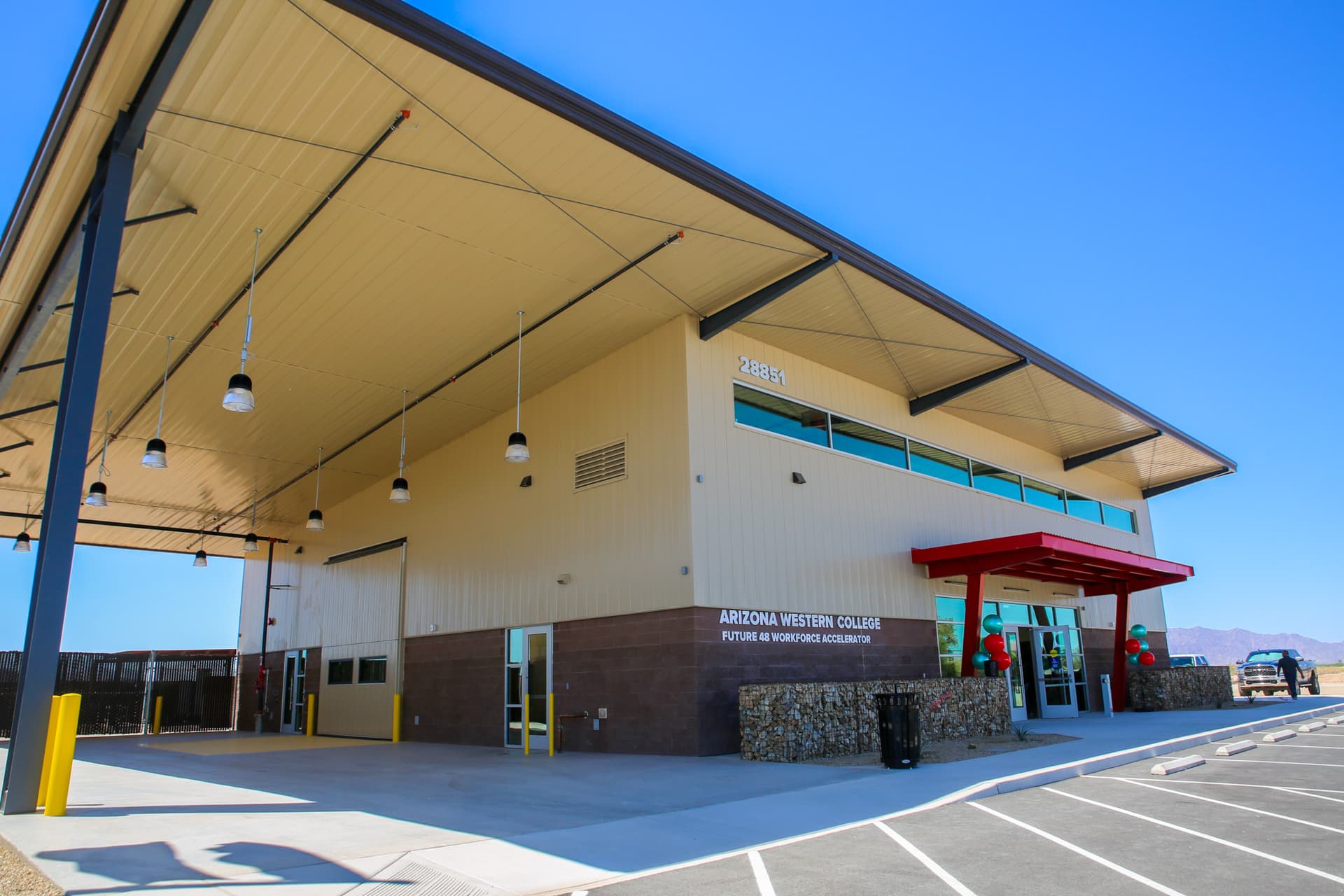
The workshop, titled How to Start a Business in San Luis, Arizona, is scheduled for Tuesday, June 9, 2026, from 5:30 p.m. to 6:45 p.m. It will be held at the Arizona Western College San Luis Learning Center, 1340 N. 8th Avenue, San Luis, Arizona 85349, and it will be offered both in person and via Zoom. The event is free, open to all, and set up to give new entrepreneurs a direct path into the city’s startup system.
What attendees will actually learn
This is not a general motivational seminar. The agenda is built around the steps that determine whether a business can legally and financially get off the ground. Topics include planning a business, market research, the eight steps to starting a business, choosing a business structure, selecting a location, funding a startup, and basic compliance items such as EIN, TPT, licensing, and permits.
That mix is important because early mistakes usually happen in the same few places. Owners may underestimate startup costs, choose a location before checking zoning, or delay licensing until after they have already signed a lease. By covering the planning and compliance pieces together, the workshop is meant to help people avoid the kind of missteps that can burn time and cash before the first sale.
For questions, the contact is Team SBDC at 928-317-6151 or teamsbdc@azwestern.edu. The Arizona Western College Small Business Development Center says it provides bilingual, English and Spanish advising, resource assistance, and training in Yuma and La Paz counties, which gives the workshop a broader local reach than a single evening session.
How San Luis turns a workshop into a real business
The city’s pitch to entrepreneurs goes beyond classroom advice. Through the San Luis Economic Development Department, officials point new owners to a 16-step startup guide that moves from defining the business and securing financing to zoning, licensing, permitting, and city business registration. That step-by-step structure is the part that can turn an idea into a permitted operation in a neighborhood, industrial park, or commercial corridor.
The city says its support reaches restaurants, industrial facilities, and other ventures, which reflects how varied the local startup market can be. A home-based service business may need a different path than a retail shop, while a small food operation may have to navigate health and location requirements that a consulting business never faces. The city’s message is that those differences can be sorted out early, before owners commit money to a lease, equipment, or inventory.
The city also directs entrepreneurs toward SBA resources and the Arizona Western College SBDC. That layered support matters for first-time owners, especially those balancing startup questions with family obligations, bilingual customer bases, or the logistics of serving both sides of the border economy.
Where a new business can grow
For entrepreneurs who need more than advice, the local ecosystem includes the San Luis Business Incubator, a 20,000-square-foot facility in the San Luis Industrial Park at 415 N. Henry Chavez Ct., San Luis, Arizona 85349. The building has seven suites for start-up and expanding light-industrial businesses, giving companies a place to grow without immediately taking on a full standalone site.
The incubator’s setup is designed to lower the practical barriers that often keep businesses small for too long. It offers annual or three-year lease options, a receptionist, water and sewer inclusion, paved parking, high-speed internet, a video conference and training room, and on-site training programs. For a business that needs credibility, a professional address, and room to expand, that combination can make the difference between operating out of a garage and moving into a visible business location.
That is why the workshop matters in a local economic sense, not just an educational one. A person who leaves with a business structure in mind, a better sense of market demand, and a clear understanding of licensing can move faster toward a storefront or a formal operating space in San Luis.
Part of a longer small-business push
The June workshop is also part of a broader run of business development in San Luis. In November 2024, the city partnered on the Fuerza Local Arizona business development program, and in 2025 San Luis held a small business resource fair that highlighted the first graduating class of the Fuerza Local San Luis Business Accelerator Program.
That progression signals a local strategy rather than a one-off event. San Luis has been building a pipeline that starts with training, moves through accelerator support, and connects to real spaces where businesses can open and expand. For Yuma County, that means the next visible growth story may not come from a large outside employer alone, but from a cluster of local owners who use these tools to launch sooner and with fewer costly mistakes.
This article was produced by Prism’s automated news system from verified source data, official records, and press releases, then run through automated quality and moderation checks before publishing. The system is built and supervised by the people who set the standards it runs under. Read our full AI policy.
Know something we missed? Have a correction or additional information?
Submit a Tip