Heavy November Rain Soaks Yuma County, Floods Streets and Parks
Heavy rain swept through Yuma County on Friday, November 21, producing flooded streets, soggy parks, and residents documenting the weather with photos and short videos. The event matters locally because it stressed infrastructure in an area known for arid conditions and highlights potential costs for maintenance, public safety, and local commerce.
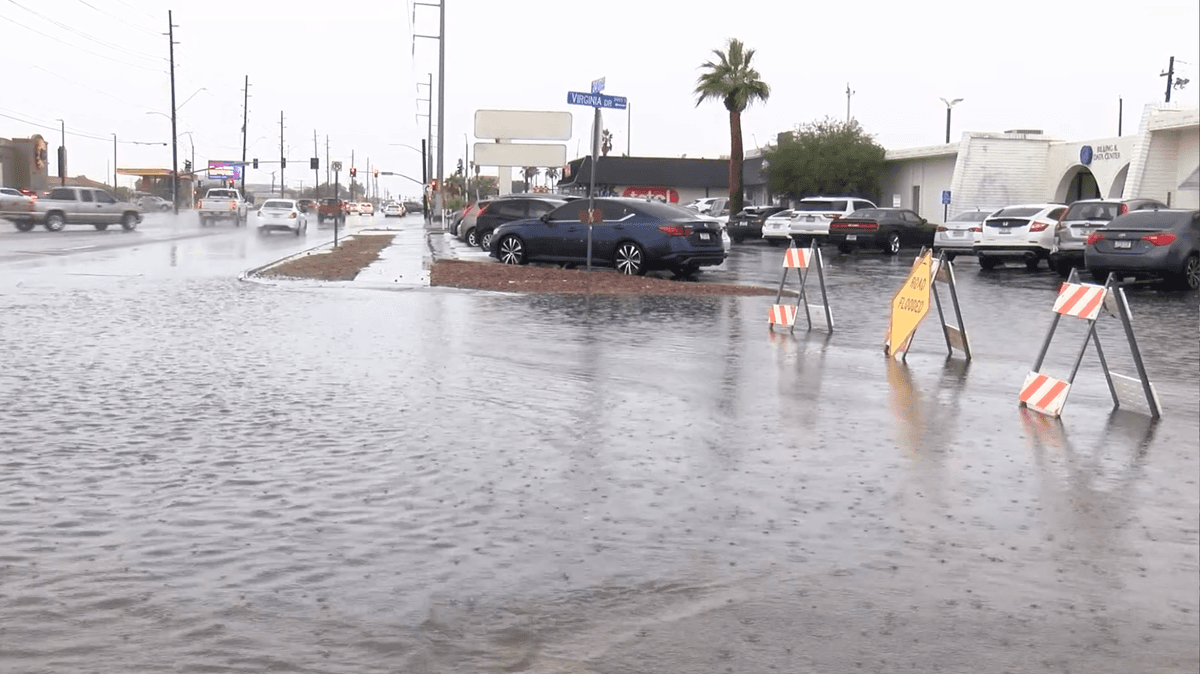
Yuma County experienced a notable rain event on Friday, November 21 that left streets impassable in places and parks saturated across multiple neighborhoods. Photographs and short video clips captured during and after the storm show standing water on roadways, drenched public spaces, and residents photographing the conditions, providing a countywide visual record of an otherwise uncommon wet day.
Immediate impacts centered on transportation and public space use. Flooded streets can disrupt commuting patterns and deliveries, reduce foot traffic for local retailers, and create short term safety hazards for drivers and pedestrians. Wet parks and public grounds require additional maintenance, and standing water raises concerns about drainage systems that in many parts of the county are designed primarily for infrequent runoff rather than prolonged saturation.
The economic implications extend beyond clean up. Local governments typically absorb costs for street sweeping, storm drain clearing, and repairs to curbs and pavement. Those expenses can pressure municipal budgets during the winter season when planning for road maintenance and emergency response is already underway. Businesses reliant on steady customer access may face reduced sales on affected days, while service and delivery industries could see schedule disruptions that ripple through regional supply chains.

In broader context, Yuma County’s climate is characterized by generally dry conditions, so a widespread rain event draws attention to infrastructure resilience. Municipal policy choices now have measurable trade offs. Investing in improved stormwater management and drainage upgrades would raise near term expenditures but could reduce repair bills and economic disruption from similar events in the future. Emergency management plans and public communication systems also merit review to ensure timely alerts and guidance when ephemeral but intense rain events occur.
For residents and local officials, the November 21 storm is a reminder to monitor public infrastructure, account for weather related costs in budgeting cycles, and consider targeted investments that protect transportation access and municipal assets. Visual documentation from the event offers a useful record to prioritize repairs and to inform planning for future weather variability.
Know something we missed? Have a correction or additional information?
Submit a Tip