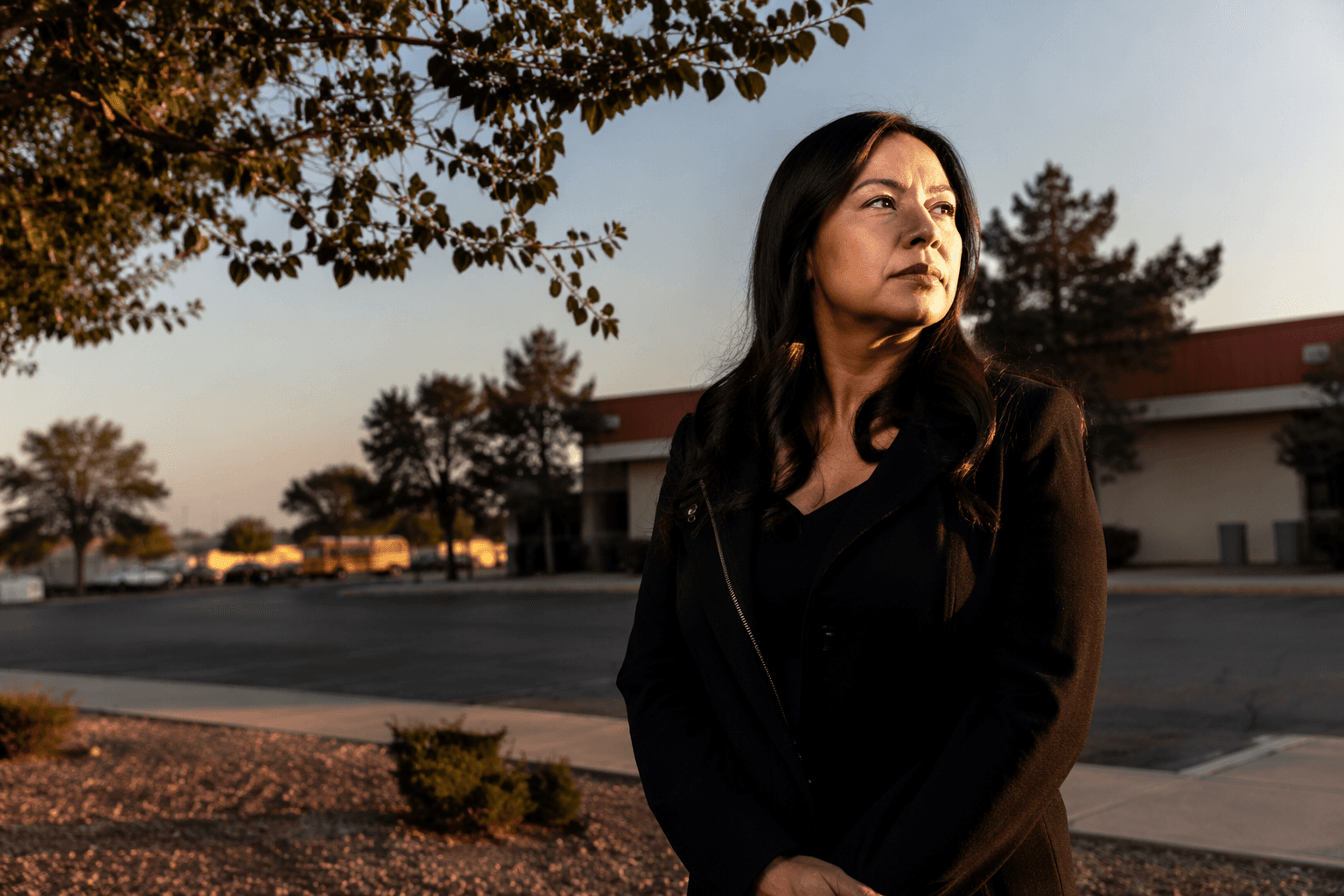
KAWC Student Report Links Algorithm Overload to Youth Burnout, Offers Tips
Gen Z averages nine hours of daily screen time, and a 4-minute KAWC student report by Chloe Michael connects that number to surging burnout rates, with local steps to fight back.

Nine hours. That is how much screen time Gen Z averages each day, according to 2026 tracking data, and Arizona Western College student-reporter Chloe Michael argues in a new KAWC feature that those hours are not simply a lifestyle choice. They are the predictable output of platforms engineered to keep users scrolling, reacting, and returning, regardless of the cost to focus, mental health, or the quality of information people absorb in the process.
Michael's four-minute audio feature, "Finding balance in an age of algorithms," produced inside KAWC's student newsroom, frames algorithm-driven content as both an information problem and a public-health problem for Yuma. The piece draws on American Psychological Association research showing that millennials and Gen Z report higher rates of burnout than any prior generation, a disparity the APA ties directly to constant connectivity and the emotional amplification baked into algorithmically curated feeds.
What the algorithm is actually doing to your brain
AWC professor Monica Ketchum Cardenas anchors the report's academic argument. Her commentary explains how polarized news ecosystems are not accidental: algorithms surface emotionally charged content because that content drives engagement, and engagement is what the platforms monetize. The side effect is a progressively narrowed information diet that distorts how users, including Yuma students, parents, and voters, understand the world around them.
Ketchum Cardenas's point extends beyond personal wellness. When community members in Yuma encounter algorithmically filtered versions of local issues, whether a school board vote, a water rights debate, or a civic election, their ability to deliberate with neighbors across different perspectives shrinks. The professor's message, as relayed through Michael's report, is that seeking out balanced sources is less a self-improvement project and more a basic requirement of civic participation.
The attention tax at AWC and in Yuma workplaces
For AWC students already managing coursework, part-time jobs, and family obligations, the costs show up in concrete ways: shattered study blocks, degraded reading comprehension, and the mental recovery time required to return to complex tasks after a notification pulls focus. MetLife's 2025 Employee Benefit Trends Study found Gen Z workers are 44% more likely to report burnout than the average employee, and 35% say they feel depressed at work, nearly double the rate reported among older age groups. Those workers clock in at Yuma businesses every morning.
The productivity toll on employers is not abstract. Research compiled in 2025 estimates burnout costs businesses $322 billion annually in lost output. For Yuma managers onboarding employees to information-dense roles, or for supervisors navigating interpersonal conflict sharpened by a polarized media environment, the algorithm's downstream effects show up in slower decisions, higher turnover, and a workforce that arrives distracted before the workday begins.
Fighting back: Yuma resources you can use today
Michael's report recommends four categories of intervention, and Yuma already has institutions and tools to support each one:
- Schedule phone-free windows. A 30-minute block before bed or during lunch breaks is the entry point. iPhone users can activate Focus mode under Settings; Android users access the equivalent through Digital Wellbeing. AWC's campus counseling services are available to students who find digital disconnection harder than expected.
- Use your phone's own tracking against the algorithm. iOS Screen Time and Android Digital Wellbeing generate weekly breakdowns showing exactly which apps consumed the most hours. The data alone tends to prompt behavior change. Students can access the AWC/NAU-Yuma Academic Library's multimedia learning spaces, which opened in October 2024, as a structured, low-distraction environment for focused study.
- Diversify your sources with intention. Ketchum Cardenas's core advice is to actively seek out sources that sit outside your existing feed rather than waiting for the algorithm to serve them. Yuma residents can layer KAWC public radio programming and the Yuma Sun alongside national outlets that follow different editorial frameworks, building a broader information diet without abandoning digital platforms entirely.
- Verify before you share. The report recommends a brief pause before resharing any emotionally charged post: cross-reference the claim with a second source and check the publication's editorial background. One unverified share can introduce distorted information into a conversation that your neighbors, coworkers, or fellow AWC students will then have to navigate.
- Yuma County Library District workshops. The library district, which operates a Main Branch and seven additional locations across the county, periodically offers digital literacy programming for adults and teens. Staff at any branch can direct patrons to upcoming sessions or connect them with online equivalents.
- AWC Academic Success Center. Students whose concentration and coursework are suffering can access tutoring support at the Academic Success Center alongside campus counseling. Faculty like Ketchum Cardenas are a direct contact point for students who want to understand how media environments shape learning at a structural level.
Why institutions need to carry their share
Michael's report makes clear that individual behavior change, while necessary, is not sufficient. She calls on schools, libraries, and community radio stations to build media literacy into their regular programming, creating environments where residents practice evaluating content critically before it shapes their beliefs or their votes. KAWC's student newsroom, by producing this report in the first place, is practicing the model it advocates: locally grounded, expert-informed journalism accessible to listeners who are not already searching for academic research on algorithmic design.
Whether Yuma's school districts and the library district accelerate media literacy offerings in response will become visible over the coming months. Community mental-health providers may also begin tracking whether digital-stress-related contacts rise during summer, when screen time historically climbs as school structure disappears.
The algorithm was never going to put Chloe Michael's four minutes of audio in your feed. That is precisely why it matters.
This article was produced by Prism’s automated news system from verified source data, official records, and press releases, then run through automated quality and moderation checks before publishing. The system is built and supervised by the people who set the standards it runs under. Read our full AI policy.
Did this article answer your question?