KYMA Medical Minutes Explains Sepsis Symptoms, Risks for Yuma Residents
Sepsis kills at least 350,000 Americans a year, and a Yuma nurse practitioner says you may not recognize the warning signs until it's too late.
Sepsis does not announce itself gradually. It is the body's extreme response to an infection, and it is a life-threatening medical emergency. That urgency is exactly what Mitzi Pacheco, a nurse practitioner with Exceptional Community Hospital (ECH) in Yuma, wants every Yuma County resident to understand. In a recent "Medical Minutes" segment on KYMA KECY, Pacheco broke down what sepsis is, what warning signs to watch for, and where to go if those signs appear — information that could make the difference between recovery and catastrophe.
Why Sepsis Demands Immediate Attention
The scale of the problem is staggering. According to the Centers for Disease Control and Prevention, sepsis affects 1.7 million adults in the United States each year, and at least 350,000 of those adults die or end up in hospice care. One in three patients who died in a hospital had sepsis during their hospitalization. Despite those numbers, many people still do not recognize the condition until it has already progressed to a dangerous stage.
Sepsis happens when an infection you already have triggers a chain reaction throughout your body. The body's inflammatory response spirals out of control, leading to blood clots, leaky blood vessels, and dangerously low blood pressure, which deprives the body's organs of oxygen. Speed is everything: treatment for sepsis is most effective when started early.
Pacheco's KYMA segment put the danger plainly: "When not treated quickly, it can quickly lead to organ failure. Warning signs would include fever, very low body temperatures, confusion, rapid breathing, chills, severe pain, and or weakness," says Pacheco.
The Warning Signs You Should Know
The list Pacheco provided covers a wide range of physical signals, which reflects just how unpredictably sepsis can present. Many of these symptoms are easy to dismiss as signs of ordinary illness, which is part of what makes sepsis so dangerous. Making a diagnosis can be challenging because the symptoms of early sepsis can be similar to other serious conditions, including heart attack or stroke.
Based on Pacheco's guidance, here are the key warning signs that warrant emergency evaluation:
- Fever
- Very low body temperature
- Confusion or altered mental state
- Rapid breathing
- Chills
- Severe pain
- Weakness
The combination of any of these symptoms, particularly in someone already fighting an illness, should be treated as a potential emergency. Sepsis can cause different signs and symptoms at different times, which is why clinicians urge the public not to wait and see. Without fast treatment, sepsis can quickly lead to tissue damage, organ failure, and death.
Who Is Most at Risk
Anyone can get an infection, and almost any infection can lead to sepsis. The people at highest risk are infants, children, older adults, and vulnerable people who have underlying medical problems, have concurrent injuries or surgeries, or are taking certain medications. Sepsis is always a serious condition, but people living with HIV, tuberculosis, malaria, and other infectious diseases are at higher risk.
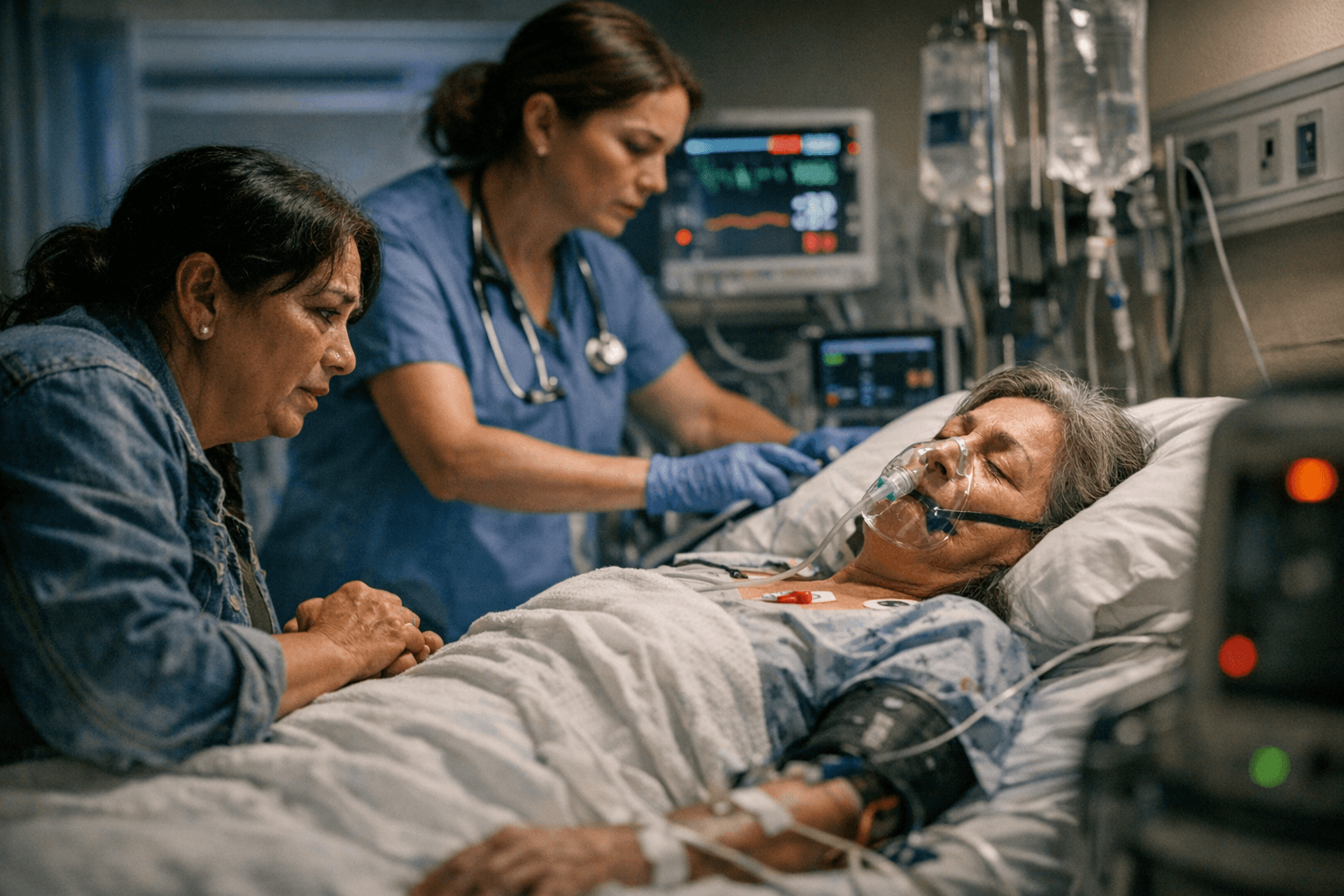
Arizona residents face a heightened regional context. Georgia, Texas, West Virginia, Arizona, and Florida had the highest population rates of sepsis-related inpatient stays among all U.S. states, according to federal hospital data. That ranking makes community education efforts like Pacheco's KYMA segment particularly consequential for Yuma County families.
What Happens in the ER
Once a patient arrives at an emergency room, clinicians move quickly to evaluate and confirm sepsis. Healthcare providers diagnose sepsis through a physical exam and other tests, including blood tests, cultures from the blood and other body sites, and sometimes X-rays or other radiologic tests. The faster treatment begins, the better your outcome.
Treatment typically involves a combination of interventions tailored to the infection's severity. If bacterial infection is confirmed, antibiotics are administered; intravenous fluids are given to maintain blood flow to organs and prevent blood pressure from dropping too low. In severe cases, if organ failure occurs, other treatments may be needed, including dialysis for kidney failure or mechanical ventilation for respiratory failure.
Where to Go in Yuma County
For Yuma residents facing any of the warning signs Pacheco described, the guidance from ECH is direct: go to the ER. ECH Yuma is open 24/7 with low wait times, and if anyone is experiencing symptoms of sepsis, they should head to the emergency room immediately.
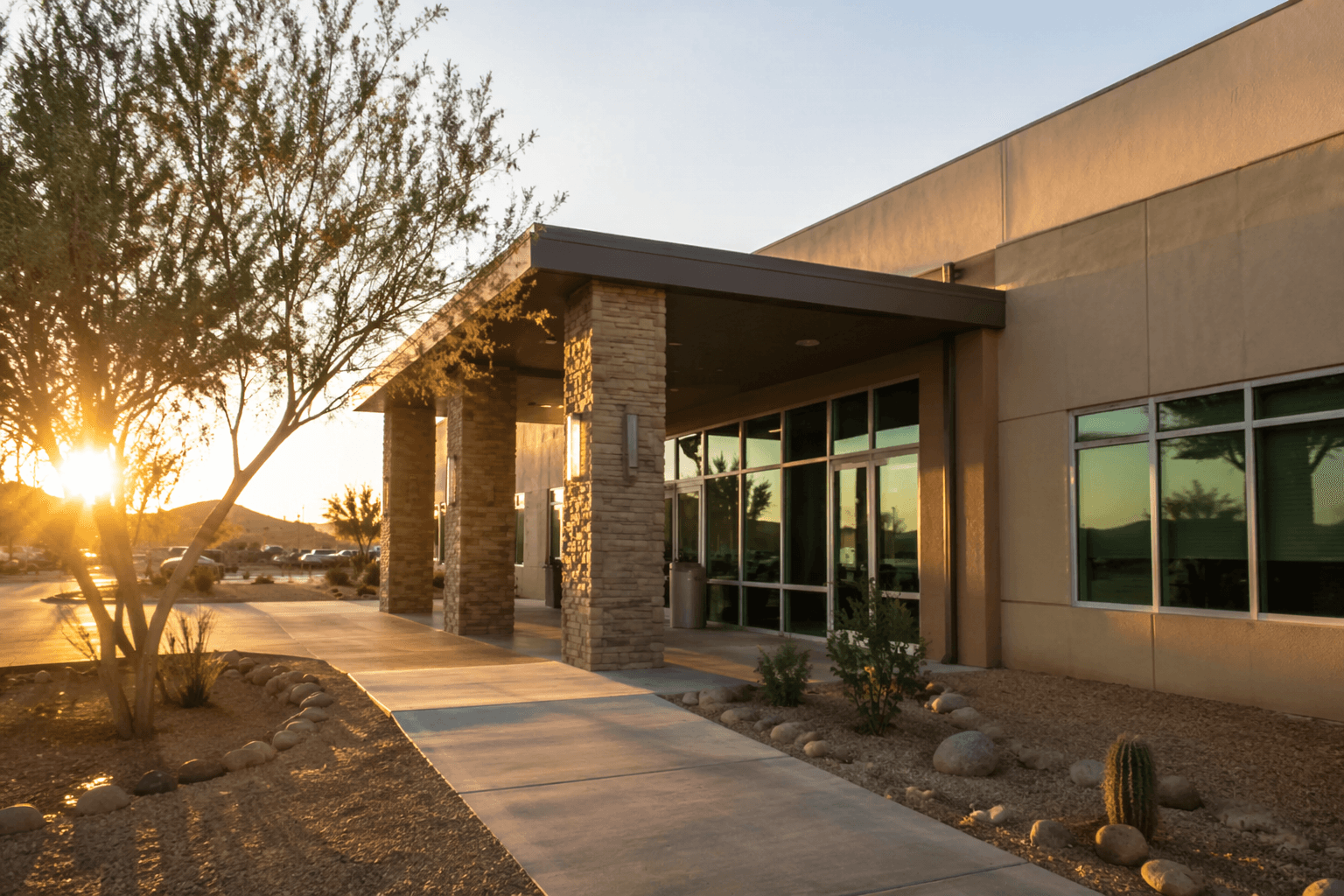
Exceptional Community Hospital Yuma is located at 2648 Araby Rd, Yuma, AZ 85365, and is open 24 hours a day, every day of the week. The hospital's mission is to support the health and well-being of the Yuma community by providing 24-hour emergency care and comprehensive inpatient services. Streamlined check-in processes are designed to have patients seen by a physician within minutes, not hours, which matters enormously in a condition where every hour counts.
Since opening in Yuma, the hospital has serviced over 45,000 patients and offers a 24-hour emergency room, cardiology, and radiology services. All Arizona ECH hospitals are in-network with Blue Cross Blue Shield of Arizona, and the hospital also accepts all insurance plans, including Medicare, Medicaid, and TRICARE.
Don't Wait to Find Out
Pacheco's message on KYMA's "Medical Minutes" series is a reminder that sepsis rarely gives patients the luxury of time. The warning signs she listed, from fever and chills to confusion and severe pain, are the body's distress signals, and recognizing them early is the first and most critical step. If something feels seriously wrong after any kind of infection or illness, the ER at ECH Yuma on Araby Road is staffed and ready around the clock. Early diagnosis and timely clinical management are crucial to increase the likelihood of survival.
This article was produced by Prism’s automated news system from verified source data, official records, and press releases, then run through automated quality and moderation checks before publishing. The system is built and supervised by the people who set the standards it runs under. Read our full AI policy.
Did this article answer your question?