Marines Train at MCAS Yuma, Conduct Advanced KC-130J Tactical Operations
MAWTS-1 aircrews put a KC-130J Hercules through a D-STOVL operation at MCAS Yuma on April 1, the latest evolution in the seven-week WTI 2-26 advanced aviation course.
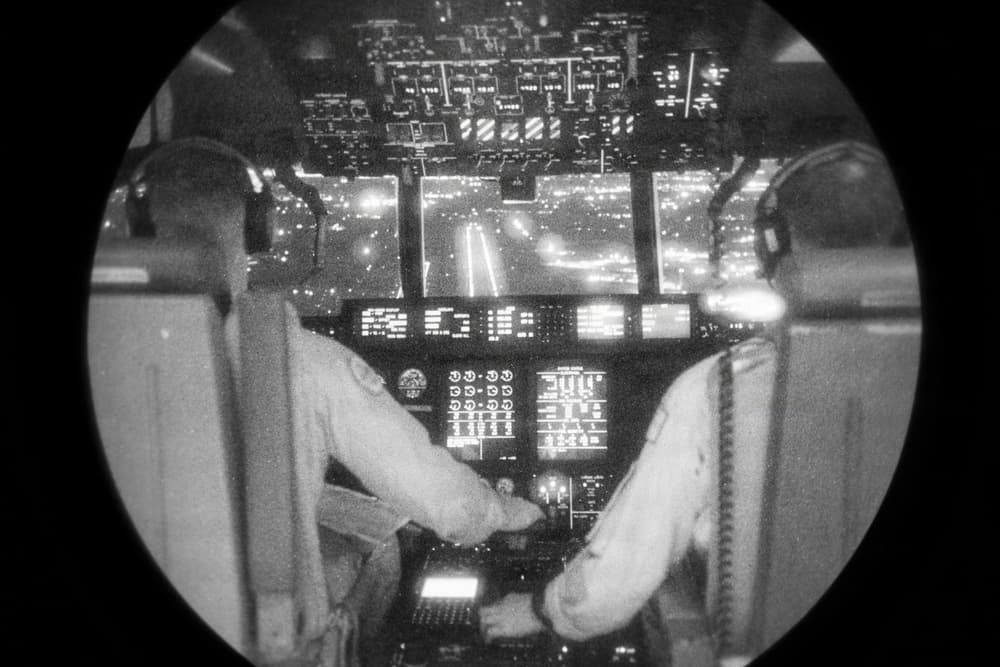
Marines assigned to Marine Aviation Weapons and Tactics Squadron-1 executed a KC-130J Hercules distributed short takeoff and vertical landing operation at Marine Corps Air Station Yuma on April 1 as part of Weapons and Tactics Instructor course 2-26, a seven-week advanced training event built around the integrated capabilities of Marine aviation in support of joint and coalition forces.
The D-STOVL operation placed a KC-130J Hercules at the center of a complex tactical scenario, with MAWTS-1 aircrews performing the landing evolution as part of the broader WTI 2-26 curriculum. Defense Visual Information Distribution Service photographer Sgt. Andrew King documented the training on the flight line, and the images were cleared and released publicly on April 4.
WTI is structured to test the seven functions of Marine aviation under realistic, high-pressure conditions, requiring coordination across fixed-wing, rotary-wing, and ground elements simultaneously. MAWTS-1 runs the course from its home at MCAS Yuma, using the seven-week format to push aircrews and tactical units through the full spectrum of scenarios they would face during an actual deployment. The KC-130J's role in a D-STOVL operation reflects the Marine Corps' emphasis on distributed expeditionary concepts, in which the aircraft's ability to support operations from austere or improvised fields gives commanders the flexibility to disperse forces away from fixed installations.
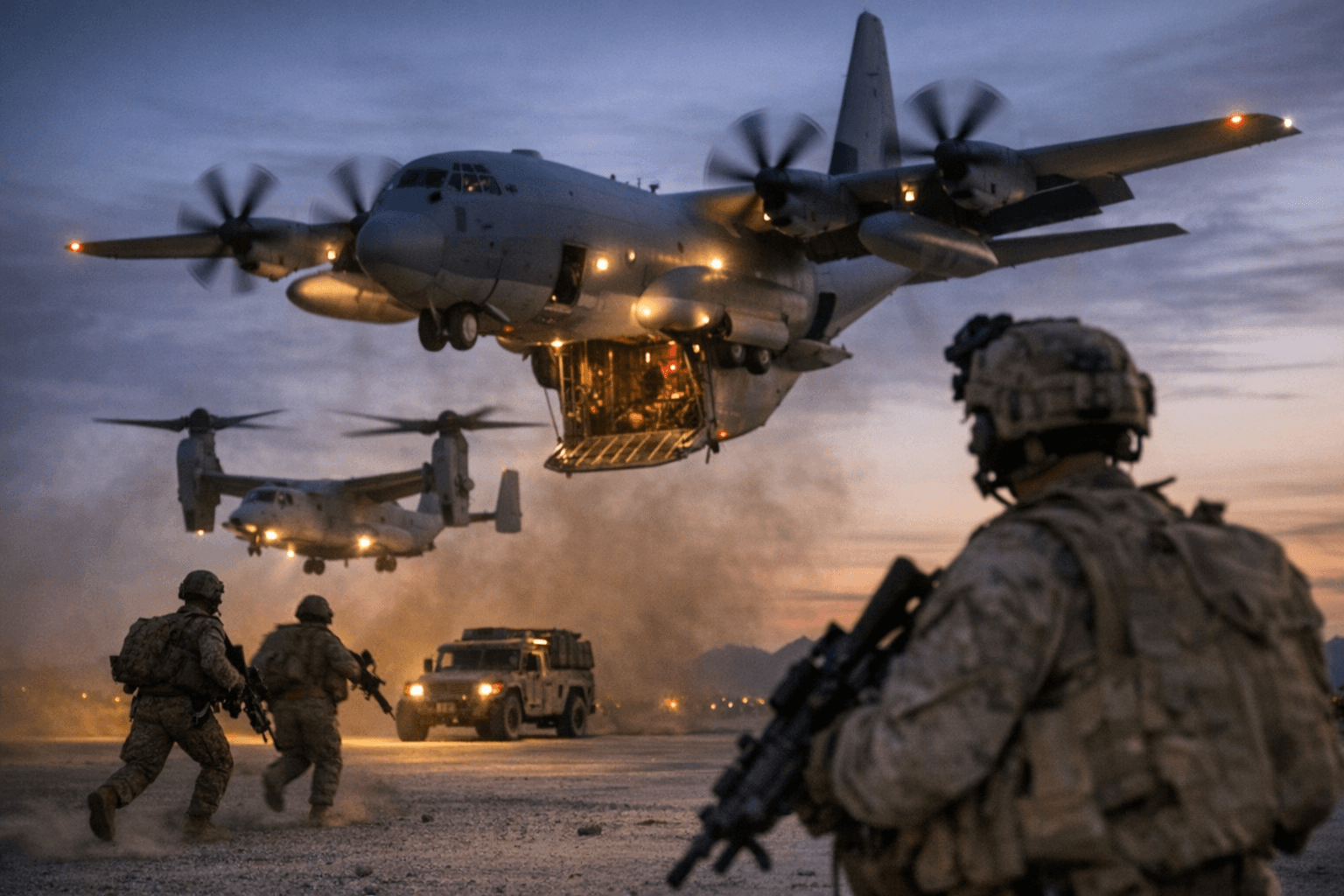
For Yuma County, the WTI cycle carries practical weight beyond the flight line. Multi-week exercises that draw Marines, aircrews, and support personnel to MCAS Yuma generate measurable activity in local lodging, dining, and service businesses. Residents in communities adjacent to the base's training ranges are accustomed to heightened aircraft operations during WTI periods, and the public release of DVIDS imagery from sessions like WTI 2-26 gives local civic organizations, veterans' groups, and business leaders direct visibility into what is happening at the installation next door.
WTI 2-26 represents one of the more demanding rotations in the annual training calendar at MCAS Yuma, and its continuation into April signals the base's sustained operational tempo as the spring training season reaches full stride.
This article was produced by Prism’s automated news system from verified source data, official records, and press releases, then run through automated quality and moderation checks before publishing. The system is built and supervised by the people who set the standards it runs under. Read our full AI policy.
Did this article answer your question?