Monsoon moisture brings hot, humid start to the week in Yuma County
Humidity pushed Yuma County into a hotter, riskier stretch as Yuma hit 109 and storms flared west of Somerton, signaling monsoon season’s arrival.
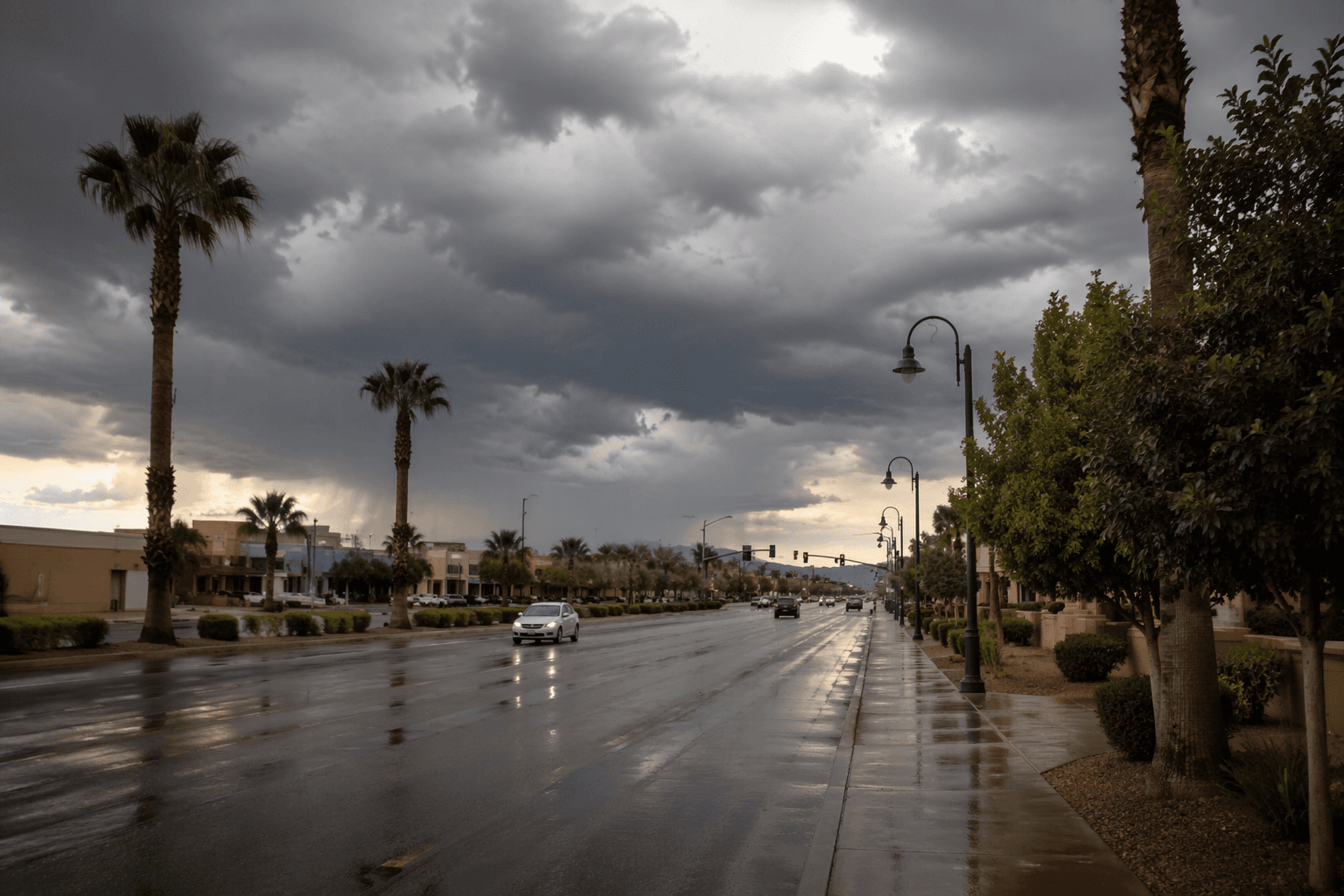
Monsoon moisture turned an already brutal stretch of desert heat into a more dangerous mix of high temperatures and sticky air across Yuma County, where the first week of the season brought both triple-digit readings and scattered storm activity. The combination raised the risk for outdoor workers, farm crews, students in summer programs and people without reliable cooling.
Yuma reached 109 degrees and El Centro climbed to 112 as dew points stayed in the high 50s, a sign that the air remained humid even as the temperatures eased only slightly later in the week. KYMA said the county was headed into a hot and humid start to the week, with hotter weather into Tuesday and only modest relief by midweek.
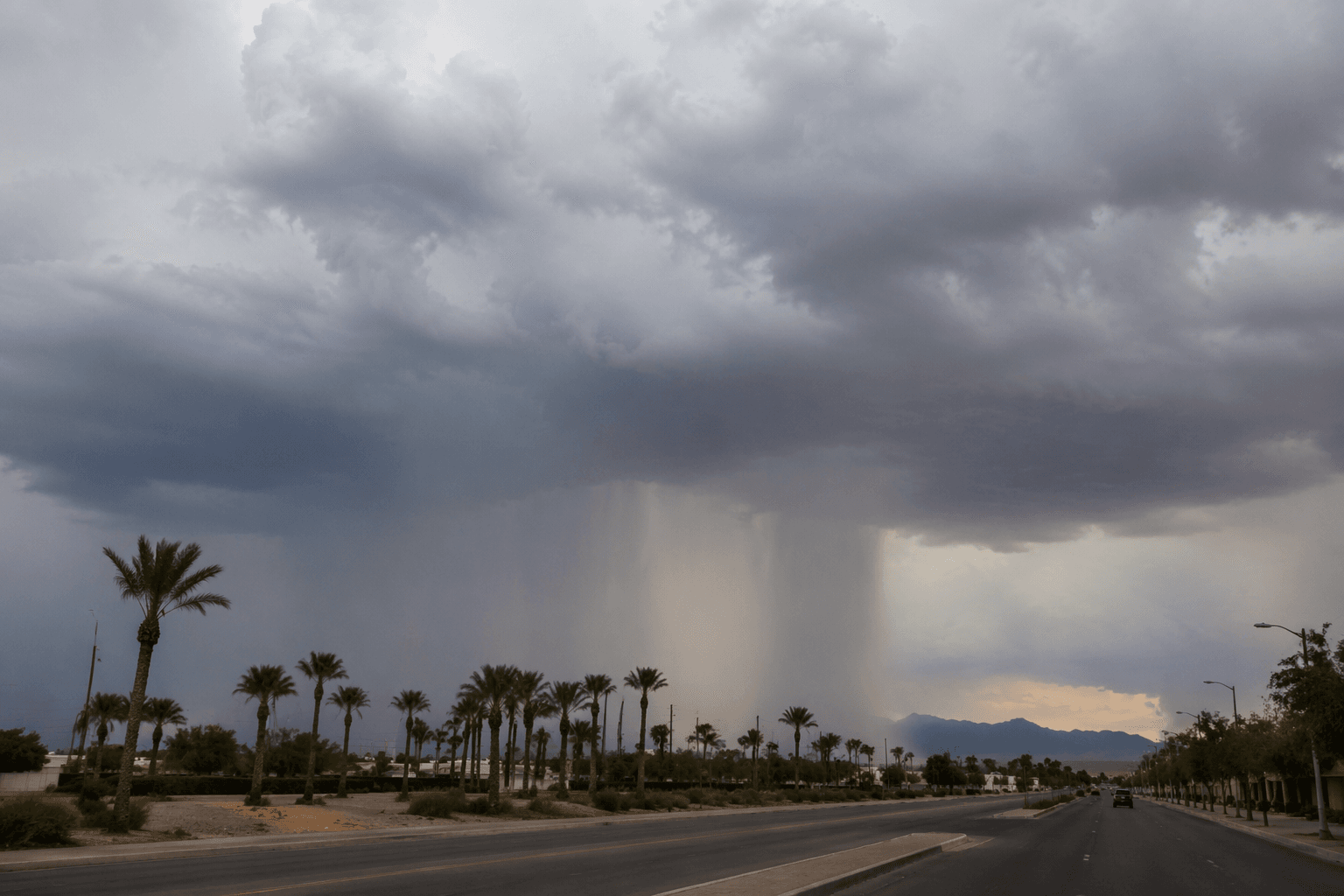
The change in pattern was already visible west of Somerton, where isolated storms brought lightning, rain and thunder earlier in the day. That kind of abrupt shift is one of the defining hazards of Arizona’s monsoon season, which officially began June 15 and runs through September 30, when thunderstorms can quickly deliver heavy rain, damaging winds, dust storms and flash flooding.
The National Weather Service’s Monsoon Awareness Week, held June 7 through 13, focused on exactly those risks, including extreme heat, flash flooding, lightning, downburst winds and dust storms. For Yuma County, that means the start of summer is no longer just about coping with dry heat. Moisture in the air can push conditions from uncomfortable to hazardous faster, especially during the hottest part of the day.
The CDC says people who work outdoors or in hot indoor environments can develop occupational heat stress and are at risk for heat-related illness. Water, rest and training are among the key protections, and those precautions matter most when the heat index climbs and the body has less ability to cool itself.
That is the reality of summer in Yuma, where the hot season typically runs from about June 1 through September 23 and average daily highs stay above 99 degrees. July is usually the hottest month, with an average high of 107, but June can also turn volatile: much of the month is usually dry, yet records show the city’s wettest June reached 0.62 inches in 1912. With western Arizona and much of south-central Arizona listed in the National Weather Service’s above-normal precipitation outlook, the county is entering the stretch when heat, humidity and sudden storms can all hit at once.
This article was produced by Prism’s automated news system from verified source data, official records, and press releases, then run through automated quality and moderation checks before publishing. The system is built and supervised by the people who set the standards it runs under. Read our full AI policy.
Know something we missed? Have a correction or additional information?
Submit a Tip