NAU Yuma symposium spotlights student research tied to regional needs
NAU Yuma’s third symposium put student research on food insecurity, homelessness and technical skills in front of local stakes at AWC Schoening Center.
Student research at Northern Arizona University’s Yuma campus landed squarely on Yuma County’s daily pressures, from food insecurity in border communities and youth homelessness to hands-on engineering work meant to build job-ready skills.
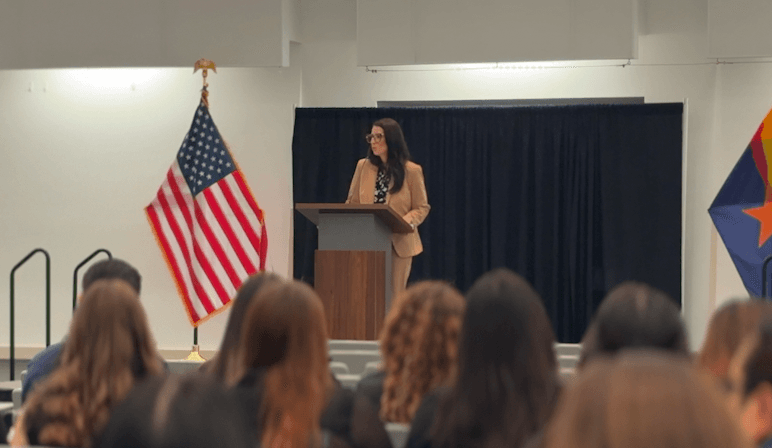
The campus held its third annual Student Research Symposium on April 16 at Arizona Western College’s Schoening Center, with online presentations the day before. The two-day schedule underscored how the event has grown into a regular part of NAU Yuma’s calendar, not just a one-off showcase.
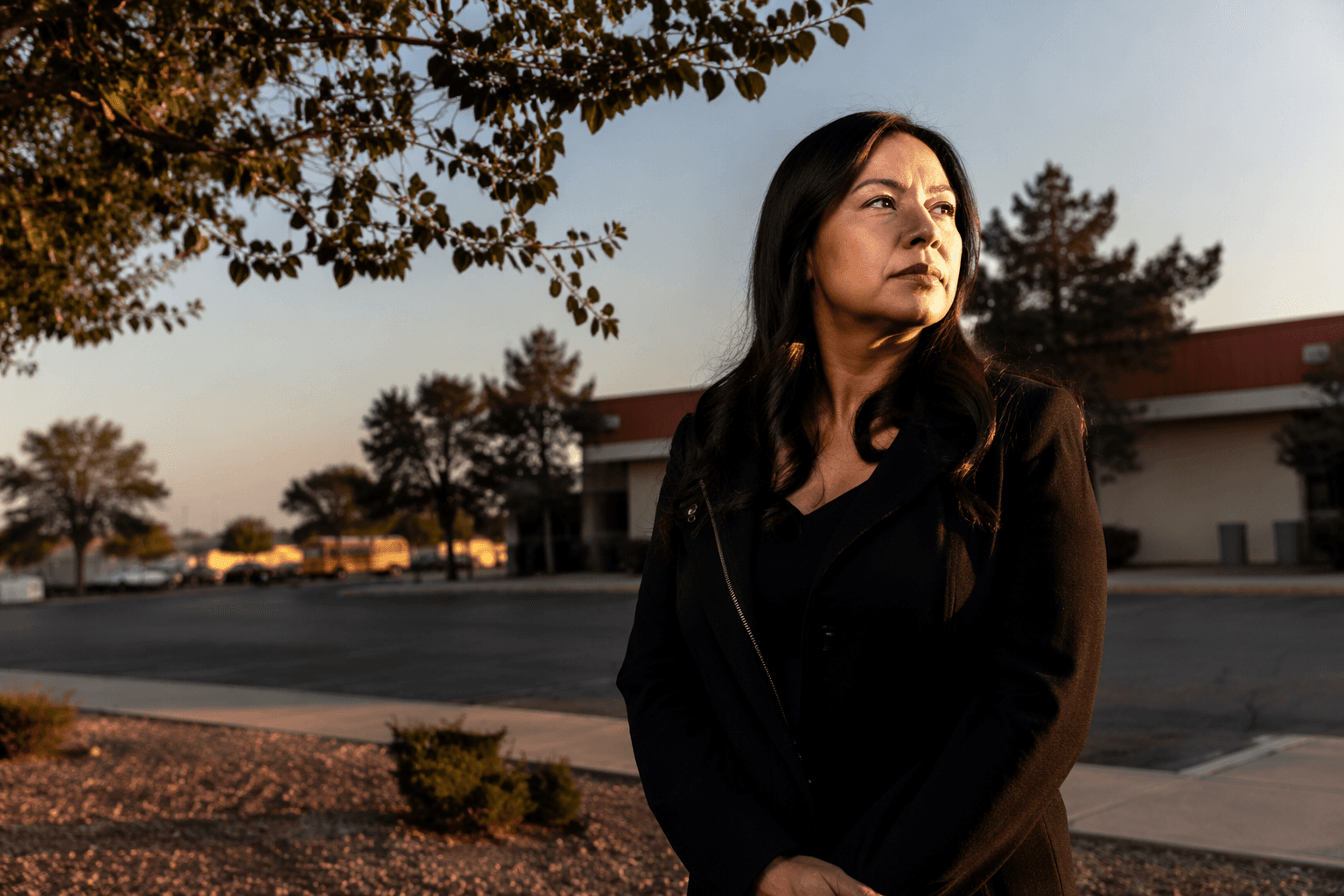
The keynote came from Dr. Stephanie Parra, a Yuma native, first-generation American and daughter of Mexican immigrants who has led ALL In Education and served on the Phoenix Union High School District board. Her message to students fit the broader tone of the symposium, where the point was not academic display for its own sake but practical problem-solving rooted in local experience.
NAU says the Yuma symposium spans sciences, humanities, engineering, business and education, and the campus draws students primarily from Yuma, La Paz and Imperial counties. That matters in a region where college, workforce and community needs often overlap. Research topics at the symposium reflected that overlap, including food insecurity in U.S.-Mexico border communities and youth homelessness, issues that local agencies, schools and employers confront every day.
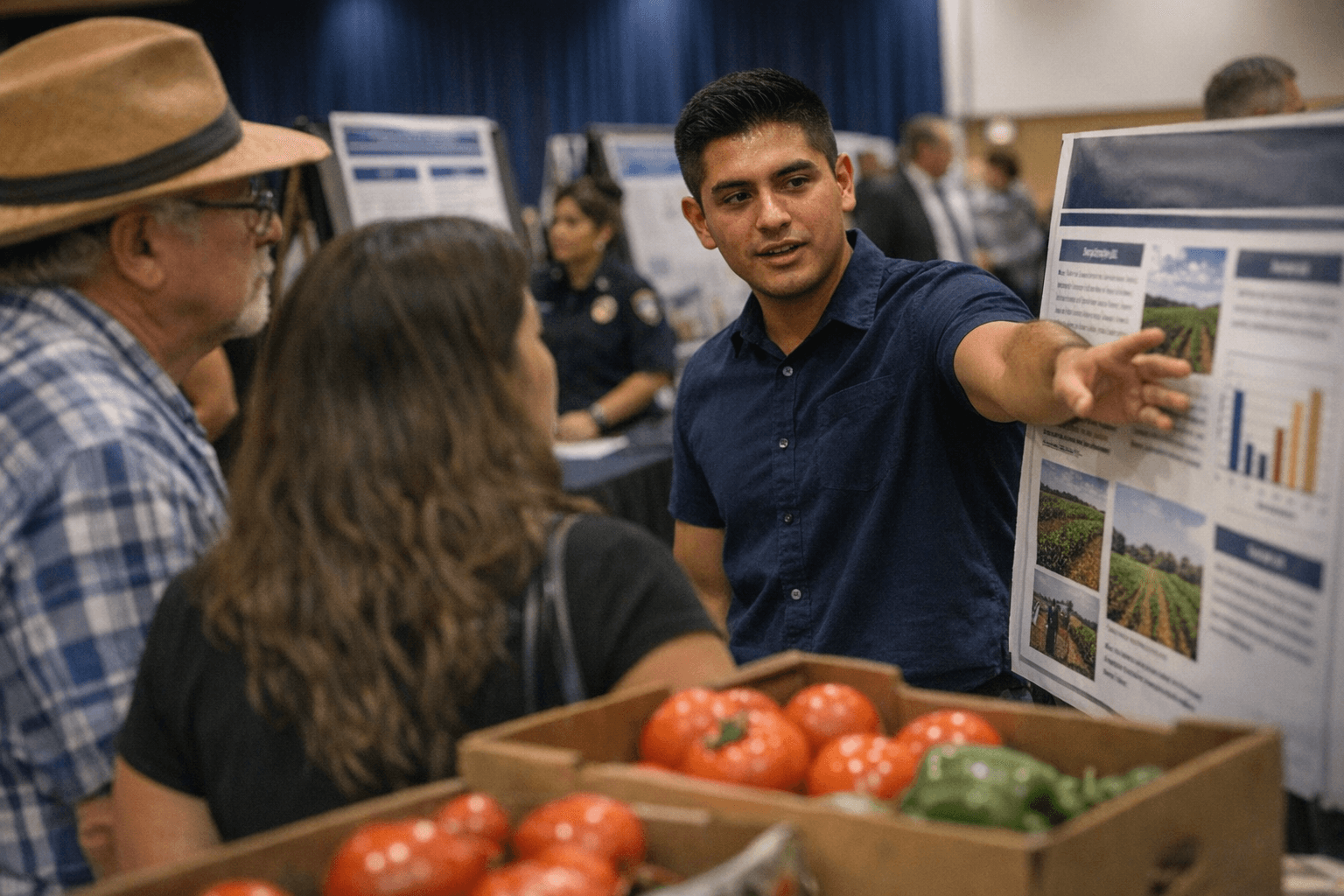
One of the clearest examples of that bridge from classroom to career came from John Beler, who said his group built a vehicular project from the ground up. He described the work as about 40 hours of effort, a detail that showed how the symposium pushes students beyond posters and presentations into the kind of technical problem-solving that can translate into local jobs.
NAU Yuma’s campus says it operates in a bi-national, multicultural border environment, and this year’s symposium reinforced that identity. Students were not presenting abstract topics detached from Yuma County. They were working on problems shaped by the same communities that will hire them, serve them and rely on them.
The event also showed steady growth. NAU Yuma’s inaugural Student Research Symposium in 2024 featured more than 150 students, and the second annual event drew over 200 students in person and online. Three years in, the symposium is becoming a clearer pipeline from classroom research to community fixes, business applications and the talent base local institutions will need next.
This article was produced by Prism’s automated news system from verified source data, official records, and press releases, then run through automated quality and moderation checks before publishing. The system is built and supervised by the people who set the standards it runs under. Read our full AI policy.
Did this article answer your question?