Sanguinetti House preserves story of Yuma's rise through merchant prince
The Sanguinetti House shows how one merchant family helped build downtown Yuma, from railroad-era commerce on Madison Avenue to a museum that still shapes tourism.
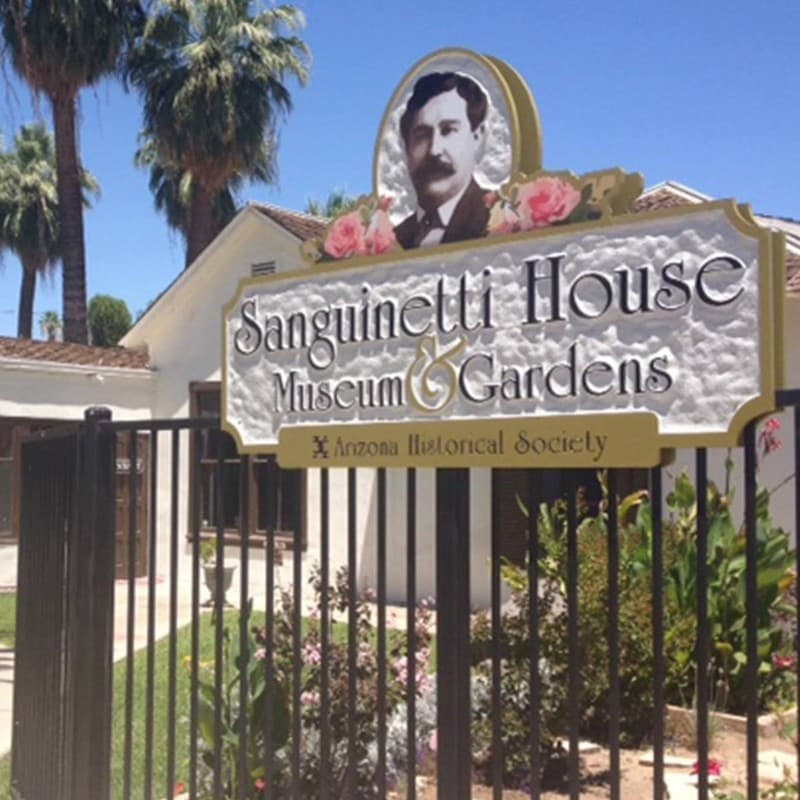
The Sanguinetti House Museum and Gardens is more than a preserved home in downtown Yuma. It is one of the clearest places to see how a desert town turned commerce into civic identity, with the rise of E.F. Sanguinetti tied to the streets, rail lines, and business corridors that shaped the city.
The merchant who gave the house its story
The house takes its name from Eugene Francis Sanguinetti, born May 16, 1867, in Coulterville, California, to Antone Sanguinetti and Rosa Camiccione. Yuma Library records identify him as a prominent Yuma businessman, and Arizona Historical Society materials place his life span at 1867 to 1945. Those details matter because they anchor the museum in a specific family story rather than a vague frontier past.
Sanguinetti arrived in Yuma and lived there with his family beginning in 1890. The house itself dates to the 1870s, and later became associated with the businessman whose success earned him the nickname “Merchant Prince of Yuma.” Arizona Historical Society materials describe his vision and grit as the force behind a string of businesses that spanned multiple ventures, which is exactly why the site belongs in any conversation about how Yuma built wealth.
Why Madison Avenue became the city’s commercial spine
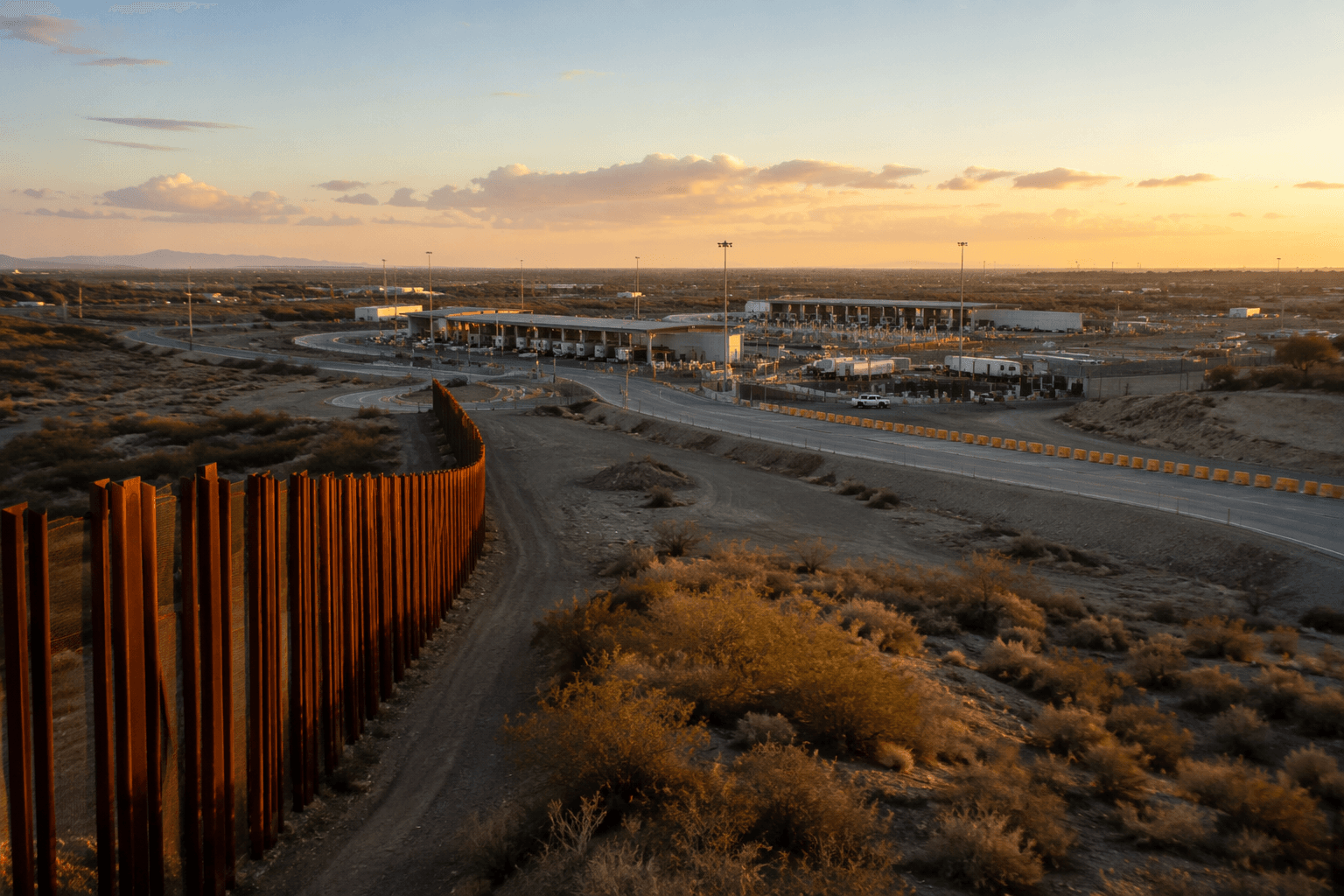
The museum sits at 240 S. Madison Ave., and that address is no accident. Arizona Historical Society planning material says Madison Avenue played a central role in Yuma’s development, and it links that growth to the arrival of the Southern Pacific Railroad in 1877, when the first railroad to Arizona crossed the Colorado River into Yuma down the middle of the street.
That railroad crossing mattered because it turned Madison Avenue into a commercial corridor, not just a neighborhood block. The same planning document says the railroad’s arrival sparked a building boom along Madison Avenue, which helps explain why a merchant like Sanguinetti could thrive there. If you want to understand why downtown Yuma still carries historical weight, this is the place to start: commerce, transport, and building activity all converged on the same strip of land.
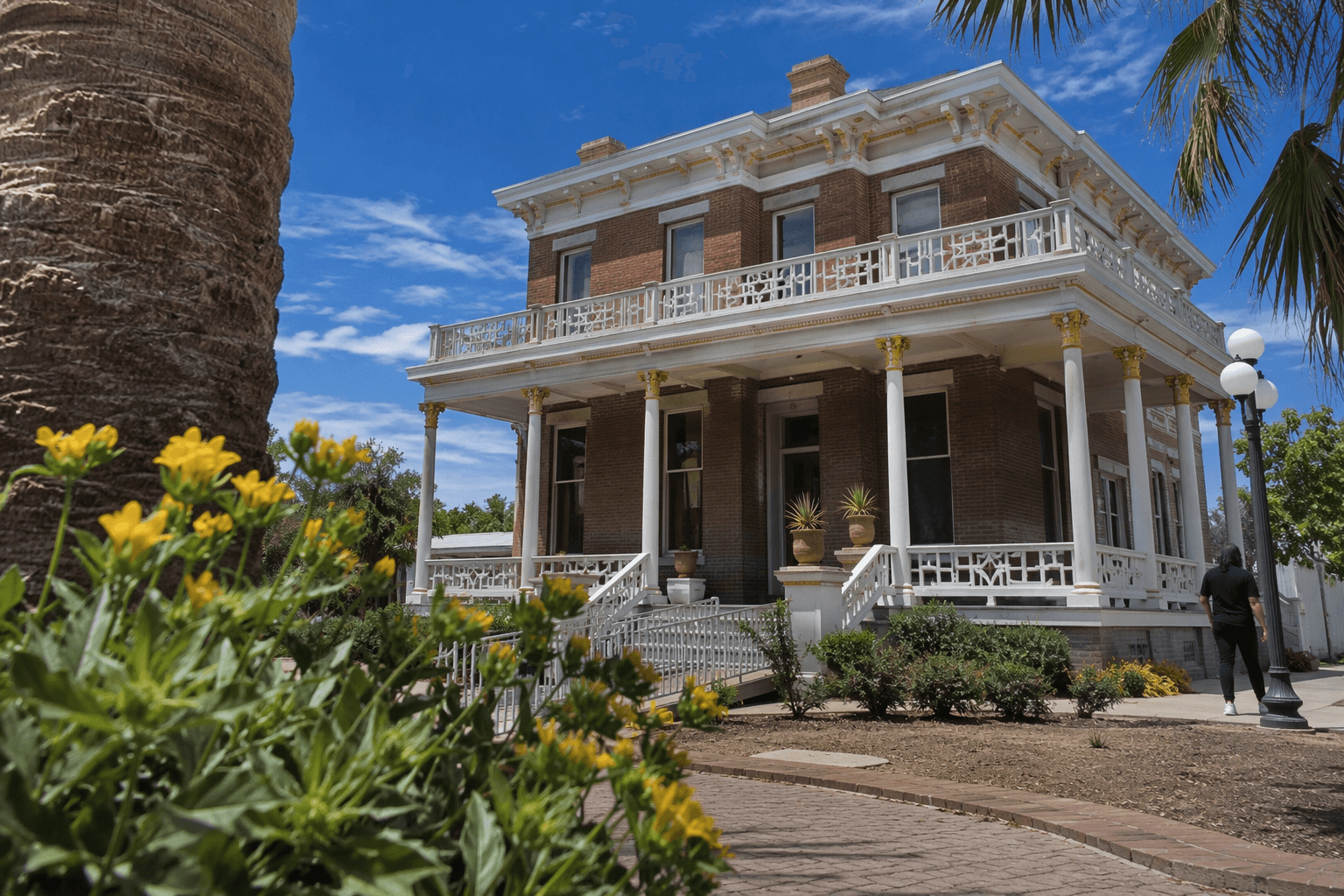
The surrounding historic fabric reinforces that point. Arizona Historical Society planning material also notes the 1870s-era Molina Block as part of the downtown historic landscape, showing that the Sanguinetti House sits inside a larger preserved district rather than as a lone landmark. That context helps residents see preservation as a downtown strategy, not just a museum concern.
What the house tells you about Yuma’s economy
Sanguinetti’s story is useful because it reflects how Yuma’s economy matured. The city depended on people who could move goods, finance enterprise, and connect a remote desert town to broader markets, and the merchant class made that possible. The house preserves the domestic setting of that success, showing how business leadership translated into a visible place in the city’s built environment.
That matters now because downtown identity still competes with newer commercial centers. A property like the Sanguinetti House shows that Yuma’s historic core was built by trade, transportation, and family enterprise, not just by government offices or military history. For anyone weighing where heritage dollars should go, that is a practical lesson: preserving merchant-era sites preserves the story of how the modern city took shape.
The gardens are part of the historical argument
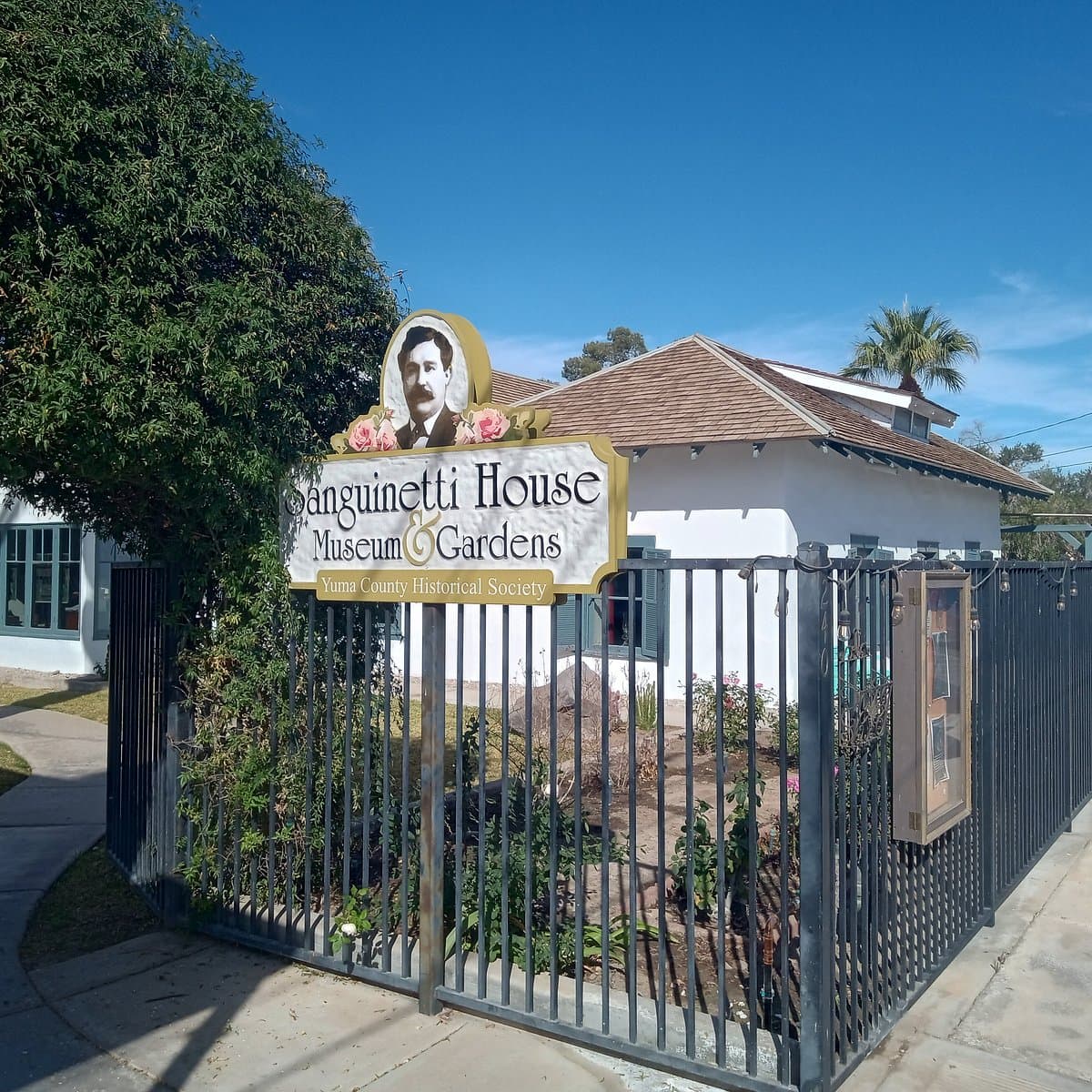
The site is not only a house museum. A Facebook post describing the grounds says the gardens were once part of E.F. Sanguinetti’s historic estate and served as both a community space and a quiet sanctuary from the bustle of the growing town. That makes the landscape part of the interpretation, not just decoration around the building.
The gardens also help explain how elite homes functioned in the desert Southwest. They offered shade, gathering space, and a controlled environment that contrasted with the heat and dust of downtown Yuma. Tourism listings and event pages show the property used for gatherings and special events, which keeps the site active in public life and makes the grounds part of the visitor experience.
How to visit and what to expect
The museum is located at 240 S. Madison Ave., Yuma, AZ 85364. Visit Yuma and Yuma Historical Society listings place the property among downtown’s historic attractions, and Arizona Historical Society programming identifies it as a site for guided tours and educational programs.
- Guided tours, with walking tour listings requiring advance ticket purchases
- A Historic Yuma walking tour stop with a 10:30 a.m. to noon time window
- Candlelight tours on First Friday from 6 p.m. to 8 p.m., with tours every 30 minutes
- Public listings showing hours from Friday through Sunday, 10:00 a.m. to 3:00 p.m., with the museum closed Monday through Thursday
Practical visitor details have included:
Those details matter because they show the museum is not a static display. It remains part of downtown Yuma’s active heritage economy, drawing visitors into the historic core and pushing spending toward nearby shops, restaurants, and other downtown stops.
Why this site still shapes Yuma’s future
The Sanguinetti House is useful to residents because it links preservation choices to economic choices. It shows how a railroad corridor became a merchant corridor, how a family home became a museum, and how a preserved property can still support downtown identity and tourism traffic. In a city where growth and heritage often have to share the same block, that is not just history. It is a working model for how Yuma explains itself to the people who live here and the visitors who keep coming back.
This article was produced by Prism’s automated news system from verified source data, official records, and press releases, then run through automated quality and moderation checks before publishing. The system is built and supervised by the people who set the standards it runs under. Read our full AI policy.
Did this article answer your question?