Warm Spring Temperatures Drive Rattlesnake Activity Surge Across Yuma County
Arizona's 13 rattlesnake species are emerging weeks early as warming temps push snakes out of hibernation, prompting a Yuma County safety advisory.

Unseasonably warm temperatures have pushed rattlesnakes out of winter hibernation ahead of their typical March-to-October active season, prompting the Arizona Game and Fish Department to issue a statewide advisory and local public-safety officials to urge Yuma County residents to take extra precautions this spring.
The department's Feb. 27 statement warned that while rattlesnakes are most active in desert areas from March through October, they "may appear earlier in the year as warming temperatures bring them out of winter hibernation." The advisory coincides with a stretch of record-threatening heat: Phoenix topped out above 90 degrees over the weekend, the kind of conditions that accelerate snake movement across the Sonoran Desert communities that Yuma County residents know well.
Audrey Owens, the amphibians and reptiles program manager for the Arizona Game and Fish Department, offered direct guidance on what to do during a trail encounter. "If you see a rattlesnake on a trail, it may rattle its tail and coil because it is startled. These are defensive behaviors used to let you know it's there. The best advice is to step back and let it move away. Rattlesnakes are not aggressive; most occurrences of rattlesnake bites occur when someone is trying to corner or capture a snake. If you leave it alone, it will leave you alone," Owens said.
Time of day matters for anyone heading outside in the coming weeks. In spring, rattlesnakes are commonly active during daylight hours. As temperatures climb higher into summer, that pattern shifts and snakes tend to move around more at night, according to the department's statement.
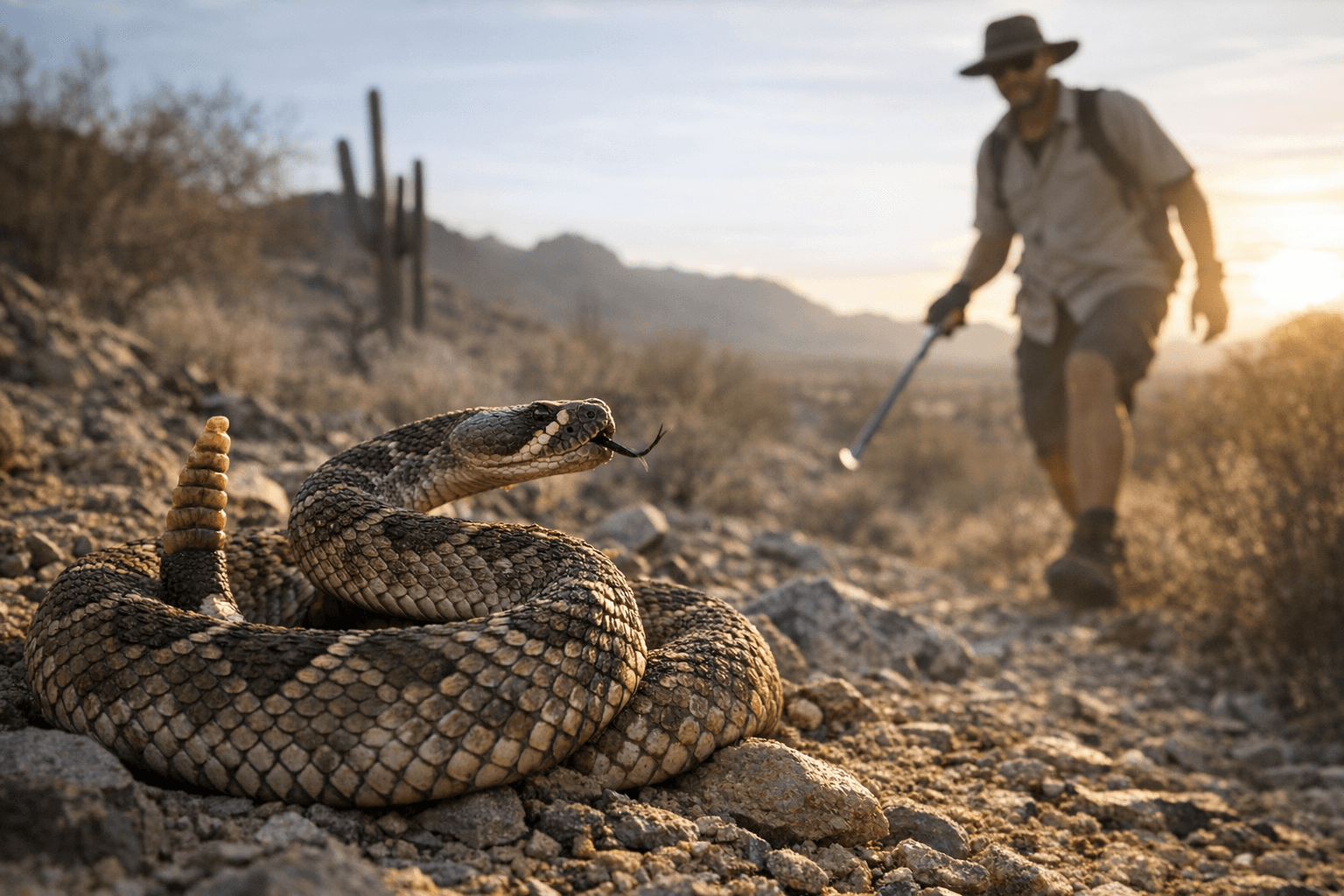
Arizona is home to 13 rattlesnake species, and encounters are not limited to backcountry trails. The department notes that snakes occasionally appear in and around homes, particularly between March and October. In Yuma County, where desert terrain borders residential neighborhoods, that proximity is a routine reality. The most commonly encountered species across the state include the Western diamondback, sidewinder, Mojave, and black-tailed rattlesnake, all of which are found in the region's landscape.
The department has published safety guidance covering what to do if a bite occurs, though anyone who sustains a rattlesnake bite should seek emergency medical attention immediately. Full guidance from AZGFD is available through the department's official channels.
This article was produced by Prism’s automated news system from verified source data, official records, and press releases, then run through automated quality and moderation checks before publishing. The system is built and supervised by the people who set the standards it runs under. Read our full AI policy.
Did this article answer your question?