Whitten calls for Yuma County meeting on biosolids land impacts
Danielle Whitten is pressing for a joint meeting on biosolids on state trust land as Yuma County weighs lease termination and residents deal with flies, odors and land-use pressure.
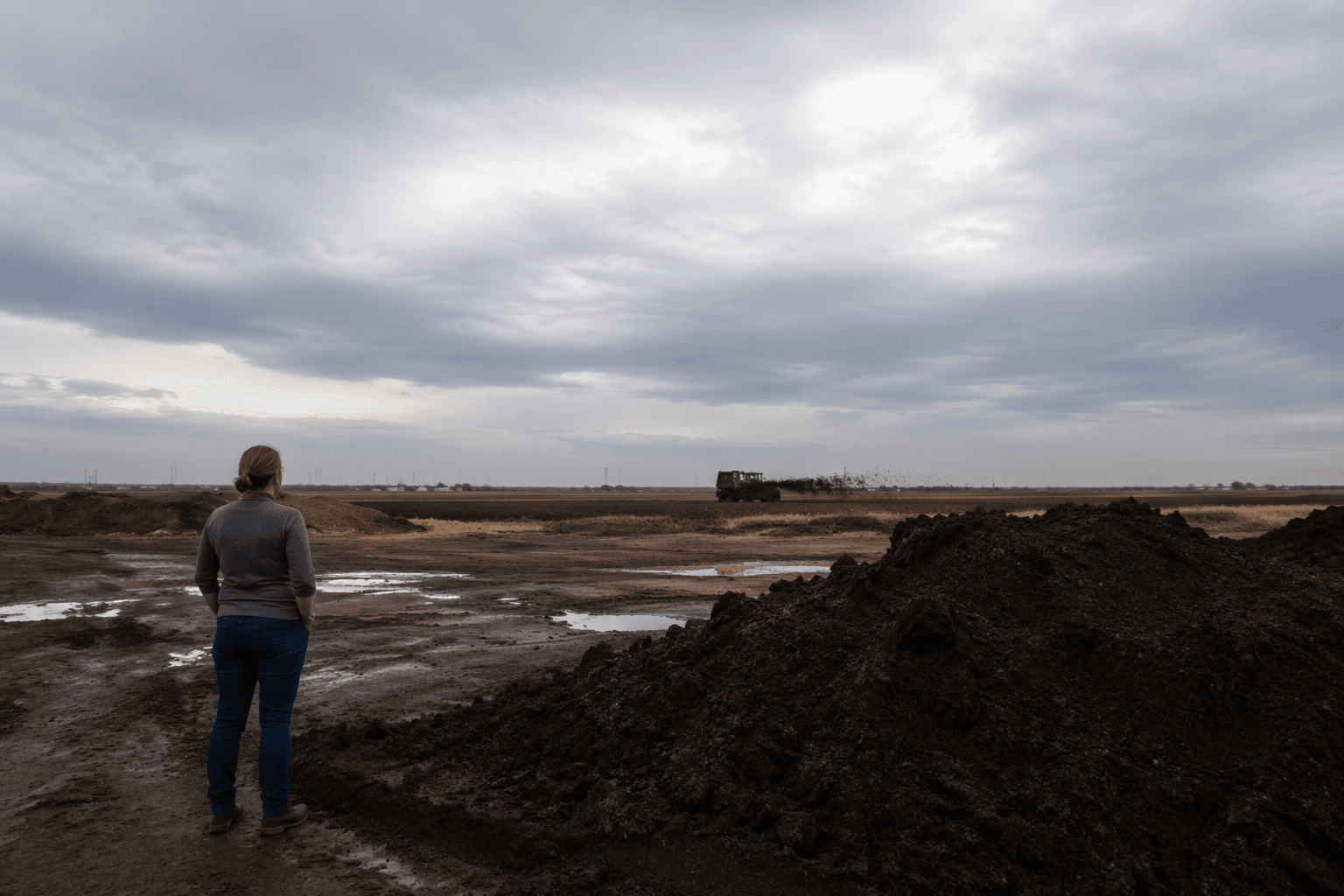
Yuma County’s biosolids fight has moved beyond a state-land lease and into the daily lives of people who live, farm and do business nearby. Danielle Whitten is calling on elected officials, including Rep. Andy Biggs, to schedule a joint meeting and work session on Arizona State Land impacts in Yuma County, using the hashtag #YumaIsNotAToilet to frame a dispute that local leaders say has already affected residents, agriculture and businesses.
The county escalated the issue in December 2025, when it sent a letter to the Arizona State Land Department asking that AG Tech LLC’s lease be terminated. By April 2, 2026, county officials were saying the company’s operations were hurting the local economy and nearby neighborhoods. A day later, county leaders said the biosolids issue would come back before supervisors at their next meeting on Monday, April 6, 2026.
At the center of the dispute is state trust land, which is not public land and generally requires a recreational use permit for access. That distinction matters in Yuma County, where land use is already tightly contested by housing needs, agriculture, and military compatibility concerns near Marine Corps Air Station Yuma. The county and city are also working through a Joint Land Use Plan process that includes Yuma County, the City of Yuma, the City of Somerton and MCAS Yuma. A community questionnaire tied to that effort was built around 39 items focused on compatibility between Marine Corps training and local land-use planning.
The biosolids fight also has a legislative angle. Arizona Senate Bill 1212 would require the state land commissioner not to prohibit fertilizers, biosolids or soil amendments as a condition of renewing a state land lease unless the Arizona Department of Environmental Quality had found a violation of the applicable statutes and rules. For Yuma County, that puts local concerns over odors, flies and land impacts in direct tension with state policy on how trust land can be used.
Whitten’s call for a joint meeting now puts elected officials on notice that residents are watching for a response that goes beyond process. The question in Yuma County is whether state and local leaders can address a land-use problem that people can see and smell, while still protecting the county’s agriculture, growth and access to the land around it.
This article was produced by Prism’s automated news system from verified source data, official records, and press releases, then run through automated quality and moderation checks before publishing. The system is built and supervised by the people who set the standards it runs under. Read our full AI policy.
Did this article answer your question?