Yuma activist questions use of Turquoise Alert for missing people
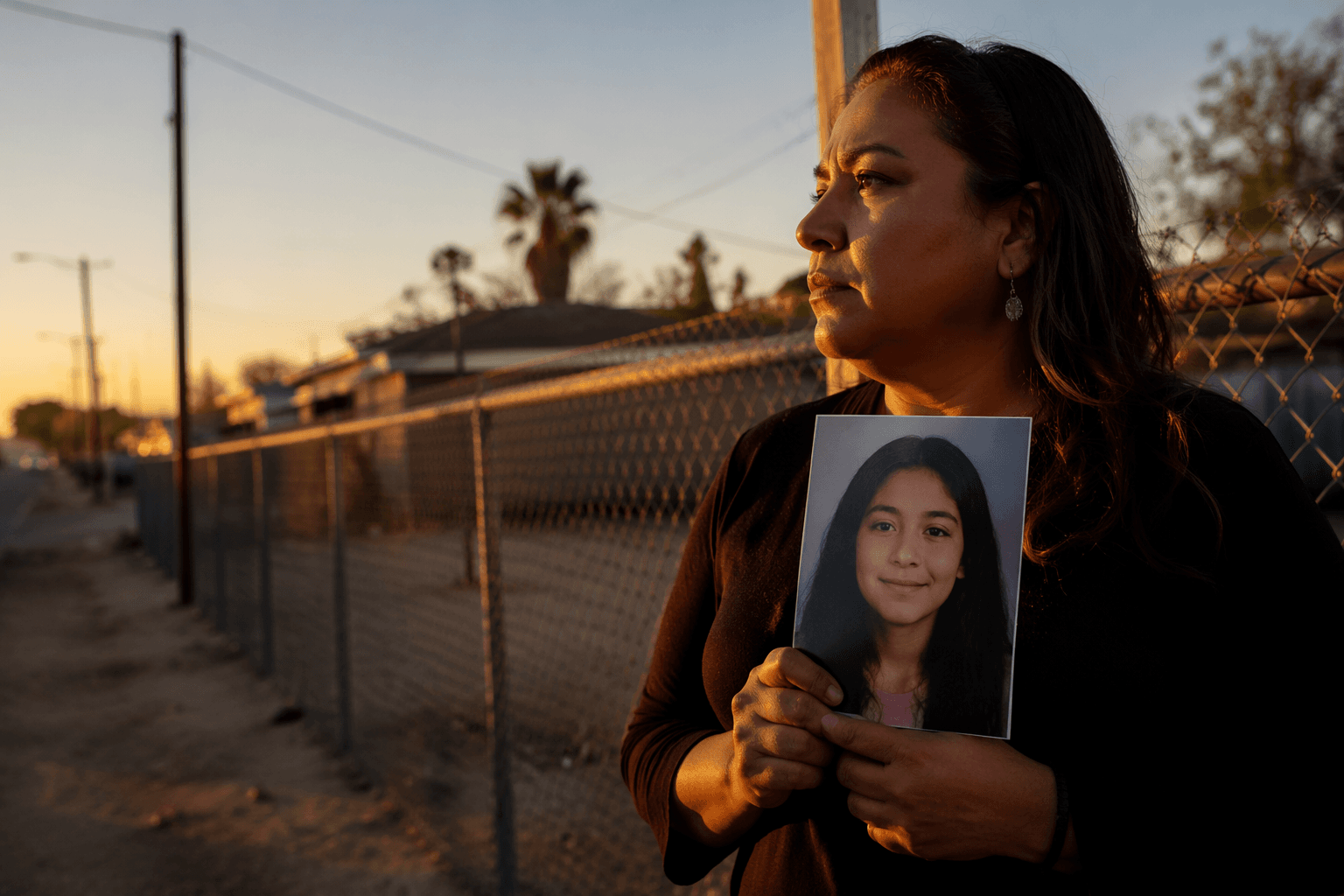
Yuma activist Roxanne Barley says families may be expecting a Turquoise Alert that the system does not always deliver. The gap, she says, can leave missing-person cases without the urgency loved ones assumed they would get.

A Yuma-area activist is pressing state officials to examine whether Arizona’s Turquoise Alert is being used as often as families think it should be. Roxanne Barley says the concern is not whether the system exists, but whether it is being activated consistently when a missing person appears to meet the rules.
The Turquoise Alert, also known as Emily’s Law, was launched statewide by the Arizona Department of Public Safety on July 10, 2025. The system is meant for missing and endangered people under 65, including tribal members, and is designed as a quick-response notification tool when a person is believed to be in danger.
Under the law, a Turquoise Alert can be requested when the missing person is under 65, is not considered a runaway, and is believed to face immediate danger. The statute also says the department should request activation of the Emergency Alert System when there is no known vehicle information or the person is known to be at risk, and when an authorized law-enforcement requester believes the person may be in danger. The definition of “person” includes a member of a federally recognized Indian tribe.
Barley’s criticism goes to the gap between those written rules and the expectations of families in Yuma County and beyond. She says people who have lost loved ones and never saw a Turquoise Alert issued in their case know the pain, frustration and hurt that can follow when they believe the criteria were met but the notification never came. That concern has added weight in a region where tribal, rural and border-area dynamics can complicate the first hours of a missing-person search.
State officials say the alert is meant to mobilize a fast response. Arizona issued its first Turquoise Alert on July 23, 2025, and that alert helped locate a 6-year-old girl from Hawaii in Cottonwood later that same night. Arizona DPS says the system can be spread through 108 ADOT message boards across the Valley and 193 statewide.
Still, the debate over how often the alert is used has not gone away. Arizona Luminaria reported in October 2025 that the Turquoise Alert had been used only once in its first months, even as hundreds of children and several adults were reported missing in Arizona during that period. For advocates focused on missing and murdered Indigenous women and girls, including community vigils in Yuma for Challistia Colelay and Emily Pike, the issue is not just the alert itself, but whether families can trust it will be there when a case turns urgent.
This article was produced by Prism’s automated news system from verified source data, official records, and press releases, then run through automated quality and moderation checks before publishing. The system is built and supervised by the people who set the standards it runs under. Read our full AI policy.
Did this article answer your question?