Yuma Community Marches 8th to 16th in Solidarity Against ICE
Yuma residents marched from Eighth Street to 16th Street in protest of ICE tactics, highlighting local concerns about enforcement and community treatment.
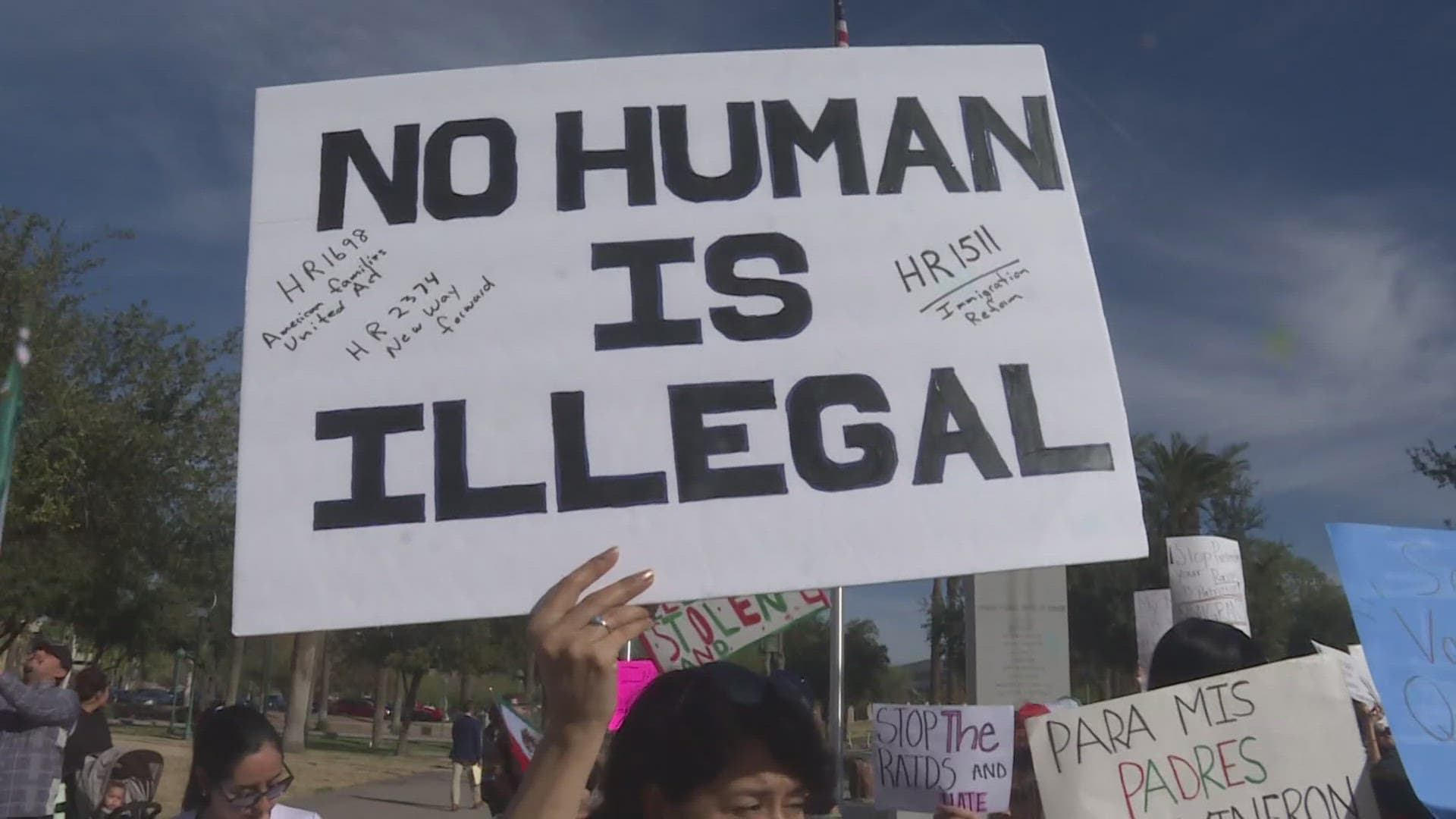
Community members gathered for a peaceful protest that moved from Eighth Street to 16th Street on Jan. 17, 2026, drawing attention to federal immigration enforcement practices and their effects on Yuma families. The march lasted until noon and was framed by participants as a show of local solidarity against what they described as dehumanizing tactics by Immigration and Customs Enforcement agents.
Organizers and protesters emphasized unity as a central message of the demonstration. Protester Roxanne Barley said participants were standing "in unity" and "in solidarity to show that we are against the tactics and dehumanization of ICE agents." The language used on signs and in chants focused on dignity, family safety, and the need for humane enforcement approaches in a border community where federal actions have direct social and economic consequences.
The march followed a route through core downtown blocks, a symbolic corridor that links neighborhoods, businesses, and public institutions. For many residents, the visible public action underscored enduring concerns about how federal enforcement plays out at the local level. Yuma County is part of a border region where ICE operations intersect with cross-border commerce, migrant support services, and local law enforcement practices, raising policy questions about oversight, accountability, and community trust.
The demonstration adds to ongoing civic engagement around immigration policy and public safety. Local elected officials and law enforcement leaders operate within a complex web of federal and local authority. While federal agencies set enforcement priorities, county and municipal bodies control local cooperation policies, detention-holder contracts, and community policing practices. The protest signals that a segment of Yuma voters wants clearer public answers about how those relationships affect residents and what protections exist for families and due process.
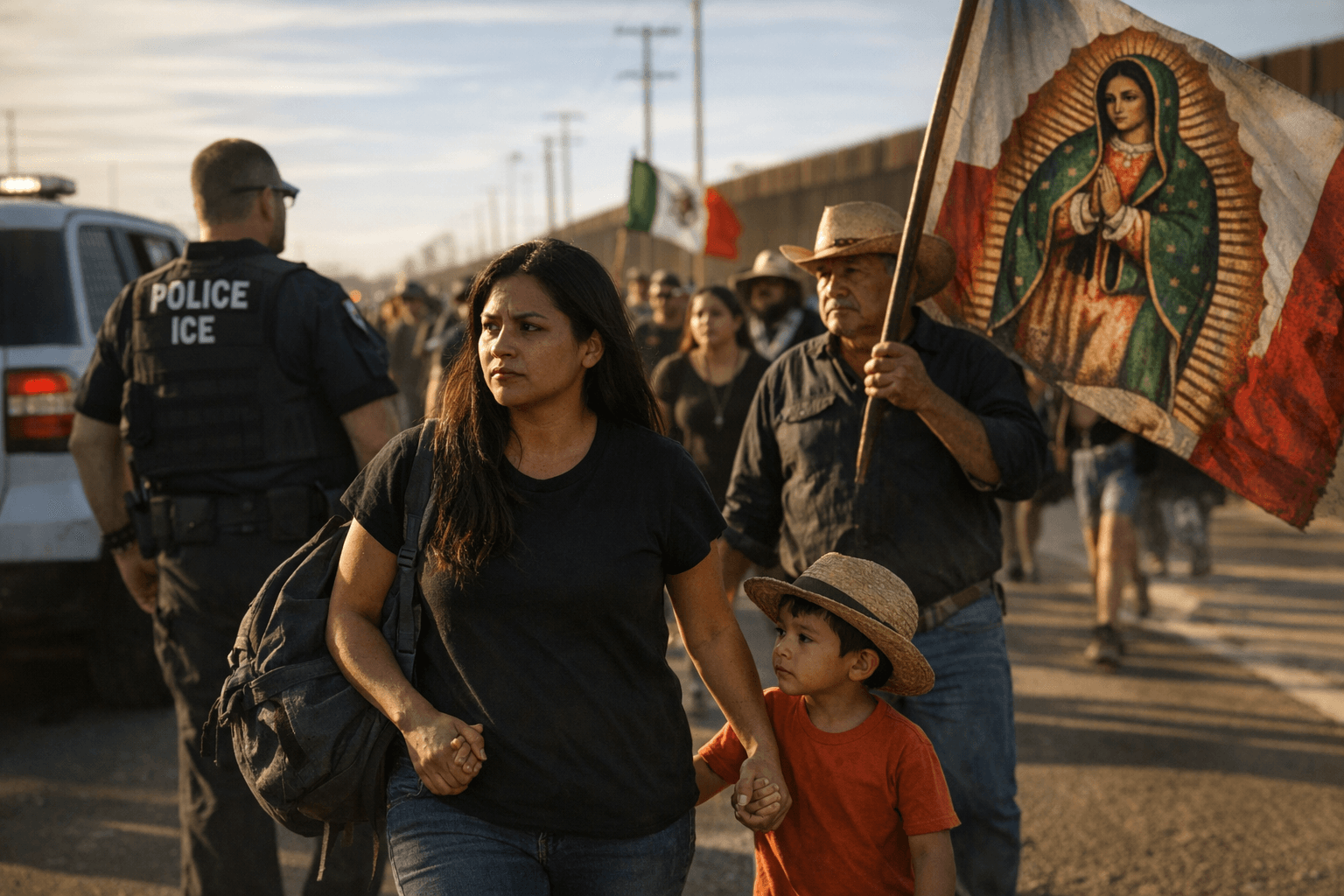
For residents, the event offers both a snapshot of local sentiment and a prompt for civic action. Public meetings of the county board of supervisors and city council are standard venues for raising concerns, seeking transparency, and pressing for local policy changes that limit or condition cooperation with federal enforcement. Community groups may also pursue nonbinding resolutions, legal reviews, or expanded social services to reduce harm and improve oversight.
The march from Eighth to 16th demonstrated local solidarity and kept immigration enforcement on the county agenda. As Yuma continues to navigate federal-local dynamics, residents can expect the intersection of community advocacy and institutional decision-making to remain central to debates about safety, rights, and governance.
This article was produced by Prism’s automated news system from verified source data, official records, and press releases, then run through automated quality and moderation checks before publishing. The system is built and supervised by the people who set the standards it runs under. Read our full AI policy.
Did this article answer your question?