Yuma County advances federal grants for housing and infrastructure projects
Yuma County moved federal grant projects toward streets, water lines and housing repairs, the kind of spending residents see block by block.
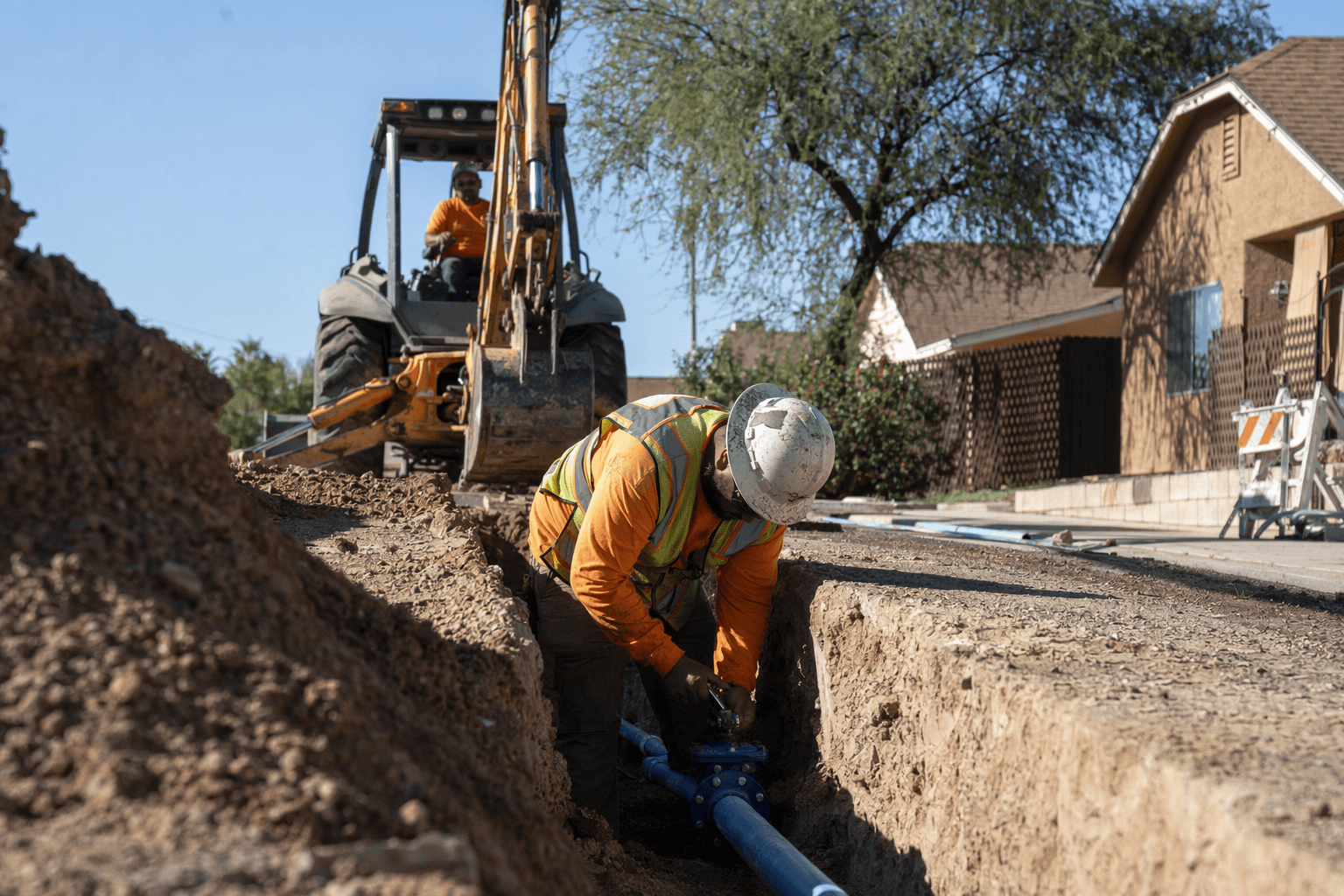
Federal housing and infrastructure dollars moved deeper into Yuma County’s pipeline as the Board of Supervisors advanced several Community Development Block Grant projects tied to streets, water service, housing repairs and public facilities. The work followed an April 20 public hearing and could shape what residents see next in the form of construction, rehabilitation and utility upgrades.
The county says the CDBG program is funded by the U.S. Department of Housing and Urban Development and authorized under Title I of the Housing and Community Development Act of 1974. In Yuma County, the money flows through the Arizona Department of Housing to the Western Arizona Council of Governments, which serves low-income households in La Paz, Mohave and Yuma counties.
That funding stream matters because CDBG money is not broad-purpose aid. Yuma County says eligible projects must fit one of three federal tests: they must benefit at least 51% low- and moderate-income residents, eliminate slum or blight, or address an urgent need. That rule helps determine which neighborhoods and facilities get attention first, and why some projects can move ahead while others wait.
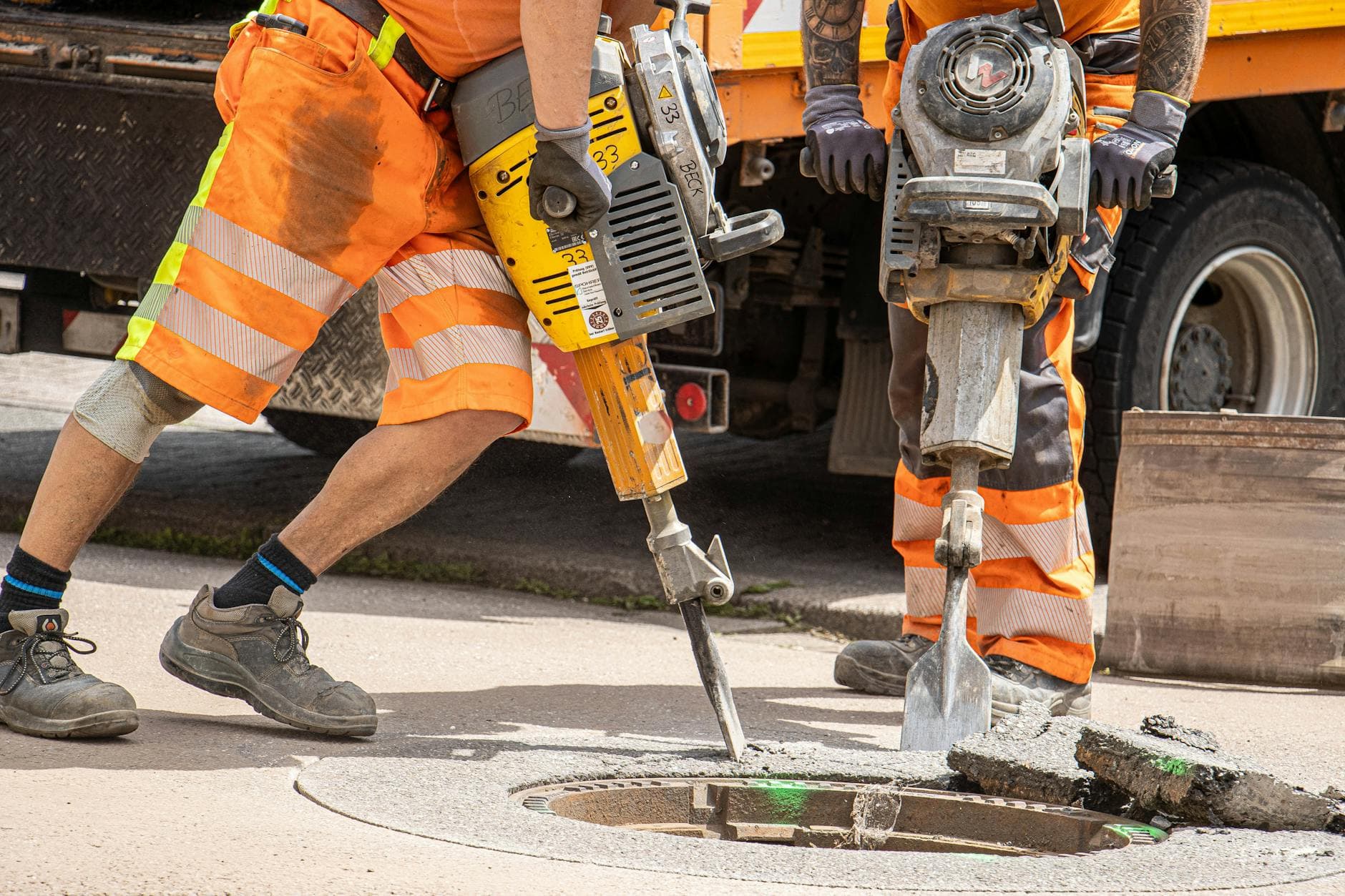
The county’s grants division says the program can support street, water and wastewater improvements, housing rehabilitation, land acquisition for new housing, and construction or improvement of public facilities such as libraries, health clinics, shelters for domestic violence victims and homeless shelters. For neighborhoods, that usually translates into visible changes such as repaved roads, repaired water lines, upgraded sewer service, stabilized homes or improved buildings that residents rely on for care and emergency support.
The latest grant action also fits into a broader local housing push. The City of Yuma has been gathering input for its 2026 to 2030 Consolidated Plan, which identifies housing, neighborhood and community needs and sets priorities for federal funds. City leaders also adopted an Affordable Housing Action Plan in September 2025 to preserve existing affordable homes and create new housing opportunities.
Yuma County’s own board calendar shows more meetings ahead in 2026, including May 4 and May 18, which signals the grant approvals are part of an ongoing budget-and-project process rather than a one-time vote. The result is a regional investment track that will be measured less by paperwork than by what shows up on the ground in Yuma County’s streets, homes and public buildings.
This article was produced by Prism’s automated news system from verified source data, official records, and press releases, then run through automated quality and moderation checks before publishing. The system is built and supervised by the people who set the standards it runs under. Read our full AI policy.
Did this article answer your question?