Yuma County family turns long-idle pasture into flower farm, agritourism venture
A 30-year-old Yuma County pasture now holds sunflowers, cosmos and zinnias, and the family behind it is building income from flowers, photos and seed work.
From pasture to petals
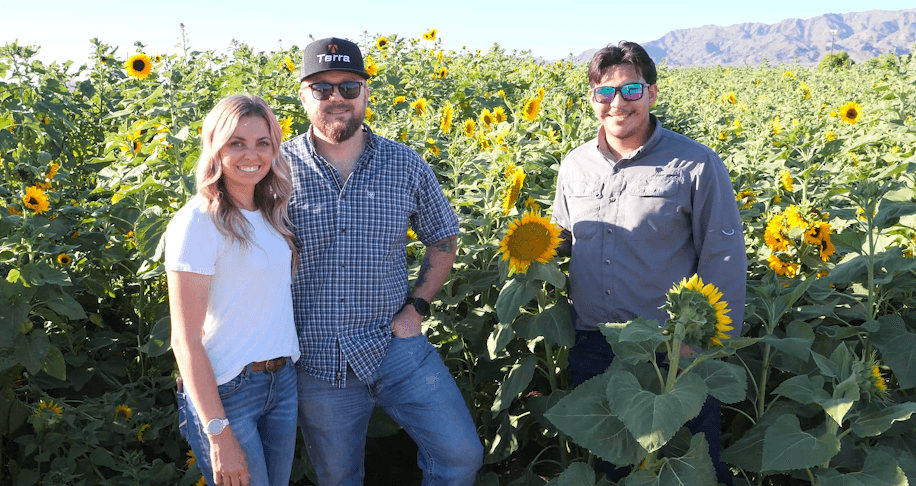
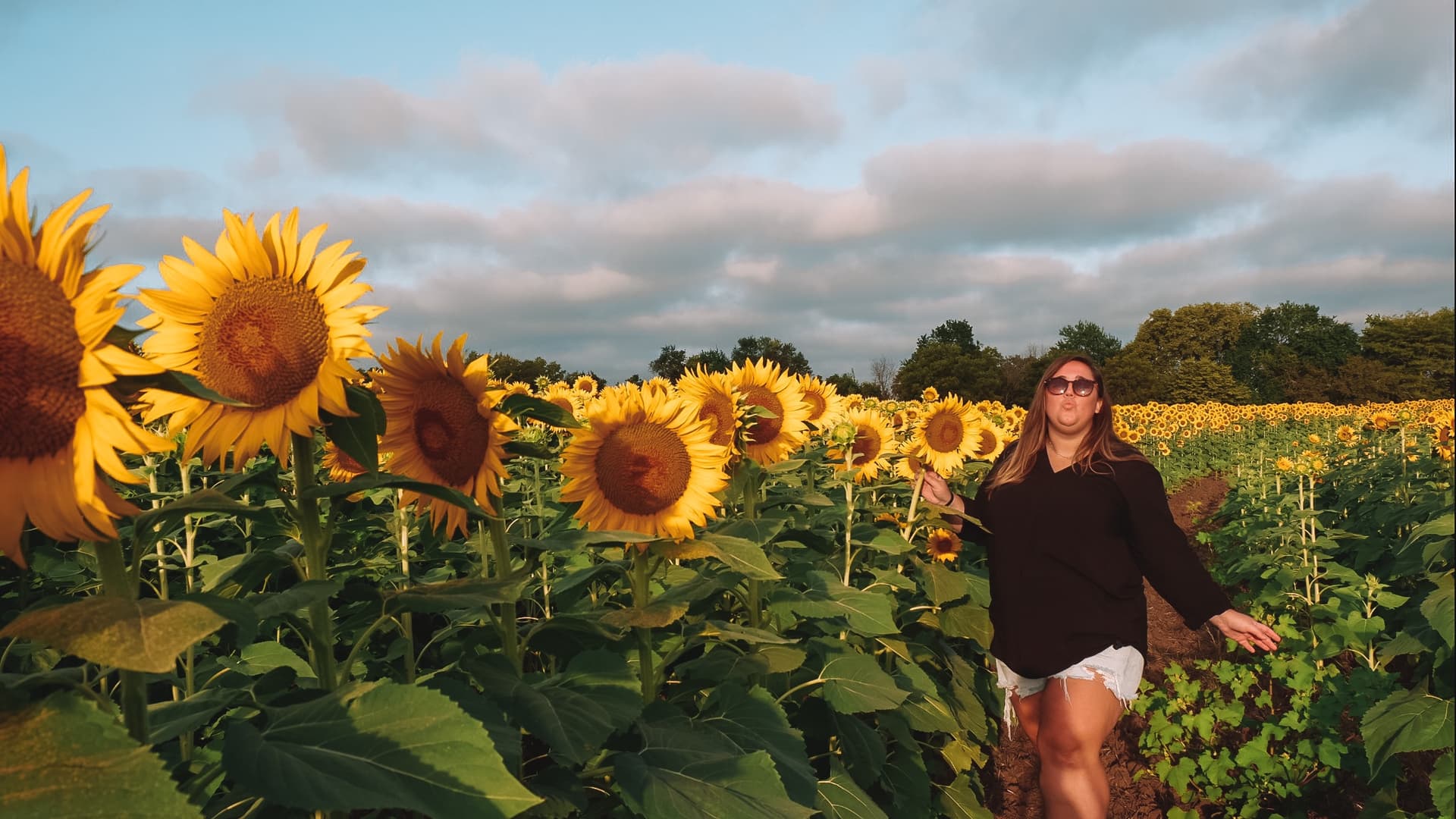
The first thing you notice at 3A Farms is the color. What was once a 30-year-old pasture now runs in bright rows of sunflowers, cosmos and zinnias, turning an idle stretch of Yuma County land into a working flower field with a clear business purpose. The transformation gives the site a visual appeal that is easy to photograph, but its bigger value is economic: it is designed to earn money in more than one way.
For Skylar Kammann-Pruit, the project is also a family statement. She traces her agricultural roots through five generations in Yuma County, beginning with a pecan grove started by her great-great-grandfather, and the flower venture fits into that long line of local farming rather than replacing it. That mix of legacy and experimentation is what makes 3A Farms, and its flower arm 3A Flowers, feel like a new chapter instead of a departure.
A farm built to earn in several directions
The business is a partnership among Kammann-Pruit, her husband, Buck Pruit, and Francisco Kiko Aguirre. Their backgrounds in production agriculture give the operation a practical base, not just a scenic one, and Buck Pruit has said the group’s future potential is wide open because each partner brings years of ag experience to the table. The farm’s public social media presence also casts the venture as three college friends growing flowers in Yuma, a brand image that matches the operation’s informal, entrepreneurial feel.
That experience shows in the way the farm is structured. It is not limited to cut flowers for display, but instead uses the field as a multi-revenue business. Visitors can rent the space for photography, customers can order fresh-cut and dried floral arrangements online, and the team is also involved in seed production and crop trials.
Francisco Kiko Aguirre’s work underscores how specialized the operation has become. He has described artichoke seed harvesting as highly technical, which is a reminder that this is not just a decorative attraction for social media posts or weekend outings. It is an agricultural enterprise with production decisions, labor demands and market channels that reach well beyond the flower rows.
Why the model matters in Yuma County
The shift from pasture to flowers lands in a county that already understands how to turn agriculture into a major economic engine. A University of Arizona study found that in 2022, Yuma County agriculture and agribusiness contributed $3.9 billion to the county economy and $4.4 billion to Arizona’s economy. Another University of Arizona report found that Yuma County accounted for about 29% of Arizona’s agricultural cash receipts that year.
That scale helps explain why new models matter here. University of Arizona Cooperative Extension says roughly 180,000 acres are used for agriculture in Yuma County, and more than 175 crop types are commercially grown in the region. In a county that already produces on that kind of breadth, a flower-and-experience business fits into a larger pattern of diversification rather than standing apart from it.
The area’s research and industry network reinforces that point. The Yuma Center of Excellence for Desert Agriculture is a public-private partnership focused on improving desert crop production systems and economics, reflecting a regional culture that treats innovation as part of everyday farming. Against that backdrop, 3A Farms looks less like a novelty and more like a local example of how family agriculture keeps adjusting to stay viable.
A local link to the next generation of farmers
Buck Pruit’s role as an agriculture teacher at Gila Ridge High School gives the story another layer. His day job connects the farm to students who are learning through the school’s agriscience and FFA pathway, which makes the operation part of a broader pipeline from classroom to field. It also gives the venture a built-in community connection, especially in a county where agricultural knowledge still passes through both family ties and formal education.
That educational link matters because the farm’s business model is built on adaptability. A field that can host photographers one day, floral customers the next and crop trials after that shows students and neighbors a version of farming that is not locked into a single commodity or season. It is a practical lesson in how land can carry both heritage and reinvention at the same time.
What 3A Farms signals for the county
The most important thing about the pasture-to-flowers shift is not that it is pretty, but that it is flexible. 3A Farms turns one piece of land into a place where agritourism, retail sales, specialty production and family branding all overlap. In an agricultural economy as large and varied as Yuma County’s, that kind of layering is exactly what makes new ventures worth watching.
It also suggests that the county’s next growth story may not come only from bigger acreage or one dominant crop. It may come from farms that use their land more visibly, sell experiences as well as harvests, and create extra revenue without abandoning their agricultural identity. In Yuma County, that is not a break from tradition. It is the latest way tradition is staying in business.
This article was produced by Prism’s automated news system from verified source data, official records, and press releases, then run through automated quality and moderation checks before publishing. The system is built and supervised by the people who set the standards it runs under. Read our full AI policy.
Did this article answer your question?