Yuma County homeowners warned brown dog ticks can live indoors
Brown dog ticks are turning up in Yuma County homes, where they can survive indoors and spread Rocky Mountain spotted fever to dogs and people.
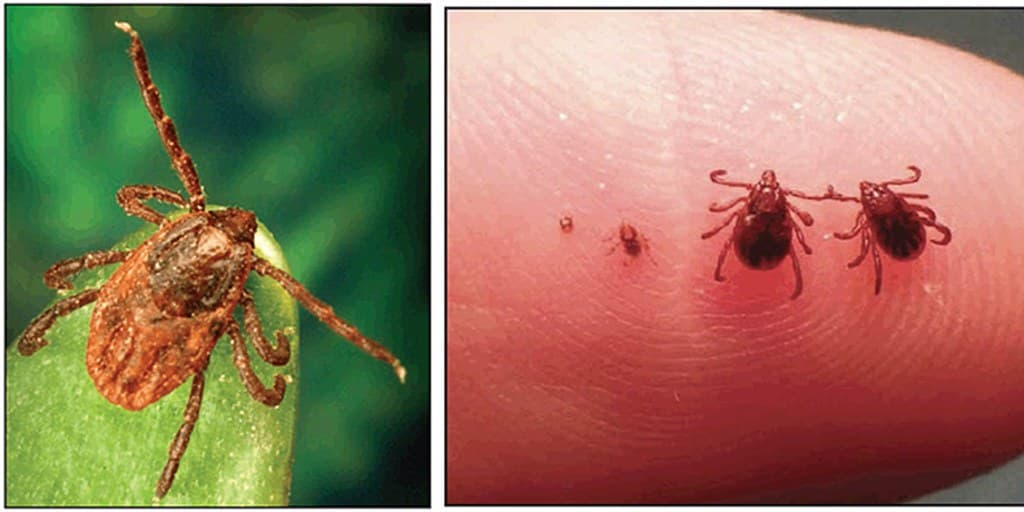
Brown dog ticks are showing up in Yuma County and can live their entire lives indoors, turning kennels, homes and even cracks and crevices into places where the pests can persist.
University of Arizona Cooperative Extension says brown dog ticks have been documented in Yuma County and across much of Arizona, and that they can survive cold winters by staying inside. KYMA reported that the ticks are commonly found in Arizona, a warning that matters for families who assume the risk stays outside in brush or open desert.
The timing lines up with the hotter months ahead. The Centers for Disease Control and Prevention says tick exposure can happen year-round, but ticks are most active from April through September. Arizona Department of Health Services says tick activity in Arizona is primarily March through October, though it can occur any time of year. The National Pest Management Association also says tick activity rises as summer approaches.

For Yuma County households, the practical advice is immediate. University of Arizona Cooperative Extension says people in Arizona and Sonora should consider treating outdoor areas around the home for ticks from spring through fall, and it recommends checking the whole family, including pets, daily during the warmer months. That is especially important when dogs spend time in yards, around kennels or near entryways where ticks can move indoors.
The health concern is not just the bite itself. Arizona health guidance says brown dog ticks are a major concern because they can transmit Rocky Mountain spotted fever, and state guidance says the disease’s emergence in Arizona in 2003 was associated with the brown dog tick. The Arizona Department of Health Services notes that the species prefers to live on dogs and in and around homes.
That broader warning carries added weight in Arizona tribal communities, where the CDC says more than 580 Rocky Mountain spotted fever cases and 28 deaths were reported between 2002 and 2024, and half of the deaths were children. In Yuma County, where heat and pest control already shape daily routines, the message is clear: check pets, inspect living spaces, and treat the areas around the home before a single tick becomes a household problem.
This article was produced by Prism’s automated news system from verified source data, official records, and press releases, then run through automated quality and moderation checks before publishing. The system is built and supervised by the people who set the standards it runs under. Read our full AI policy.
Know something we missed? Have a correction or additional information?
Submit a Tip